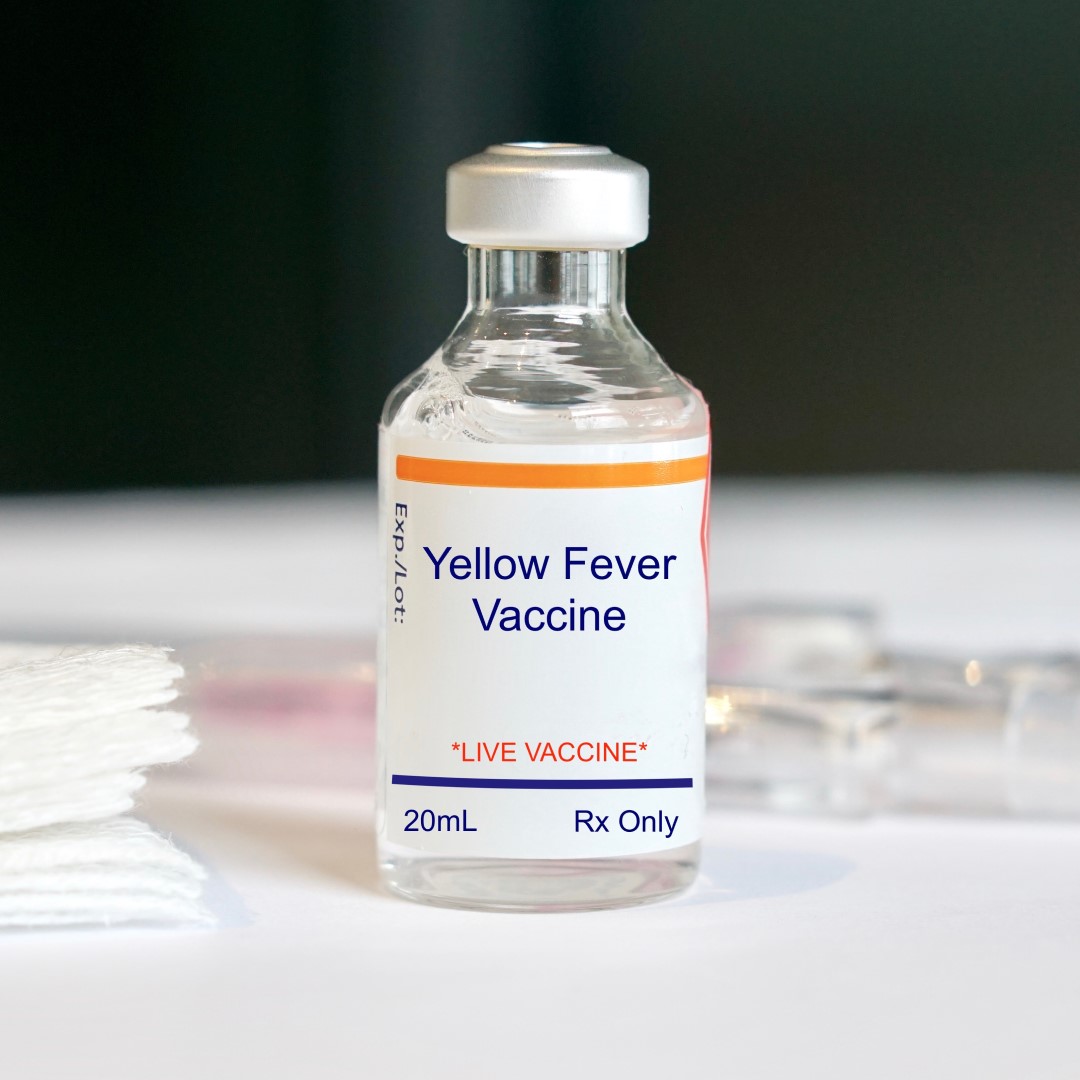
Booster dose of yellow fever vaccine not needed, according to WHO
On May 17, 2013, the World Health Organization (WHO) announced that the yellow fever ‘booster’ vaccination given ten years after the initial vaccination was not necessary. The WHO’s Strategic Advisory Group of Experts on immunization (SAGE) reviewed the latest evidence and concluded that a single dose of vaccination was sufficient to confer life-long immunity against yellow fever disease.
Since yellow fever vaccination began in the 1930s, only 12 known cases of yellow fever post-vaccination have been identified, after 600 million doses have been dispensed. Evidence showed that among this small number of “vaccine failures”, all cases developed the disease within five years of vaccination. This demonstrates that immunity does not decrease with time.
Yellow fever is an acute viral haemorrhagic disease transmitted by infected mosquitoes that is endemic to 44 countries in tropical areas of Africa and the Americas. Infection with the yellow fever virus causes varying degrees of disease, from mild symptoms to severe illness with bleeding and jaundice and fatal outcomes.
There are an estimated 200 000 cases of yellow fever worldwide each year. About 15% of people infected with yellow fever progress to a severe form of the illness, and up to half of those will die, as there is no cure for yellow fever. The treatment is aimed simply at reducing patients’ discomfort.
The vast majority of reported cases and deaths occur in sub-Saharan Africa. In endemic regions of Africa, yellow fever natural immunity is acquired with age, putting children at highest risk of infection. Over the past two decades, the number of yellow fever cases worldwide has increased due to declining population immunity to infection, deforestation, urbanization, population movements and climate change.
Tags:
Source: World Health Organization
Credit: