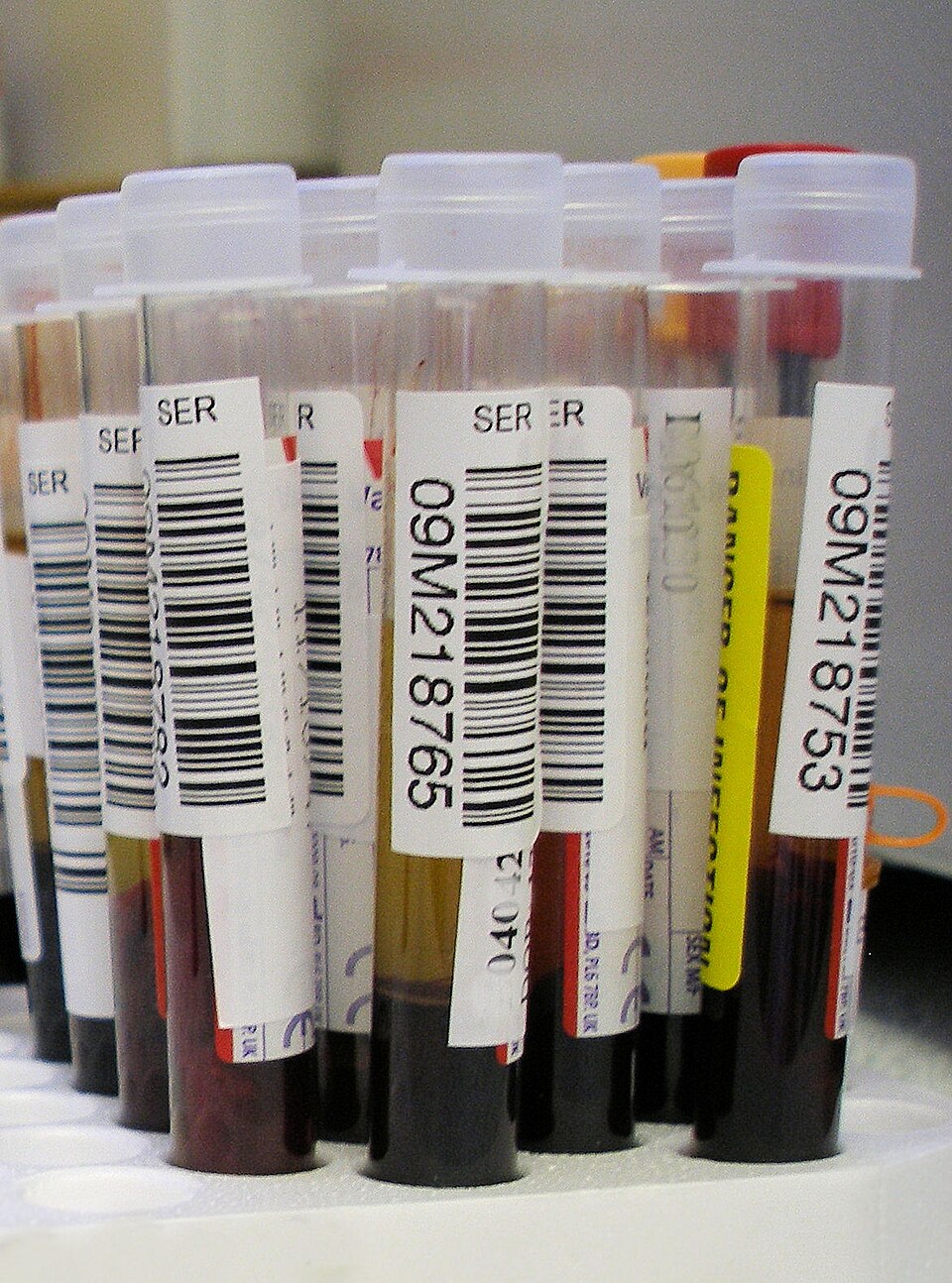
Blood-Based Test Can Predict Risk of Developing Symptoms of Alzheimer’s Up to a Decade Early
On Jul. 15, 2026, an international study involving researchers across three continents and led by experts from the Mass General Brigham Neuroscience Institute report a blood test for the biomarker phosphorylated tau 217 (p-tau217) recently received federal clearance, but questions have emerged around the extent to which such tests can accurately predict whether a cognitively healthy individual will go on to develop cognitive impairment—a key symptom of Alzheimer’s disease.
The study found that cognitively unimpaired individuals with very high levels of the biomarker had a 38% absolute risk of developing cognitive impairment over the next five years — and higher risk over the next 10 years. The results were presented at the Alzheimer’s Association International Conference and simultaneously published in JAMA.
To conduct their study, investigators pooled data from across six observational and clinical trial studies based in North America, Japan, and Australia. The studies included 2,684 cognitively unimpaired older adults. Blood samples were tested for p-tau217 levels and PET imaging was conducted when participants enrolled in the studies to get a baseline reading. Participants received annual follow-ups to assess cognitive function. The earliest enrollment in one of the studies was in 2004, and the most recent follow-up was in 2025.
The research team charted participants’ cognitive trajectories, quantifying their risk of developing cognitive impairment over time. Approximately 478 participants progressed to cognitive impairment. Higher p-tau217 levels at baseline were significantly associated with cognitive impairment. Individuals with very high p-tau217 levels had a 38% risk of developing cognitive impairment over five years. This risk grew with time, reaching 78% over 10 years. However, data were much sparser for 10-year outcomes and beyond.
“This is a critical step toward better understanding what p-tau217 can tell us about a person’s risk for cognitive impairment,” said lead author Rachel F. Buckley, PhD, a cognitive neuroscientist with the Mass General Brigham Neuroscience Institute. “What really sets this work apart is that it estimates an individual’s level of risk for cognitive impairment. We harmonized data across six cohorts, creating a large and varied data set, and still found consistent results showing how p-tau217 informs risk over time.”
Researchers found that the blood test predicted risk independent of other known risk factors, including amyloid-beta plaques that can appear on PET scans and known genetic risk factors (such as APOE4). While the study’s design has many strengths, it is still limited by selection bias and focuses on relatively short-term risks, rather than over a lifetime. Future work is needed to validate the findings in broader and more representative populations. By following participants over longer periods, researchers will be able to further refine individual risk estimates.
“Today, p-tau217 can help identify people at high risk for future Alzheimer’s dementia for participation in prevention trials,” said Sperling. “As these trials move forward, individualized estimates, including the biomarker’s prognostic value, could guide earlier treatment and monitoring decisions.”
Tags:
Source: Mass General Brigham
Credit: