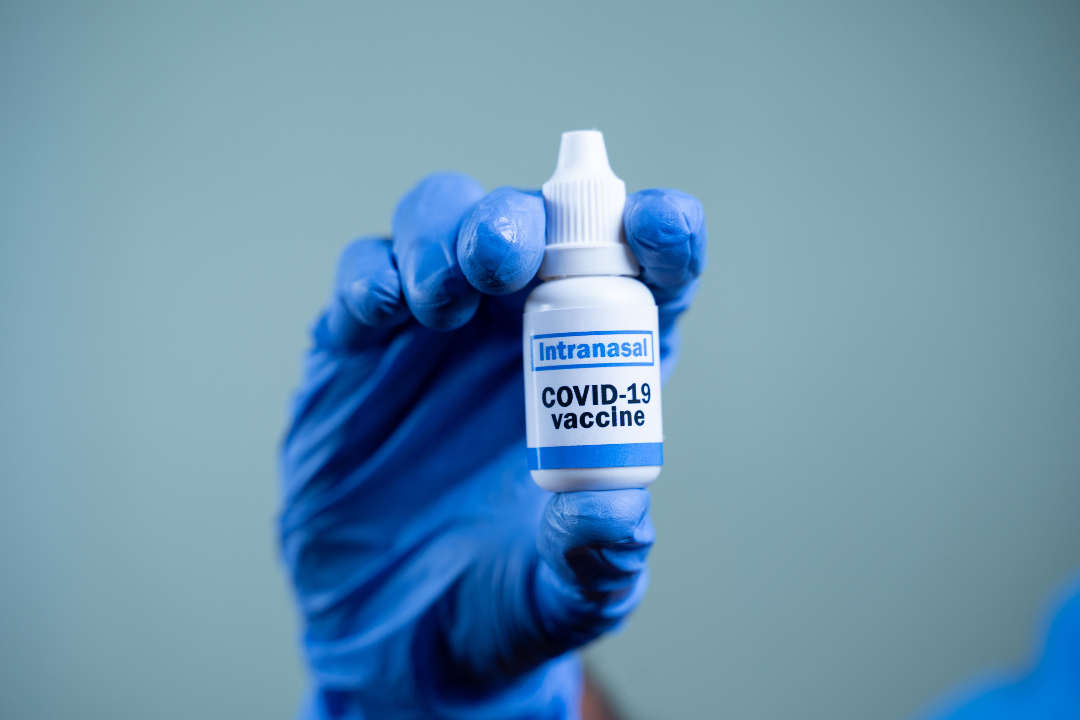
Atossa Therapeutics announced successful in vitro testing of nasal spray formulation with SARS-CoV-2
On Jul. 15, 2020, Atossa Therapeutics announced successful results from in vitro testing of AT-301, Atossa’s proprietary COVID-19 nasal spray drug candidate. The preliminary study results show that AT-301 inhibits SARS-CoV-2 infectivity of VERO cells in a laboratory culture, which is the standard disease model used for initial screening of COVID-19 drug candidates.
AT-301 is being developed with a nasal spray delivery mechanism because many COVID-19 patients are infected via the nasal passage. Collectively, the components of AT-301 are believed to help maintain a protective mucosal like layer within the nasal cavity with both anti-viral properties and protective mucosal like barrier that may lead to lower infectivity and reduced symptoms in COVID-19 patients due to their interference with the spike protein of the virus in the nasal cavity and upper respiratory tract. Atossa’s nasal spray formulation AT-301 is being designed to contain ingredients that can potentially block SARS-CoV-2 viral entry gene proteins in nasal epithelial cells by interfering with spike protein activation by host proteases, by masking receptor binding domains (RBD) via electrostatic mechanisms, and by providing a generalized mucoadhesive epithelial barrier.
The purpose of these experiments was to mimic the virus’s entry process in vitro by examining the infectivity of VERO monkey kidney cells by authentic SARS-CoV-2 virus particles. Although VERO cells are non-mucosal epithelial cells and therefore are more sensitive to cytotoxicity than would be expected of mucosal cells, they provide an established COVID-19 disease model system to judge in vitro efficacy.
Serial dilutions of the AT-301 formulation were performed from 1 to 4 to 1 to 4096. SARS-CoV-2 was incubated in these serial dilutions for 1 hour at 37° C and then the mixture was added to the cells for one hour at 37° C. The mixture was then removed and fresh media added at 37° C and incubated overnight. The cells were then fixed with 10% formalin overnight and then the cells were permeabolized with 0.5% Triton X-100. H anti-SARS-2 N protein, 1 µg/mL, was added at room temperature for 1 hour. Anti-human-IgG-488 (green) tagged antibody was added at a 1:1000 dilution at room temperature for 1 hour. This allowed visualization of the production of the N protein inside cells as a green signal, the evidence that an infection had occurred.
The experiments show that serial dilutions of the AT-301 nasal formulation, beginning with a 1 to 4 dilution and going to a 1 to 16 dilution were able to prevent N protein expression. Beginning at a 1 to 32 dilution the virus was able to infect the cells. There was minimal toxicity noted.
Tags:
Source: Atossa Genetics
Credit: