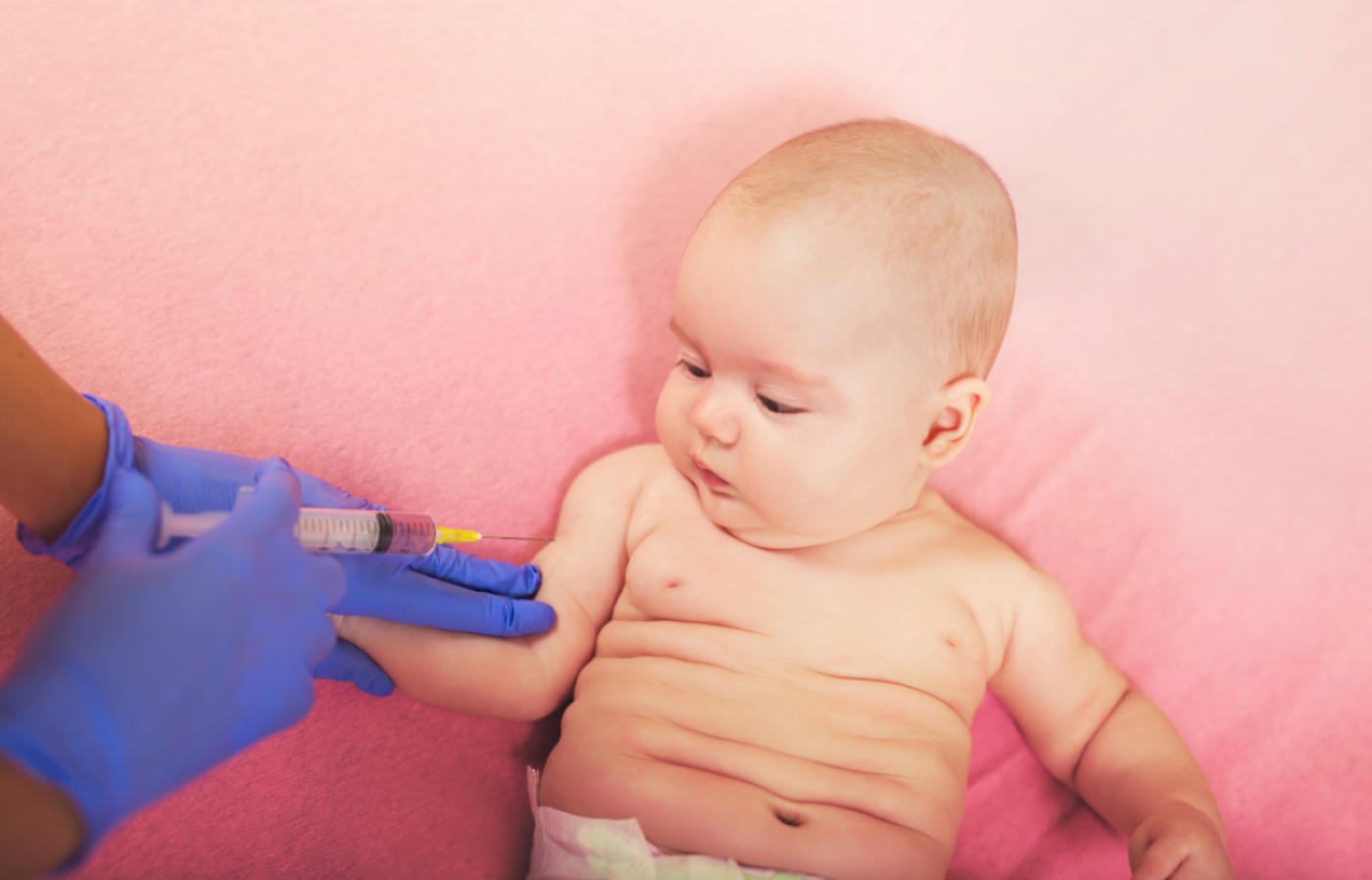
At least 80 million children under one at risk of diseases such as diphtheria, measles and polio as COVID-19 disrupted routine vaccination efforts
On May 22, 2020, COVID 19 disrupted life-saving immunization services around the world, putting millions of children – in rich and poor countries alike – at risk of diseases like diphtheria, measles and polio. According to data collected by the World Health Organization (WHO), UNICEF, GAVI and the Sabin Vaccine Institute, provision of routine immunization services was substantially hindered in at least 68 countries and is likely to affect approximately 80 million children under the age of 1 living in these countries.
According to data collected by the World Health Organization, UNICEF, Gavi and the Sabin Vaccine Institute, provision of routine immunization services is substantially hindered in at least 68 countries and is likely to affect approximately 80 million children under the age of 1 living in these countries.
Since March 2020, routine childhood immunization services have been disrupted on a global scale that may be unprecedented since the inception of expanded programs on immunization (EPI) in the 1970s. More than half (53%) of the 129 countries where data were available reported moderate-to-severe disruptions, or a total suspension of vaccination services during March-April 2020.
The reasons for disrupted services vary. Some parents are reluctant to leave home because of restrictions on movement, lack of information or because they fear infection with the COVID-19 virus. And many health workers are unavailable because of restrictions on travel, or redeployment to COVID response duties, as well as a lack of protective equipment.
Transport delays of vaccines are exacerbating the situation. UNICEF reported a substantial delay in planned vaccine deliveries due to the lockdown measures and the ensuing decline in commercial flights and limited availability of charters. To help mitigate this, UNICEF was appealing to governments, the private sector, the airline industry, and others, to free up freight space at an affordable cost for these life-saving vaccines. Gavi recently signed an agreement with UNICEF to provide advance funding to cover increased freight costs for delivery of vaccines, in light of the reduced number of commercial flights available for transport.
Tags:
Source: World Health Organization
Credit: