Antibodies produced in response to one type of coronavirus don’t offer protection against the other, study suggests
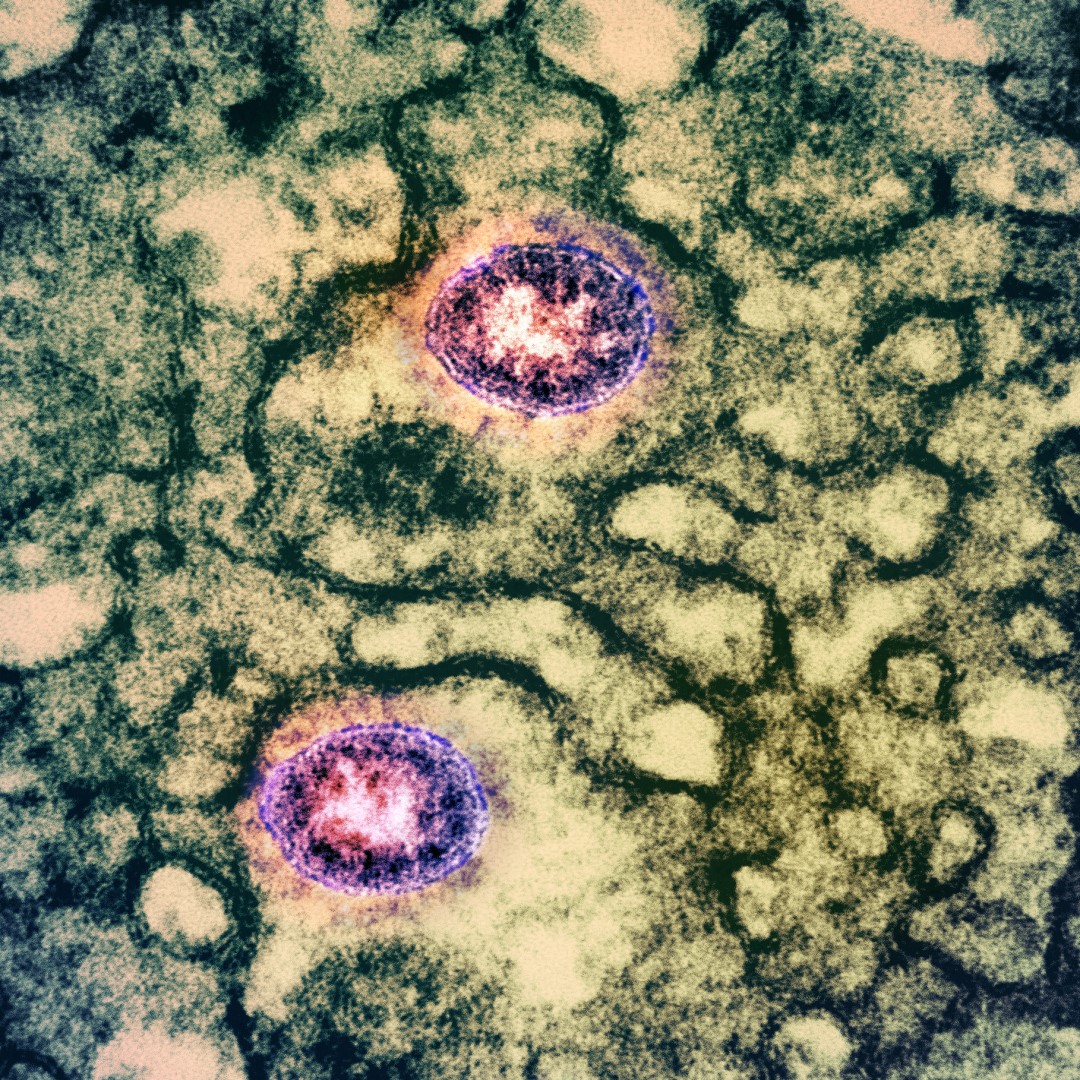
On May 19, 2020, in a study published in Cell Reports, researchers at the University of Hong Kong and Scripps Research explored whether antibodies produced in response to one coronavirus might be protective against a different type of coronavirus-knowledge that could offer important clues to creating a broadly effective vaccine. Specifically, they tested the cross-protective properties of antibodies from SARS-CoV, which causes SARS (severe acute respiratory syndrome) and SARS-CoV-2, which causes COVID-19.
The researchers estimate that approximately 4.65% of the county’s adult population has contracted the new coronavirus. As with all statistical estimates, there is a range of uncertainty or margin of error. The analysis suggests that the fraction of adults in Los Angeles who contracted the novel coronavirus could range from as low as 2.5% to just over 7%. The results verify preliminary results that had been released last month.
Herd immunity can disrupt an infection’s spread. It occurs when a large percentage of people have developed antibodies. Experts believe that herd immunity to the coronavirus would occur when at least 60% of people have antibodies either through vaccination or past infection. The study’s estimated infection rate also indicates that the fatality rate and the rate of hospitalizations are likely lower than rates based on official, confirmed case counts.
Over the course of four days, the researchers successfully tested 863 adults using a COVID-19 antibody test from Premier Biotech. Of the participants, 60% were women, 55% were aged 35 to 54 years old, 58% were white, and 43% had yearly household incomes greater than $100,000. Several participants reported that they had experienced symptoms of COVID-19 infection in the past 12 months: 13% reported that they had a fever with cough, 9% had a fever with shortness of breath and 6% had loss of smell or taste.
Researchers analyzed the results to account for the accuracy of the tests as well as the demographics of the participants. In addition, the authors noted that prevalence estimates could change with new information on the accuracy of test kits used. The study is ongoing. Researchers and the county plan to conduct additional rounds of testing.
Tags:
Source: Scripps Research
Credit: