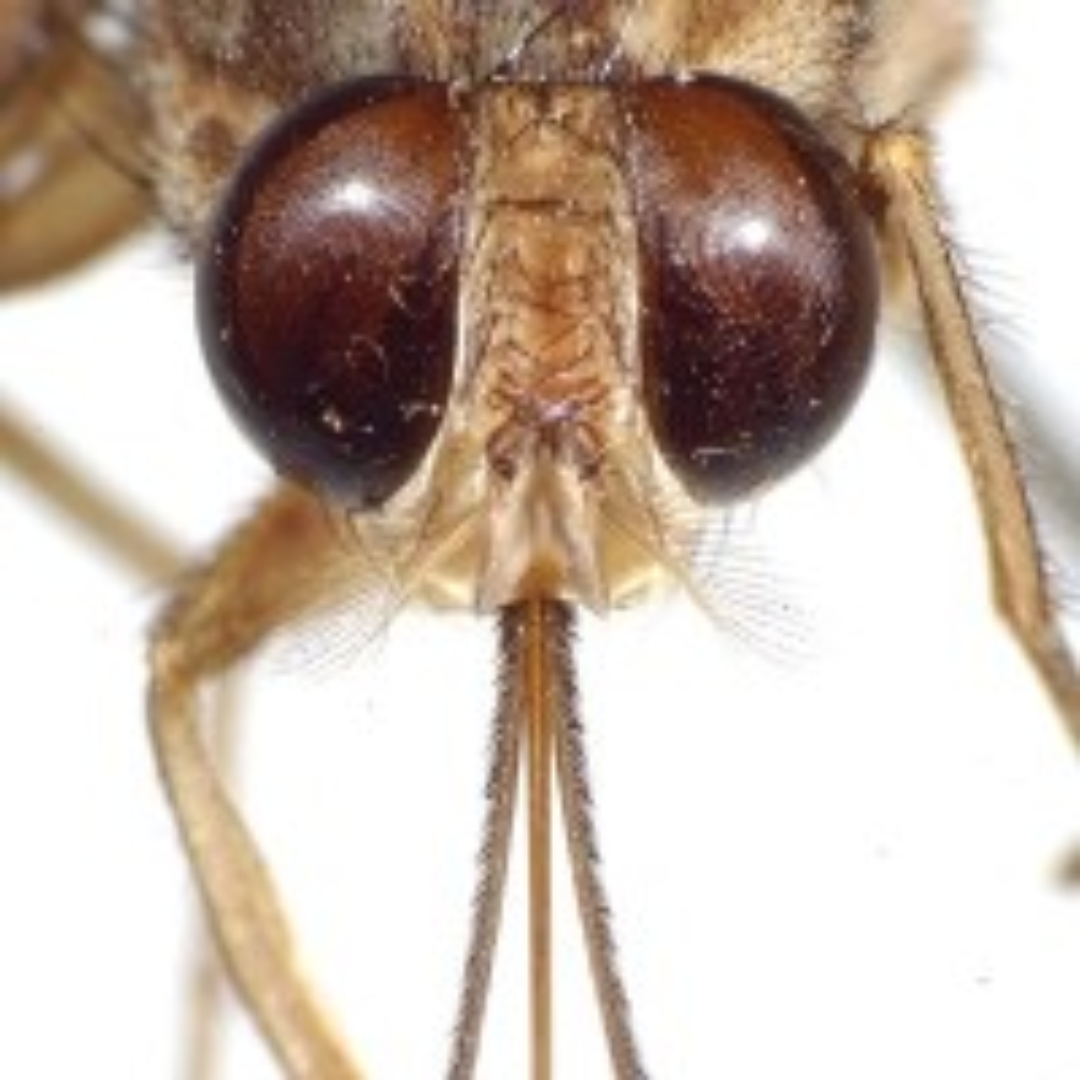
An international team of scientists announced the decoding of tsetse fly genome
On Apr. 24, 2014 an international team of scientists announced they had deciphered the genetic code of the tsetse fly, the bloodsucking insect that spreads deadly African sleeping sickness. The findings, published in the journal Science, were the culmination of a multimillion dollar, decade-long effort involving more than 140 scientists from 78 research institutions in 18 countries.
The International GlossinaGenome Initiative sequenced the genome of Glossina morsitans and identified the genes for many attributes of the tsetse’s remarkable biology, including viviparity and the expression of analogs of mammalian milk proteins. Tsetse are host to several specific symbionts that appear to synthesize essential nutrients for the fly and also to hitherto undiscovered parasitoid-derived viruses. Deeper exploration of this genome will reveal what makes these fly species so host- and trypanosome specific.
Analysis of the genome and the 12,308 predicted protein–encoding genes led to multiple discoveries, including chromosomal integrations of bacterial (Wolbachia) genome sequences, a family of lactation-specific proteins, reduced complement of host pathogen recognition proteins, and reduced olfaction/chemosensory associated genes. These genome data provide a foundation for research into trypanosomiasis prevention and yield important insights with broad implications for multiple aspects of tsetse biology.
Tags:
Source: Science
Credit: