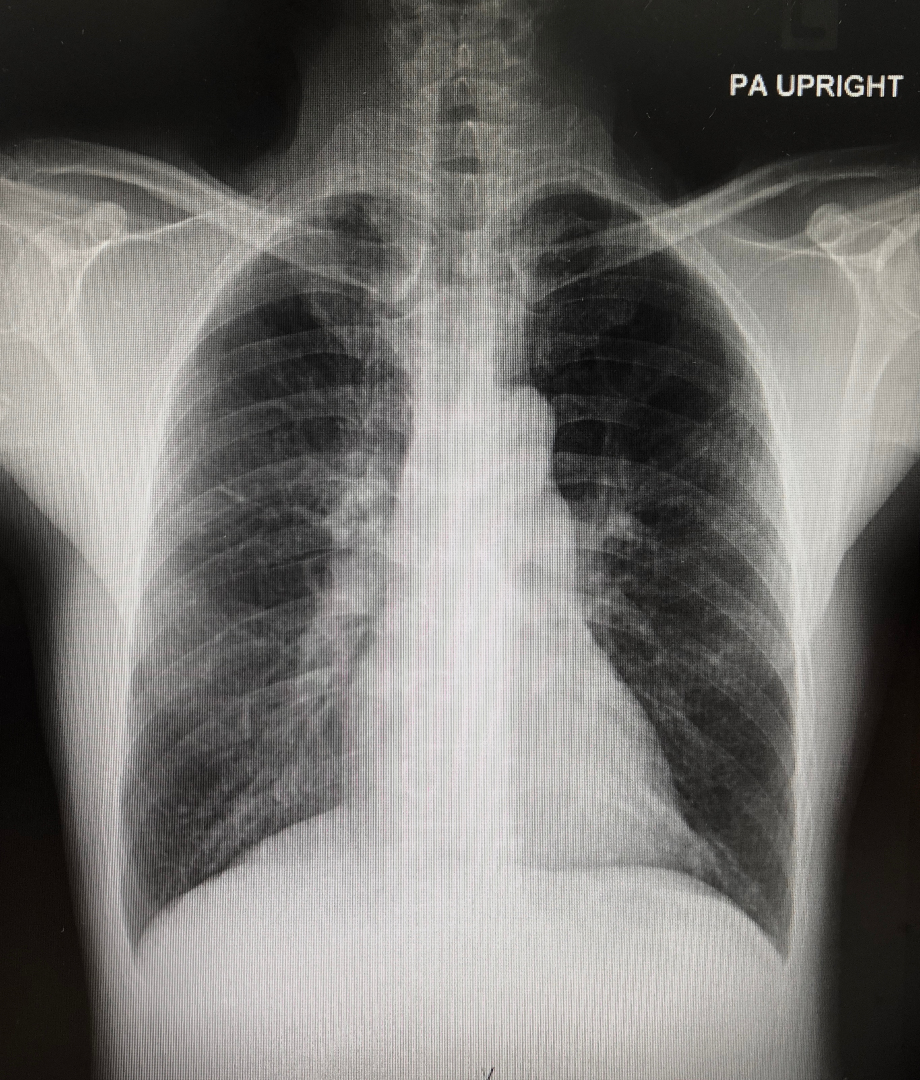
Akebia announced initiation of investigator-sponsored study evaluating vadadustat for prevention and treatment of ARDS in patients with COVID-19
On Jul. 14, 2020, Akebia Therapeutics announced the initiation of an investigator-sponsored study evaluating the use of vadadustat, Akebia’s investigational oral hypoxia-inducible factor prolyl hydroxylase inhibitor (HIF-PHI), as a potential therapy to prevent and lessen the severity of acute respiratory distress syndrome (ARDS), a complication of COVID-19 infection.
The randomized, double-blind, placebo-controlled study was intended to evaluate the safety and efficacy of vadadustat in up to 300 adult patients who have been hospitalized at Memorial Hermann-Texas Medical Center for hypoxemia due to COVID-19, the disease caused by SARS-CoV-2. Patients will be dosed with vadadustat or a placebo starting within 24 hours of hospital admission and continuing for up to 14 days. This study was conducted under a U.S. Food and Drug Administration Investigational New Drug (IND) application.
Vadadustat is currently in global Phase 3 development for the treatment of anemia due to CKD. The Company recently reported positive primary and key secondary efficacy and safety endpoint results from INNO2VATE, the first of its two global Phase 3 cardiovascular outcomes programs (please refer to Akebia’s INNO2VATE Data Announcement for the top-line data). Vadadustat is approved as a treatment for anemia due to CKD in both dialysis-dependent and non-dialysis dependent adult patients in Japan. Vadadustat is not approved by the U.S. Food and Drug Administration (FDA) or any regulatory authority for use outside of Japan.
As outlined by the CDC, people infected with COVID-19 have reported a wide range of symptoms including mild respiratory problems to severe respiratory illness including ARDS, which could result in rapid decline of respiratory function and death.
Akebia’s investigational oral HIF-PHI, vadadustat, leverages the HIF mechanism and is designed to mimic the body’s physiologic response to hypoxia (low oxygen) such as seen at high-altitudes. At higher altitudes, the body responds to lower oxygen availability with stabilization of HIF, which can lead to increased red blood cell production and improved oxygen delivery to tissues. Several HIF target-genes have been implicated in decreasing lung injury in ARDS and protecting other organs including the heart, intestine, kidneys, and liver in the setting of hypoxia.
Tags:
Source: Akebia Therapeutics
Credit: