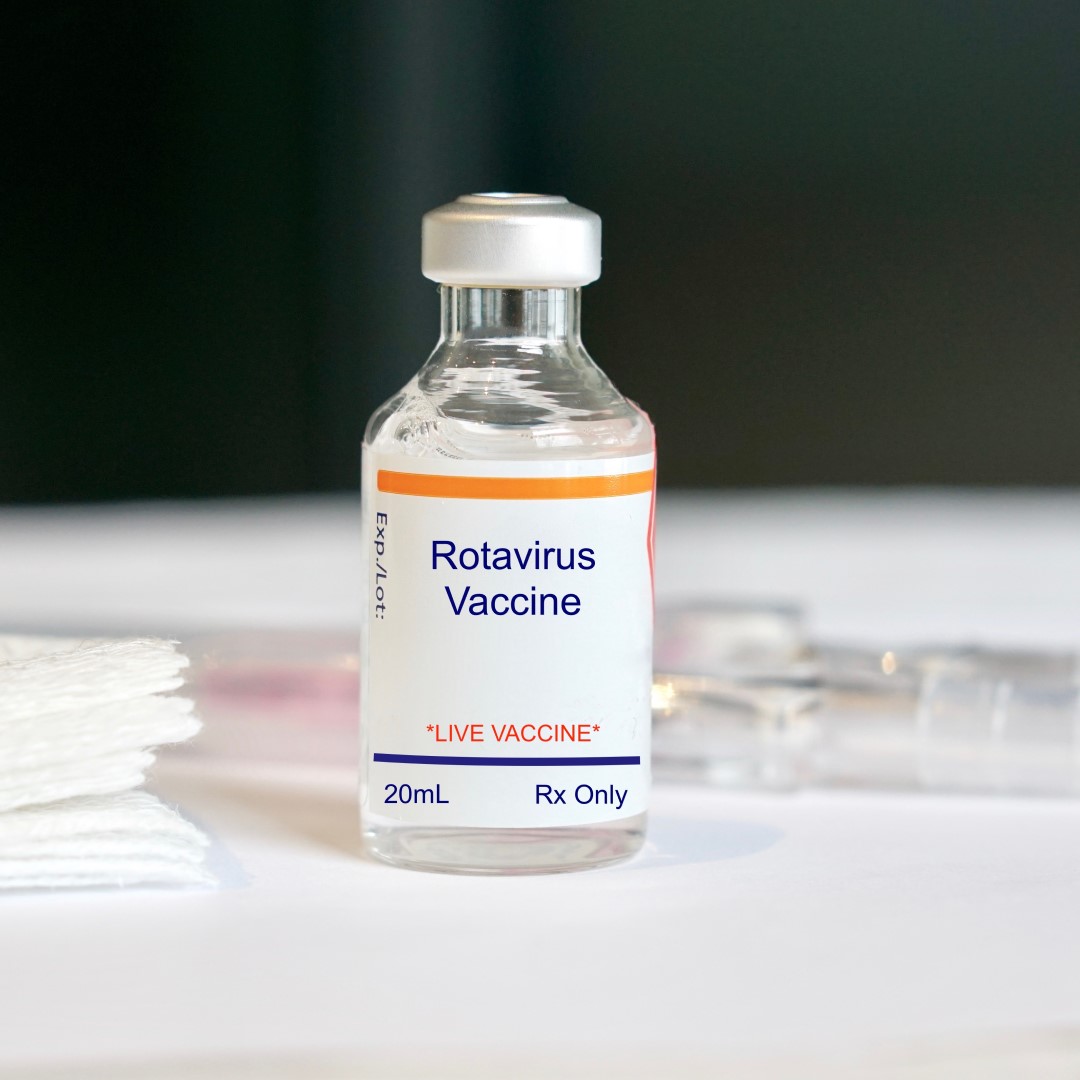
Addition of history of intussusception as a contraindication for rotavirus vaccination
On Oct. 21, 2011, the Food and Drug Administration (FDA) announced it had approved revised prescribing information and patient labeling from GlaxoSmithKline Biologicals for the monovalent rotavirus vaccine (RV1, marketed as Rotarix) and revised prescribing information and patient labeling from Merck for the pentavalent rotavirus vaccine (RV5, marketed as RotaTeq) to include history of intussusception as a contraindication.
Intussusception is a telescoping of one portion of the intestine into another, which can result in bowel obstruction and subsequent bowel ischemia. Intussusception is treated in the hospital setting with a specialized enema or a surgical procedure. Before rotavirus vaccine was used, about 1,900 infants developed intussusception each year in the United States. Some, but not all, postmarketing studies of the currently licensed vaccines have detected an increased risk for intussusception following rotavirus vaccine administration, particularly during the first week following the first dose of vaccine.
More information on the possible risk for intussusception in U.S. infants following rotavirus vaccination is available on CDC and FDA websites. If the risk exists, rotavirus vaccination could cause about 50–60 additional intussusception cases in the United States each year while preventing more than 50,000 hospitalizations each year from rotavirus disease.
Compared with infants who have never had intussusception, infants with a history of intussusception are at greater risk for intussusception. According to case series reports on intussusception (infants and young children combined), approximately 5%–10% of patients with intussusception have a subsequent episode (9). Specific data, however, are not available on the risk for a subsequent episode of intussusception following rotavirus vaccination of infants with a history of intussusception.
CDC is updating its contraindications for rotavirus vaccine. Rotavirus vaccination is now contraindicated for 1) infants with a history of severe allergic reaction (e.g., anaphylaxis) after a previous dose of rotavirus vaccine or exposure to a vaccine component, 2) infants diagnosed with severe combined immunodeficiency (SCID), and 3) infants with a history of intussusception.
Tags:
Source: U.S. Centers for Disease Control and Prevention
Credit: