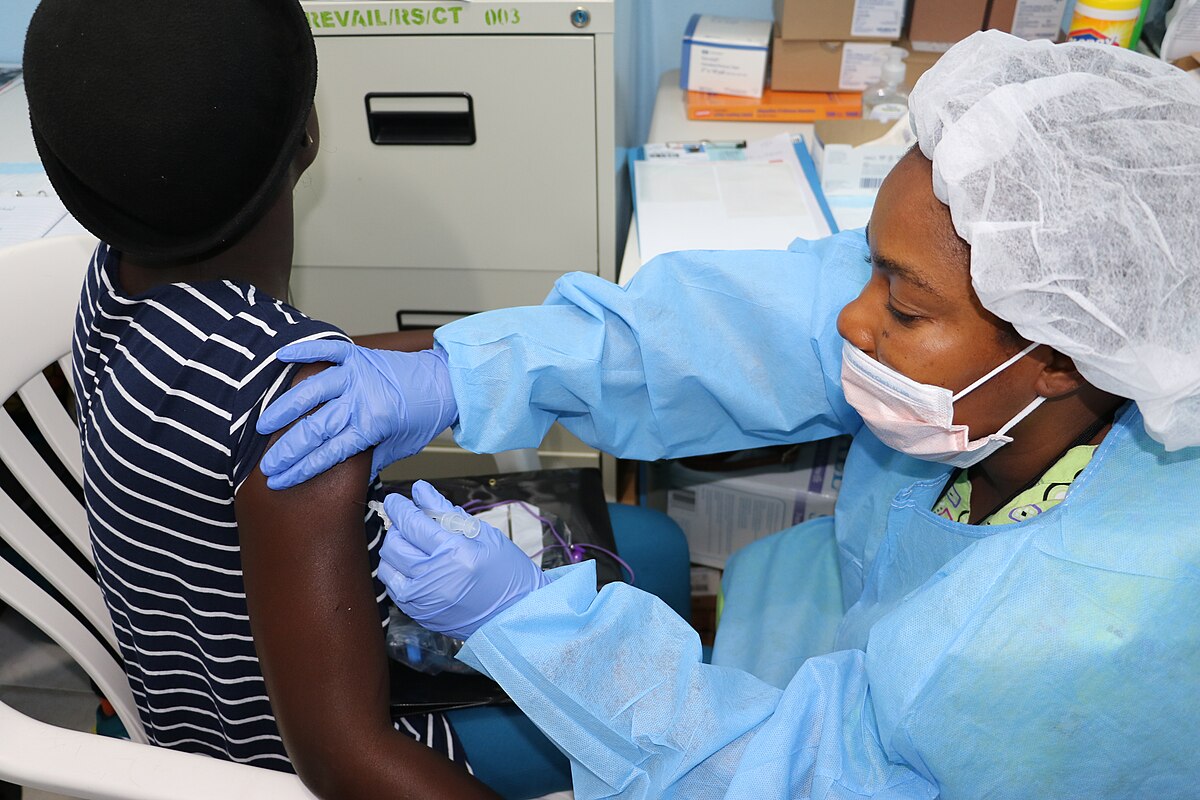
WHO, UN set out steps to meet world COVID vaccination targets
On Oct. 7, 2021, the World Health Organization (WHO) launched the Strategy to Achieve Global Covid-19 Vaccination by mid-2022 to help bring an end to what has become a two-track pandemic: people in poorer countries continue to be at risk while those in richer countries with high vaccination rates enjoy much greater protection.
WHO had set a target to vaccinate 10% of every country, economy and territory by the end of September but by that date 56 countries had not been able to do so, the vast majority of these are countries in Africa and the Middle East.
The new strategy outlines a plan for achieving WHO’s targets to vaccinate 40% of the population of every country by the end of this year and 70% by mid-2022. To achieve the global vaccination targets, there should be a three-step approach to vaccination, with all older adults, health workers, and high-risk groups of all ages, in every country vaccinated first, followed by the full adult age group in every country and lastly extended vaccination of adolescents.
Vaccinating 70% of the global population requires at least 11 billion vaccine doses. By the end of September, just over 6 billion doses had already been administered worldwide. With global vaccine production now at nearly 1.5 billion doses per month, there is sufficient vaccine from a supply perspective to achieve the global vaccination targets provided that there is equitable distribution of those doses.
Substantial financing has already been invested to procure most of the required vaccine doses for low- and lower-middle-income countries through COVAX, the African Vaccine Acquisition Trust (AVAT) and bilateral contracts. There needs to be additional investment to secure the remaining vaccine doses for these countries as well as investment to support in-country delivery.
Tags:
Source: World Health Organization
Credit: