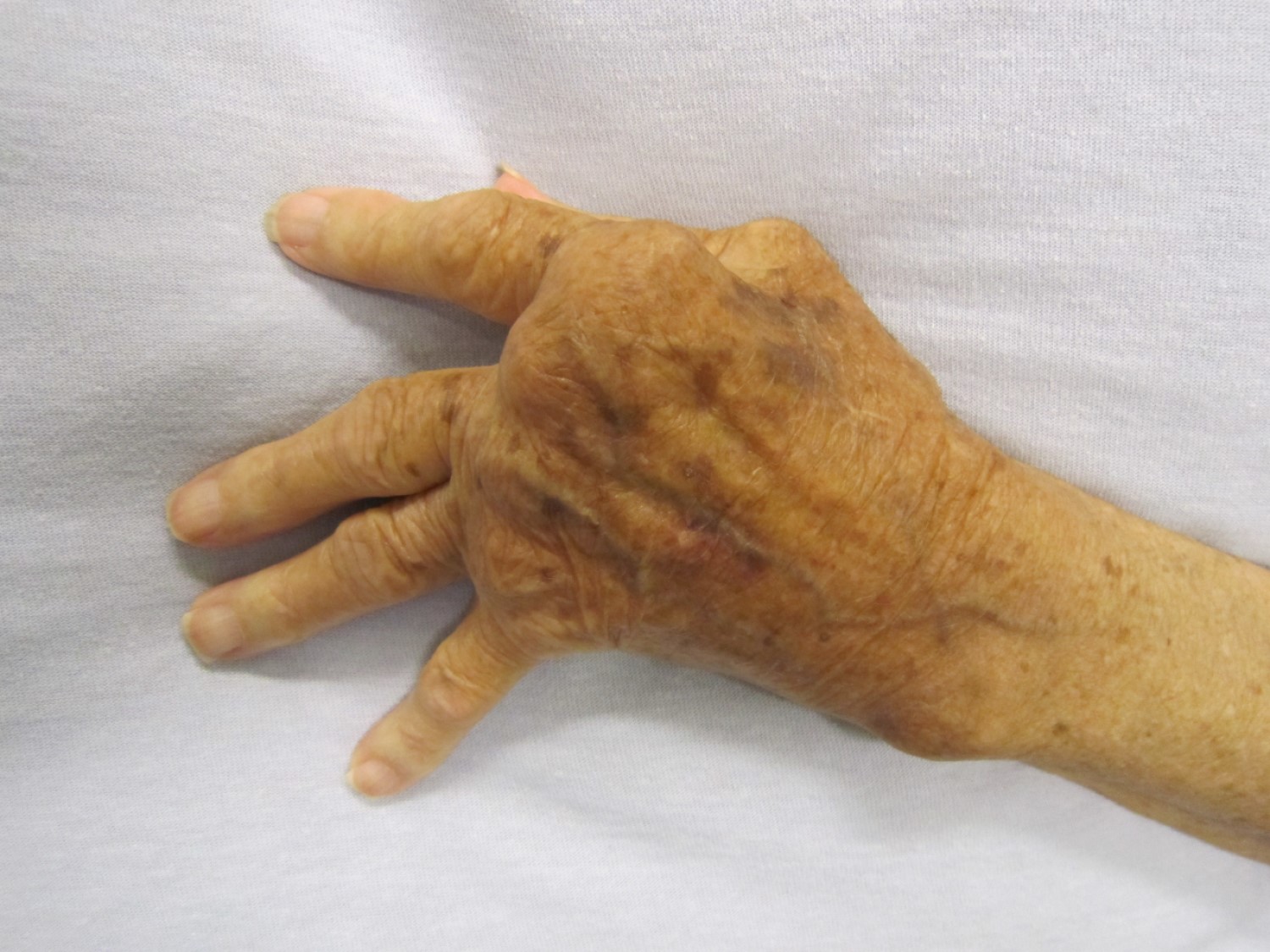
UNMC VA study found contaminants may increase risk of rheumatoid arthritis
On Oct. 28, 2020, researchers at the University of Nebraska Medical Center (UNMC) reported the results of a study on the association between inhalant exposures with rheumatoid arthritis-related autoantibodies and severity in U.S. veterans. The results were recently published in the journal Arthritis & Rheumatology.
One of the study’s main conclusions found that military burn pit and military waste disposal exposures were associated with rheumatoid arthritis autoantibody expression, thus, may affect the risk of developing rheumatoid arthritis.
Dr. England, who is senior author of the paper, said the study’s conclusion supports the concept that both genetic and environmental factors drive rheumatoid arthritis-autoimmunity and rheumatoid arthritis risk. He said the findings are consistent with emerging evidence that various inhalant exposures influence autoantibody expression and rheumatoid arthritis risk.
Data for the study came from surveys mailed to participants in the Veterans Affairs Rheumatoid Arthritis Registry as well as clinical data in the registry of the 797 study participants. Researchers assessed occupational, agricultural and military inhalant exposures with rheumatoid arthritis-related factors.
Study participants who responded were older, more often white or male, less frequent smokers, and had lower disease activity.
Tags:
Source: University of Nebraska Medical Center
Credit: