Johnson & Johnson announced COVID-19 investigational vaccine candidate prevents severe clinical disease in hamsters
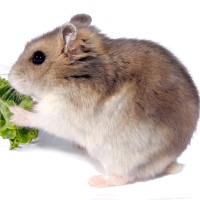
On Sept. 3, 2020, data from Janssen’s lead SARS-CoV-2 investigational vaccine candidate, Ad26.COV2.S, prevented severe clinical disease in Syrian golden hamsters, upon challenge with SARS-CoV-2, the virus that causes COVID-19 in people was published in Nature Medicine. The data demonstrated that the Company’s investigational adenovirus serotype 26 (Ad26) vector-based vaccine elicited an immune response as demonstrated by “neutralizing antibodies” and prevented severe clinical disease – including weight loss, pneumonia and mortality – in Syrian golden hamsters upon challenge.
This publication follows Johnson & Johnson’s recent announcement that its vaccine candidate elicited an immune response in a pre-clinical study in non-human primates (NHP), that correlated with protection against SARS-CoV-2, providing complete protection against viral replication in the lungs. The latest research tested the vaccine candidate in Syrian golden hamsters, as they are more susceptible to clinical disease than NHPs, which typically do not get severe disease.
In the pre-clinical study, researchers first immunized Syrian golden hamsters with a single injection of the Ad26-based SARS-CoV-2 vaccine, which induced neutralizing antibodies in all the vaccinated animals. Four weeks later, the animals were exposed to a high dose of SARS-CoV-2 virus. These vaccinated animals lost less weight and had less virus in their lungs and other organs than unvaccinated control animals. Mortalities were absent in vaccinated animals. Moreover, the researchers found that neutralizing antibody responses were inversely correlated with weight loss and viral replication in the lung.
Ad26.COV2.S was being evaluated in clinical studies to establish the performance of the vaccine candidate in humans.
Tags:
Source: Johnson & Johnson
Credit: