U.S. FDA approved first biosimilar to treat Multiple Sclerosis
On Aug. 24, 2023, the U.S. Food and Drug Administration (FDA) approved Sandoz’s Tyruko (natalizumab-sztn), the first biosimilar to Tysabri (natalizumab) injection for the treatment of adults with relapsing forms of multiple sclerosis (MS). Tyruko, like Tysabri, is also indicated for inducing and maintaining clinical response and remission in adult patients with moderately to severely active Crohn’s Disease (CD) with evidence of inflammation who have had an inadequate response to, or are unable to tolerate, conventional CD therapies and inhibitors of TNF-a (tumor necrosis factor, a substance in your body that causes inflammation).
Biological products include medications for treating many serious illnesses and chronic health conditions, including MS. A biosimilar is a biological product that is highly similar to, and has no clinically meaningful differences from, a biological product already approved by the FDA (also called the reference product). This means patients can expect the same safety and effectiveness from the biosimilar as they would the reference product. All biological products are approved only after they meet the FDA’s rigorous approval standards. The approval of Tyruko, a biosimilar to Tysabri (natalizumab), is based on evidence that showed there are no clinically meaningful differences between the two products in terms of safety, purity and potency (i.e., safety and effectiveness).
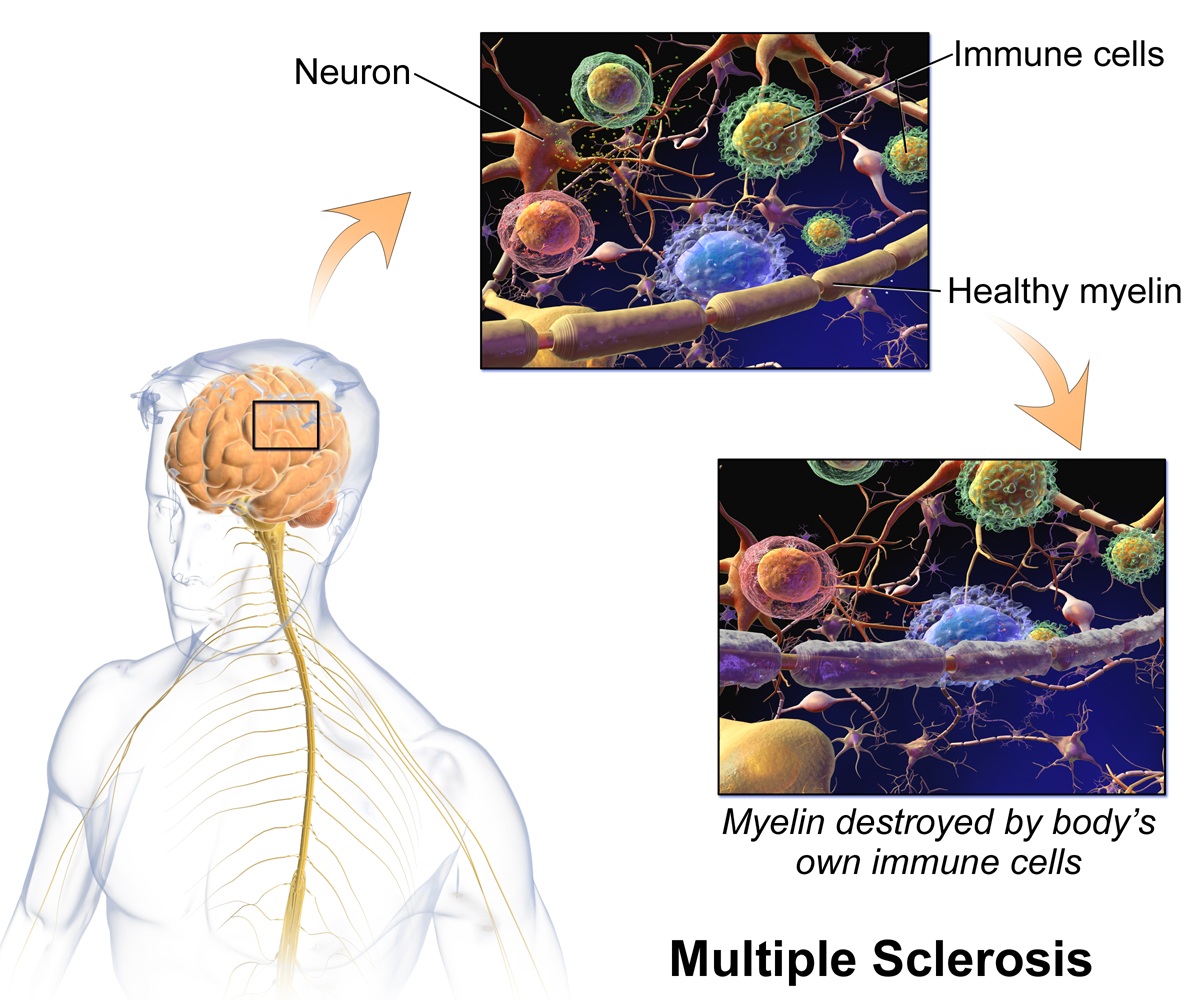
MS is a chronic, inflammatory, autoimmune disease of the central nervous system that disrupts communication between the brain and other parts of the body. It is among the most common causes of acquired neurological disability in young adults and occurs more frequently in women than men. For most people with MS, episodes of worsening function and appearance of new symptoms, called relapses, are initially followed by recovery periods (remissions). Over time, recovery may be incomplete, leading to progressive decline in function and increased disability.
The Prescribing Information for natalizumab products (including Tyruko and Tysabri) contains a boxed warning to inform health care professionals and patients about the increased risk of progressive multifocal leukoencephalopathy (PML), a viral infection of the brain that usually leads to death or severe disability. Risk factors for the development of PML include the presence of anti-JCV antibodies (antibodies to the JC virus, a typically harmless virus carried by most humans), longer duration of therapy and prior use of immunosuppressants. These factors should be considered in the context of expected benefit when initiating and continuing treatment with natalizumab products, and health care providers should monitor patients and withhold treatment immediately at the first sign or symptom suggestive of PML.
Because of the risks of PML, natalizumab products are available only through a restricted drug distribution program, under a risk evaluation and mitigation strategy (REMS). The REMS requires health care professionals who prescribe natalizumab products, and pharmacies that dispense them, to be specially certified in the REMS, and that patients be enrolled in the REMS. As part of the REMS requirements, prescribers must evaluate patients three and six months after the first infusion, every six months thereafter, as well as immediately and six months after discontinuing treatment.
Tags:
Source: U.S. Food and Drug Administration
Credit: