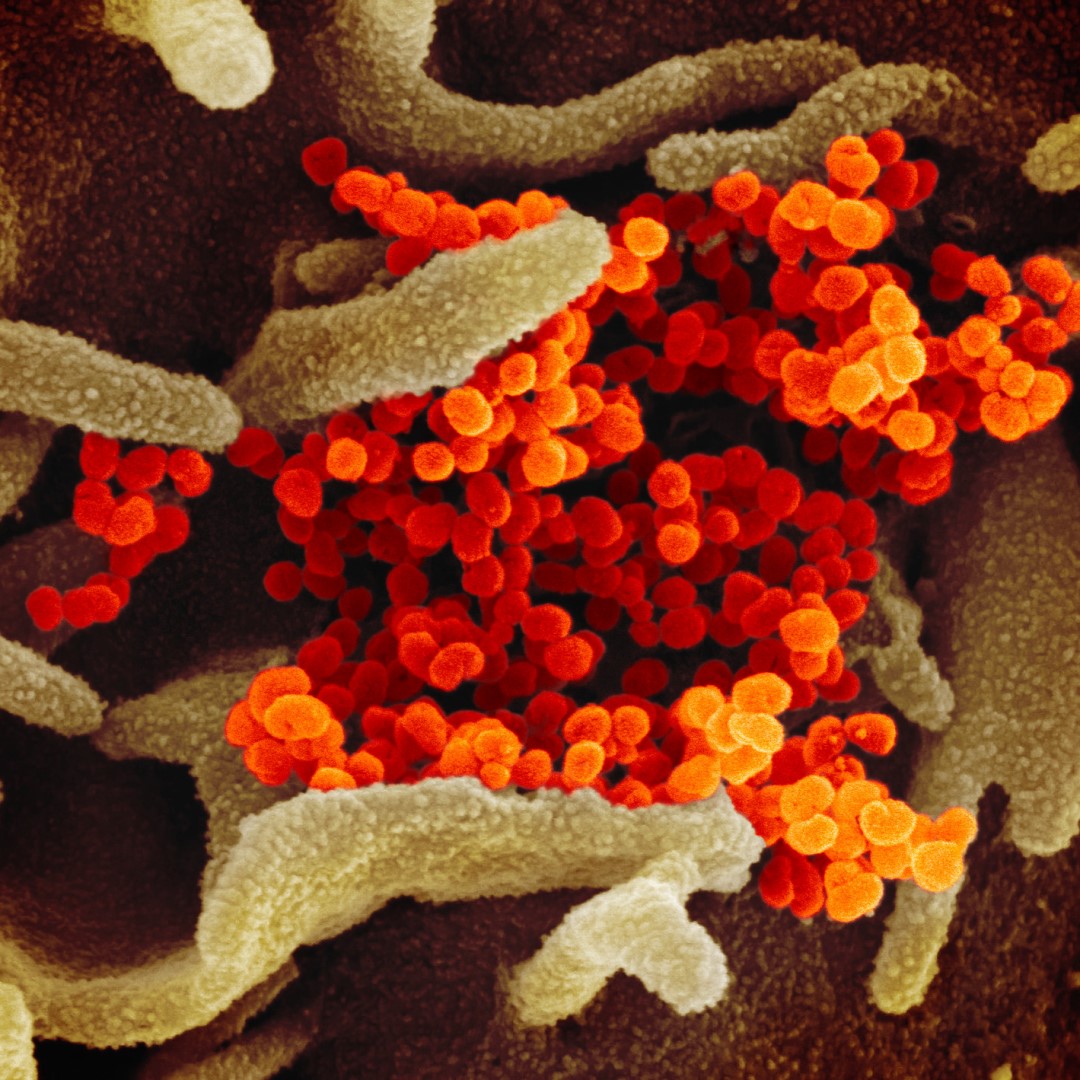
Soligenix and University of Hawaii at Manoa initiate work on novel Coronavirus vaccine for COVID-19
On Mar. 23, 2020, Soligenix announced that its ongoing collaboration with the University of Hawaii at Manoa (UH Manoa) is being expanded to assess potential coronavirus vaccines (including COVID-19).
Under the Company’s Public Health Solutions business segment, ongoing collaborations with Axel Lehrer, PhD of the Department of Tropical Medicine, Medical Microbiology and Pharmacology, John A. Burns School of Medicine (JABSOM), UH Mānoa have demonstrated the feasibility of developing heat stable subunit filovirus vaccines, including Ebola virus disease caused by either Zaire or Sudan ebolavirus variants, as well as Marburg virus disease, with both monovalent and bivalent vaccine combinations.
Formulation conditions have been identified to enable heat stabilization of each antigen, alone or in combination, for at least 12 weeks at 40 degrees Celsius (104 degrees Fahrenheit). Soligenix and its collaborators are expanding the technology platform to assess compatibility with coronaviruses including SARS-CoV-2, the cause of COVID-19.
The resulting vaccine is broadly applicable, including to individuals often excluded from common viral vector vaccine approaches such as children, the elderly and the immunocompromised. These same components can now be applied to coronavirus vaccine, using well-defined surface glycoprotein(s) from one or more coronaviruses, which will include key antigens expected to be protective for COVID-19. The protection of elderly and immunocompromised populations are particularly important in the context of COVID-19.
Coronavirus infections can cause a wide spectrum of disease in humans, ranging from a common cold to a more severe respiratory infection, such as Severe Acute Respiratory Syndrome (SARS) and Middle East Respiratory Syndrome (MERS), which have a case mortality rate of approximately 10% and 30%, respectively. Similar to filoviruses, coronaviruses also are endemic in wildlife populations and can be transmitted to humans with close contact. The COVID-19 outbreak, caused by SARS-COV-2, is the most recent example of species crossover seen with this virus family. Although the case fatality rate of COVID-19 is still under investigation, COVID-19 has been declared a global pandemic by the World Health Organization. The global impact of this emerging infection demonstrates the need for robust technology platforms to rapidly develop new vaccines for novel diseases. There is currently no approved treatment for any coronavirus infection, nor any approved vaccine.
Tags:
Source: Soligenix
Credit: