U of A researchers find elusive protein that could be key to eliminating neglected tropical diseases
On Aug. 22, 2019, University of Alberta announced they have found an important protein in the cells of a deadly infectious parasite, opening the door to less harmful treatment for millions of people suffering from diseases like sleeping sickness in Africa and Chagas disease in South America.
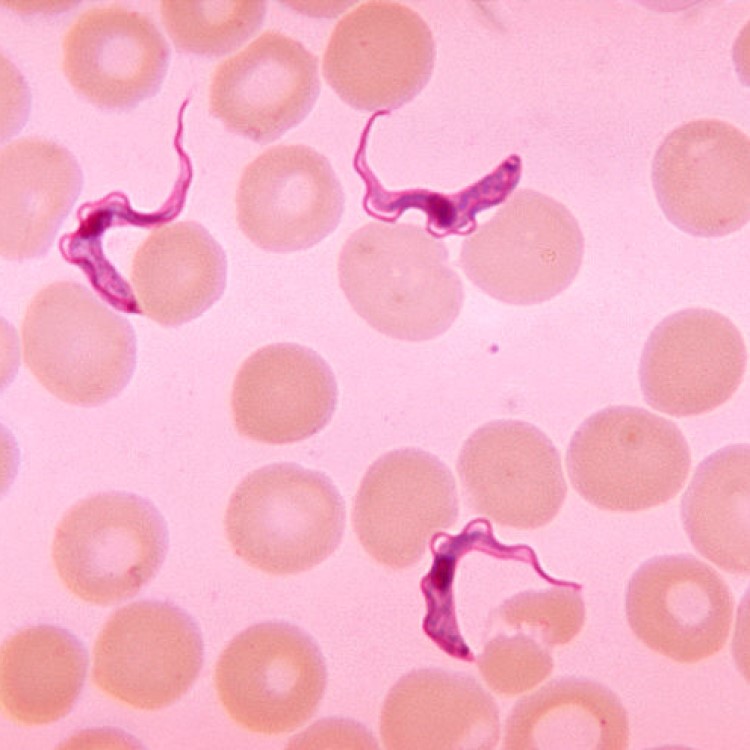
The parasite, trypanosome, is transmitted through insect bites. In a study published in Life Science Alliance, U of A cell biologist Rick Rachubinski and research associates Hiren Banerjee and Barbara Knobloch found that a protein called PEX3, long believed not to exist in the parasite, was in fact present and essential for their viability.
PEX3 is a critical component of the cell biology of many living things, including humans, plants and trypanosomes. It helps make and regulate parts of the cells called peroxisomes, which help break down fatty acids and amino acids in the body to create energy.
In a trypanosome, there are specialized peroxisomes that are vital for regulating the process of turning glucose in a host’s blood into energy. Disrupting the PEX3 required for making them could be an effective way to target and kill the parasite without harming the host, according to the researchers.
Rachubiniski and his team are now in the process of identifying a drug treatment that targets and disrupts enough of the trypanosome’s PEX3 interactions with partner proteins to prevent the parasites from creating enough energy to survive in the body.
Tags:
Source: University of Alberta
Credit: Photo: Blood smear from patient with African trypanosomiasis. Courtesy: Centers for Disease Control and Prevention’s Public Health Image Library.