UCLA scientists engineer ready-to-use cancer-fighting T cells for solid tumors
On Sept. 8, 2026, researchers from the University of California, Los Angeles (UCLA) announce they have developed a way to mass-produce cancer-fighting T cells from blood stem cells found in cord blood, engineered to target a protein found in many solid tumors — creating uniform batches instead of custom treatments for each patient.
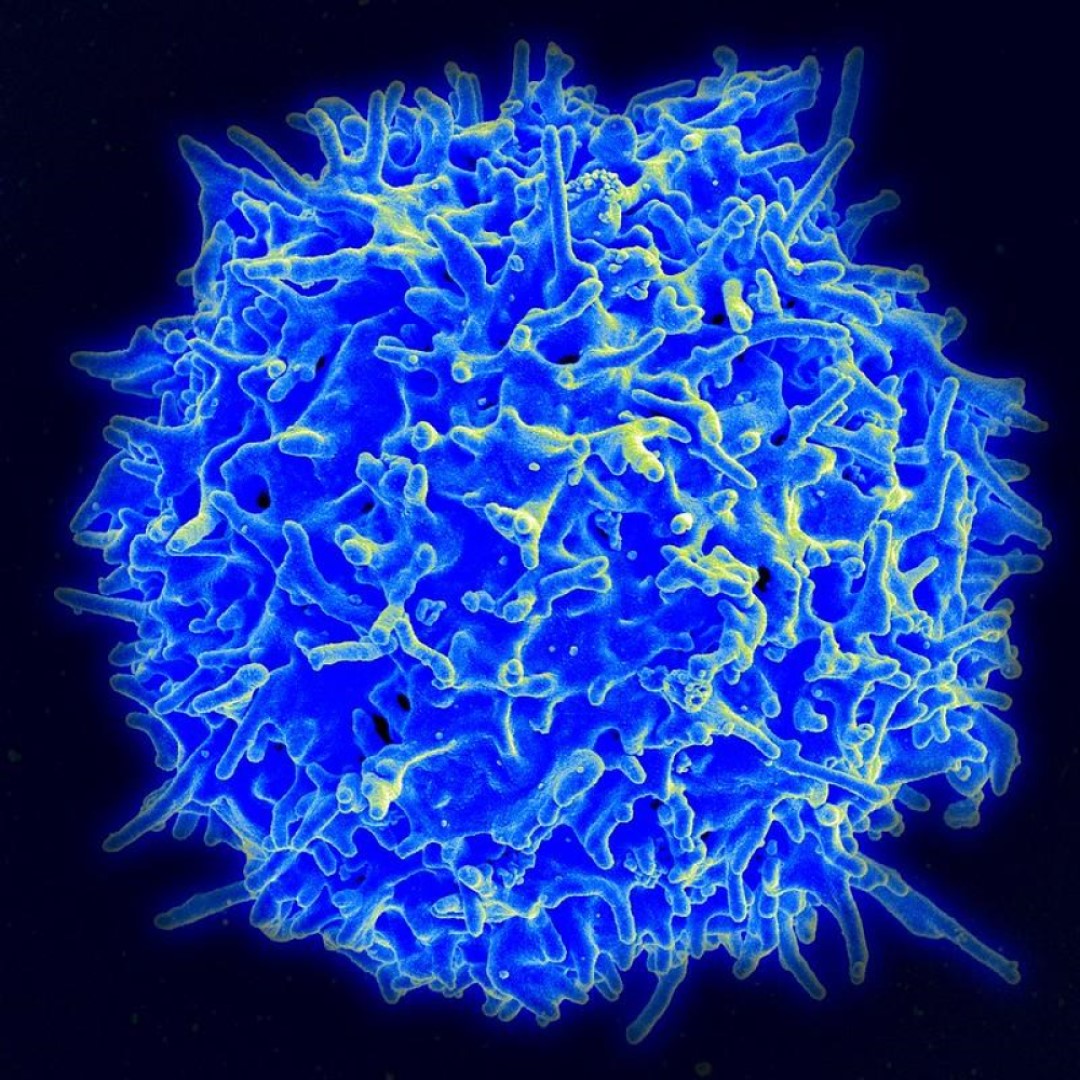
T cell receptor, or TCR, therapy is a cancer treatment that genetically reprograms immune cells, called T cells, to hunt down cancer with precision. It’s similar to another treatment, CAR T-cell therapy, but with one key difference: CAR T-cell therapy can only spot proteins that naturally appear outside of a cancer cell. TCR therapy, however, can also catch small protein fragments from inside the cell, which get carried to the surface and displayed like little name tags.
Perhaps the platform’s biggest promise is that it could put T-cell therapies within reach for many more patients. Because the therapy starts from stem cells rather than fully formed T cells collected one patient at a time, manufacturing can run at a scale that custom-made therapies can’t match.
In mouse models of ovarian cancer, a single dose led to durable tumor control and extended survival, while a comparison group treated with T cells engineered from mature donor T cells kept the tumors only partially in check and developed graft-versus-host disease. A melanoma model told the same story: The AlloESO-T cells slowed the cancer and delayed its return, while the comparison cells offered only fleeting control.
Rather than starting with mature, donor-derived T cells, the researchers began a step earlier — with blood stem cells found in cord blood, which naturally give rise to every type of blood and immune cell. They then added a gene for a receptor that targets NY-ESO-1, a protein found in many solid tumors. Fragments of NY-ESO-1 get pushed to the outer surface and displayed there, name-tag style. The researchers then grew these engineered stem cells into T cells in the lab.
Introducing that receptor this early keeps the stem cells from developing their own natural receptors as they mature. That matters because conventional donor-derived T-cell therapies start from T cells that already carry a random assortment of natural receptors, which must be silenced with extra gene editing, since any of them could attack the patient’s healthy tissue.
The difference came down to where the cells went. After a single infusion, the AlloESO-T cells multiplied roughly 100-fold, traveled to the tumor, expanded where they were needed and stayed active for weeks — while largely leaving healthy organs alone. In contrast, the conventionally engineered cells spread through the liver and lungs and triggered the toxicity this new approach is designed to avoid.could put T-cell therapies within reach for many more patients. Because the therapy starts from stem cells rather than fully formed T cells collected one patient at a time, manufacturing can run at a scale that custom-made therapies can’t match.
Tags:
Source: University of California, Los Angeles
Credit: