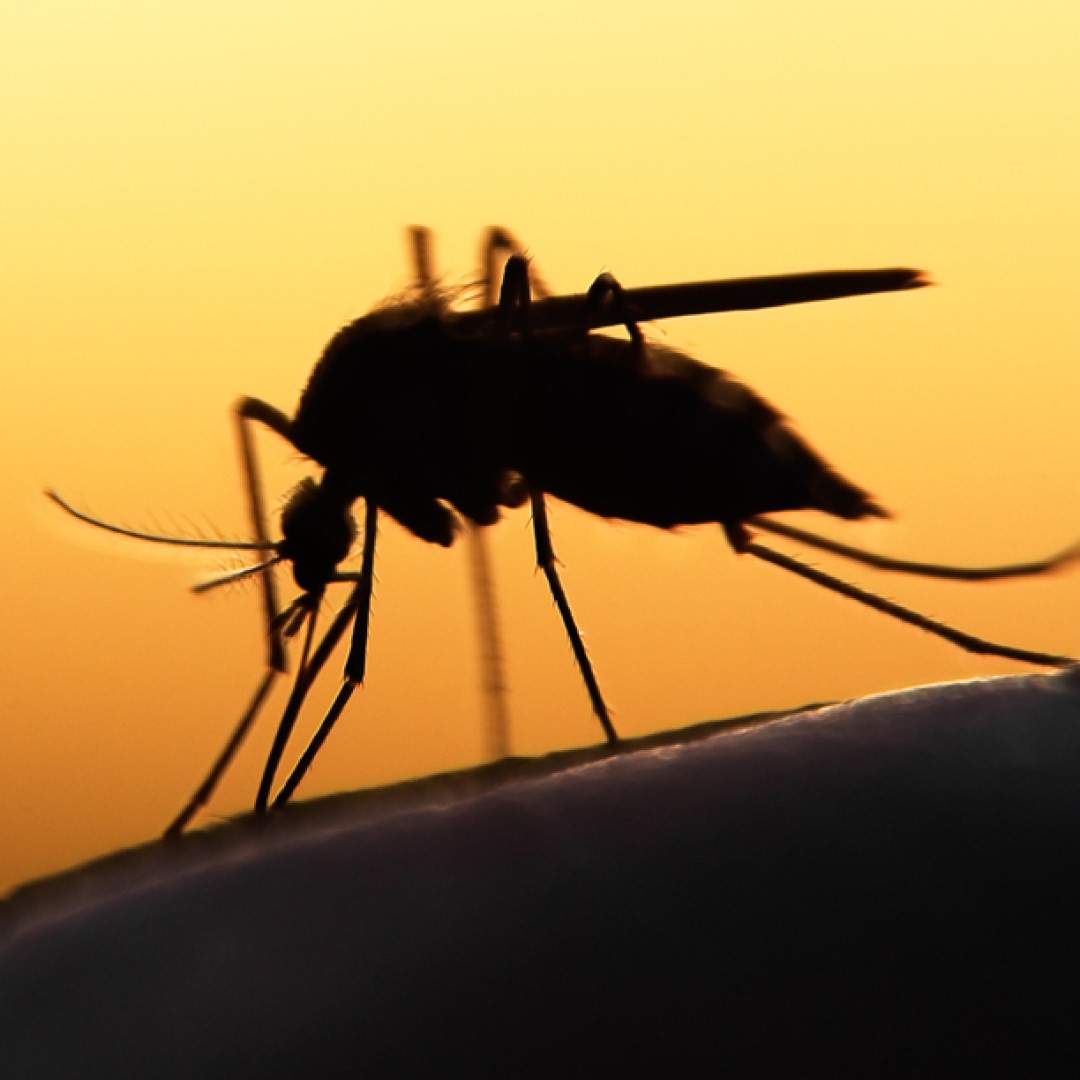
Debugging California: Fighting mosquitoes with mosquitoes
On Jun. 4, 2026, a program called Debug—run by Google’s health research arm—has applied to the EPA to release up to 32 million sterile male mosquitoes across California over the next two years. The target is the Culex mosquitoes that spread West Nile virus and St. Louis encephalitis.
Mosquitoes kill more humans than any other animal on Earth, because they carry diseases like malaria, dengue, yellow fever, and closer to home, West Nile Virus. In California, we’re about to fight them in a creative way: by releasing millions of mosquitoes.
Here’s how it works: giant batches of Culex mosquitoes are infected in a lab with a common bacteria called Wolbachia, which sterilizes the males. These males are released into the world, and when they mate with wild females, the unfertilized eggs don’t hatch. Female mosquitoes only mate once in a lifetime. So over time, the Culex population drops, because fewer mosquitoes are being born. And male mosquitoes don’t bite. The ones being released can’t harm you.
Why does this matter—and why now? California has the most West Nile virus infections in the country, accounting for 18% of national infections. The fatality rate of West Nile neuroinvasive disease is roughly 10%.
West Nile virus naturally cycles between birds and Culex mosquitoes, with occasional transmission to humans or animals through the bite of an infected mosquito. Reducing the Culex population limits the likelihood of human exposure. So far in 2026, West Nile virus has been found in birds in nine California counties, with no human cases. Reducing the Culex population limits the likelihood of human exposure. So far in 2026, West Nile virus has been found in birds in nine California counties, with no human cases.
Mosquitoes and their pathogens travel in pairs: Culex carries West Nile, Aedes speciescarry dengue, yellow fever, and Zika, Anopheles carries malaria. The Wolbachia strategy has already been applied to control Aedes populations. In California, the Debug Fresno program saw a 95% suppression in Aedes by its second season. In Australia, a program in Cairns led to a 96% reduction in human dengue fever cases sustained over two years. Dengue fever is a debilitating illness that, with repeated infections, can progress to hemorrhagic shock and death. Scaled to the 3.9 billion people living in dengue-endemic areas globally, the potential impact is huge.
Tags:
Source: Your Local Epidemiologist, Dr. Matt Willis
Credit: