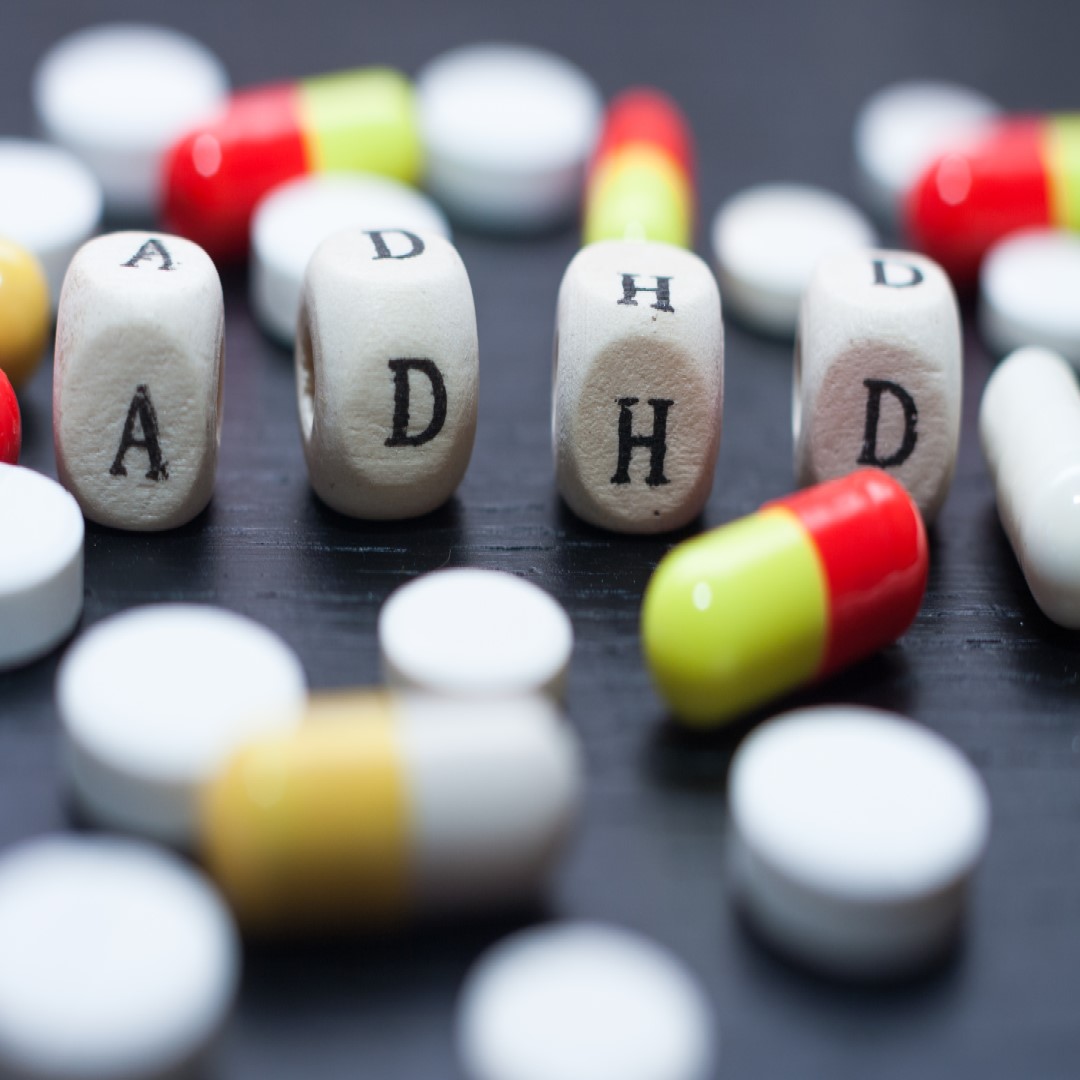
CU Medicine reveals interplay between epigenetic changes and gut microbiome in newborns with neurodevelopment later in life
On Apr. 23, 2026, a multidisciplinary research team from the Chinese University of Hong Kong’s Faculty of Medicine (CU Medicine) has revealed that epigenetic changes present at birth can impact how an infant’s gut microbiome develops during their first year. They have also identified specific epigenetic changes and gut microbes that are associated with signs of autism spectrum disorder (ASD) and attention-deficit/hyperactivity disorder (ADHD) when the children are three years old. Caesarean section was also identified as a contributing factor. The team believes that probiotics or live biotherapeutics could potentially reduce the risk of neurodevelopmental challenges, and will conduct further studies to see how these early-life factors relate to children’s health as they grow. The findings of this research were published in Cell Press Blue, a leading academic journal under Cell Press.
The first years of life are critical for brain development and immune system maturation. Though previous studies have shown that both early epigenetic changes and gut microbiome development can impact health in later life, little is known about how these two systems interact. Unlike the stable human genome, epigenetic changes act as a molecular switch that can be altered by various stimuli before and after birth. Without changing the DNA sequence, these changes, such as DNA methylation, influence how genes are expressed and may therefore affect the health of young children.
The CU Medicine team recruited 969 families for a longitudinal birth cohort study to assess how early-life exposure can influence the gut microbiome. The researchers characterised DNA methylation patterns from the umbilical cord blood of 571 infants. They paired this information with gut microbiome data collected from infants at birth and two, six and 12 months of age, and from their parents during the third trimester of pregnancy.
They found that an infant’s epigenome at birth was associated with birth mode, length of gestation, having older siblings and maternal allergies but was not affected by their parents’ gut microbiomes. Microbiome development, on the other hand, was associated with birth mode, antibiotics, having older siblings and breastfeeding. The team also showed that an infant’s epigenome at birth impacted how their microbiome developed during their first year. Specifically, infants developed less diverse gut microbiomes at six months of age when they showed higher rates of DNA methylation in immune genes involved in recognising pathogens.
The results of the study reveal that infants who were born by Caesarean section show different patterns of DNA methylation for several genes involved in immune responses and brain development, possibly reflecting lack of exposure to labour stress and cortisol. Caesarean section also reduced vertical maternal microbiome transmission, with the paternal microbiome partially compensating.
Tags:
Source: https://www.cpr.cuhk.edu.hk/en/press/cu-medicine-reveals-the-interplay-between-epigenetic-changes-and-gut-microbiome-in-newborns-significantly-associated-with-neurodevelopment-later-in-life/
Credit: