FDA Approves First-Ever Gene Therapy for Treatment of Genetic Hearing Loss
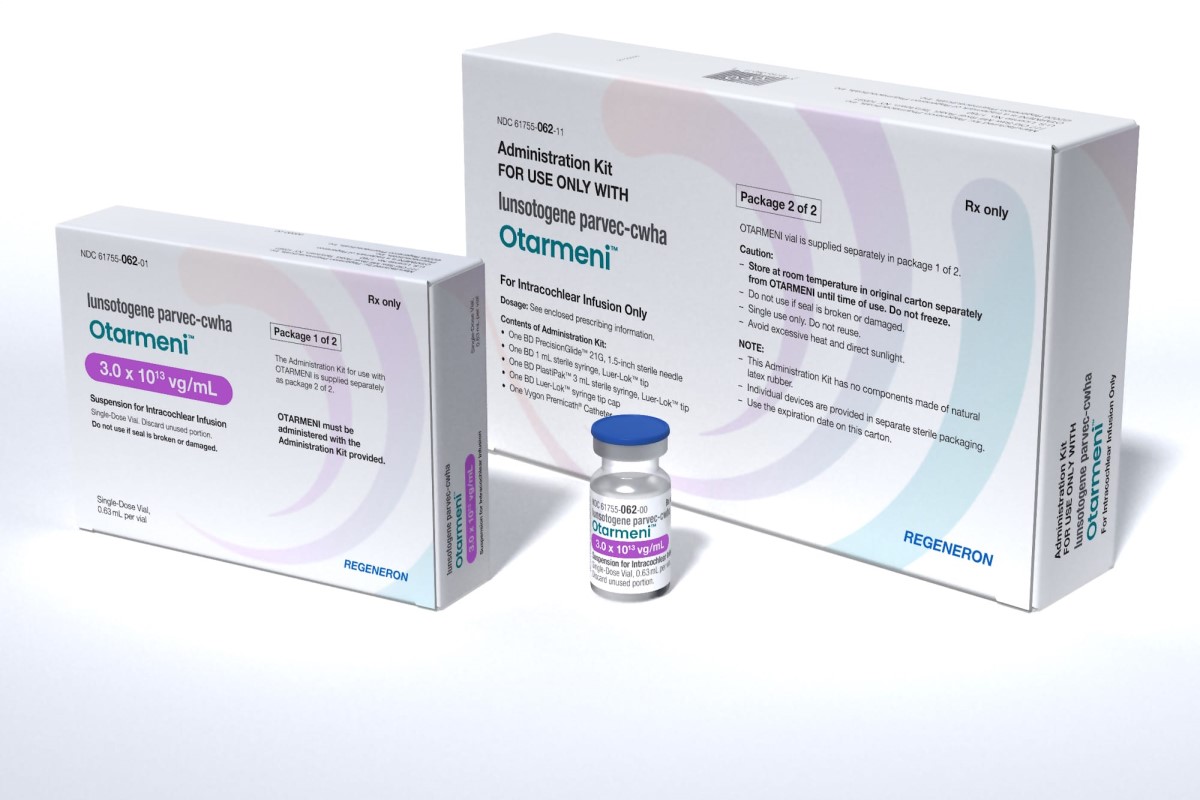
On Apr. 23, 2026, the U.S. Food and Drug Administration (FDA) approved Otarmeni (lunsotogene parvec-cwha), the first-ever dual adeno-associated virus (AAV) vector-based gene therapy. Otarmeni is indicated for the treatment of pediatric and adult patients with severe-to-profound and profound sensorineural hearing loss (any frequency >90 dB HL) associated with molecularly confirmed biallelic variants in the OTOF gene.
Following the publication of powerful results of hearing restoration in the New England Journal of Medicine, the FDA acted swiftly to grant a national priority voucher for an accelerated review. Today’s approval was issued 61 days after BLA filing, marking the sixth approval under the Commissioner’s National Priority Voucher (CNPV) pilot program and the first gene therapy product approved under the program. It is also tied for the fastest BLA approval in modern FDA history. Prior to this approval, no disease modifying treatments existed for OTOF-related deafness. Otarmeni is for patients with preserved outer hair cell function and no prior cochlear implant in the same ear.
Genetic mutations cause about half of congenital hearing loss. Variants in the OTOF gene account for 2% to 8% of inherited, non-syndromic cases. Patients with two nonworking copies do not produce otoferlin, disrupting sound signal transmission. Delayed diagnosis can lead to missed treatment windows and lasting speech and language delays.
Otarmeni and the administration kit are a one time biologic-device combination product. It includes a dual adeno-associated virus serotype 1 (AAV1) vector gene therapy administered as a single dose per ear surgically into the cochlea via a syringe and catheter provided in the Administration Kit and connected to an infusion pump. Otarmeni delivers a functional copy of the OTOF gene to inner hair cells to restore otoferlin production and auditory signaling.
The safety and effectiveness of Otarmeni were based on results from a single, ongoing, multi-center, single-arm (compared to the natural history of untreated HL) clinical trial in 24 pediatric patients aged 10 months to 16 years with OTOF gene-associated severe-to-profound and profound sensorineural hearing loss (any frequency >90 dB HL) with confirmatory evidence including mechanistic nonclinical data and sustained otoferlin protein expression post-Otarmeni administration. Of the 20 patients who were evaluable for efficacy, 80% experienced improved hearing, which is not expected in the natural history of the disease without intervention.
Common side effects included middle ear infection, nausea, dizziness, and procedural pain. Providers should monitor for surgical complications. The therapy is not recommended for patients with anatomy that prevents safe access to the inner ear.
The application was granted orphan drug, rare pediatric disease, fast track, and regenerative medicine advanced therapy (RMAT) designations. The FDA granted accelerated approval of Otarmeni to Regeneron Pharmaceuticals, Inc. Continued approval may be contingent upon assessment of durability of hearing improvement along with verification of treatment effects on clinical measures of speech development and quality of life.
Tags:
Source: U.S. Food and Drug Administration
Credit: