50,000-year-old DNA from South African antelope rewrites limits of ancient DNA preservation
On Jul. 15, 2026, scientists announced recovering ancient DNA from a 50,000-year-old antelope tooth found in South Africa, pushing back the age of the oldest DNA ever retrieved from sub-Saharan Africa. The finding shows that genetic material survives far longer in some African environments than many researchers expected.
The study, published in Quaternary Science Reviews, tested whether ancient DNA and collagen, the main protein in bone, could survive in fossils from southern Africa’s warm climate. Heat usually speeds up DNA decay, which has limited genetic studies across much of the region. As a result, scientists know far less about the genetic history of many African animals and early humans than they do in cooler parts of the world.
The research team examined 320 fossil teeth and bones from six species of wild bovids collected from six South African fossil sites. The remains ranged in age from recent Holocene animals to specimens dating back about 110,000 years. Before sampling, the team created digital records, including photographs and 3D models, to preserve details of every fossil.
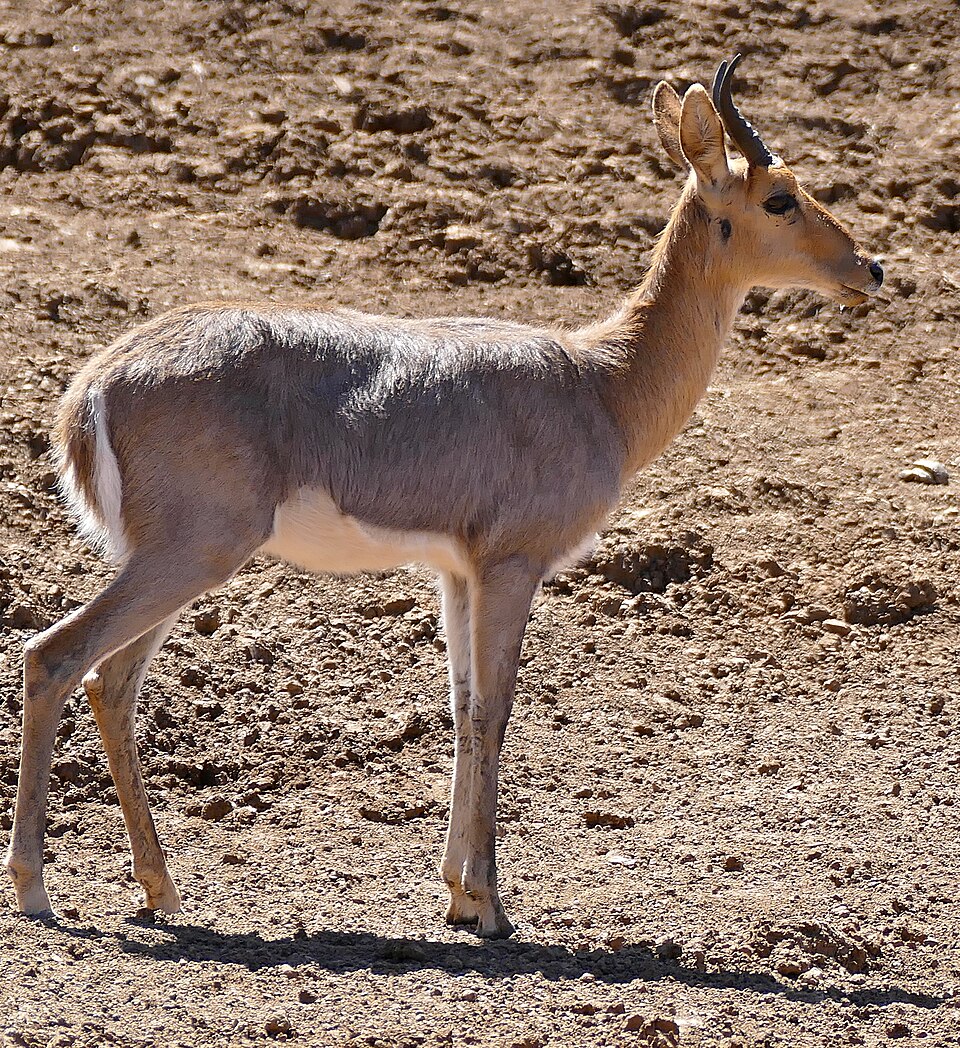
DNA analysis focused on 144 specimens, while 54 were also tested for collagen. DNA survived in about 45 percent of the samples, while collagen was found in 35 percent. Most successful samples came from animals younger than 11,700 years. Four much older fossils from the Late Pleistocene also preserved authentic ancient DNA, showing that genetic material sometimes survives for tens of thousands of years in southern Africa. The oldest sample came from a partial molar belonging to a mountain reedbuck, an African antelope, recovered from Boomplaas Cave. The tooth is about 50,000 years old. The researchers also recovered DNA from three extinct long-horned buffalo that lived between 12,000 and 21,000 years ago.
The team notes that the 50,000-year-old reedbuck result should be viewed with care. The sample contained some modern human DNA contamination, which researchers removed during analysis. The age also stands far beyond the next oldest successful sample, making the result unusual. Even so, later work by the group produced a genome from a 42,000-year-old wildebeest from Ethiopia, adding support to the idea that ancient DNA survives longer in Africa than once believed.
The study found that fossil age played a major role in DNA and collagen survival, although the location where fossils were buried also mattered. Some sites preserved much more DNA than others. Collagen levels matched DNA preservation within individual sites, suggesting protein testing could help researchers identify fossils with the best chance of yielding DNA before destructive sampling. The amount of DNA recovered from the oldest fossils was small, yet still enough to identify evolutionary relationships between species. With more samples, scientists hope to trace how ancient animal populations moved, mixed, and changed across Africa during the last ice age.
The findings raise hopes for future genetic studies of ancient African wildlife and perhaps older human remains from the past 40,000 to 50,000 years. Fossils hundreds of thousands of years old, including Homo naledi, still remain far beyond the likely limits of DNA preservation in Africa’s climate. Even so, the study shows that southern Africa holds far more genetic history than researchers once thought.
Tags:
Source: Archaeology News
Credit: