USDA confirmed detection of avian influenza in dairy cattle in Colorado
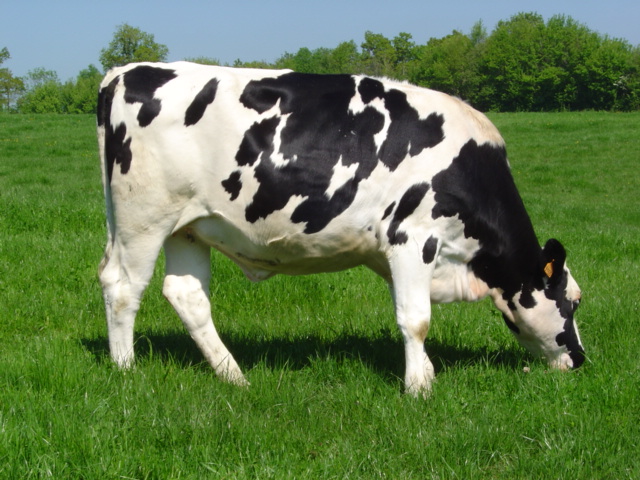
On Apr. 26, 2024, the Colorado Dept. of Agriculture reported that the U.S. Department of Agriculture’s (USDA) National Veterinary Services Laboratory (NVSL) confirmed a detection of Highly Pathogenic Avian Influenza (HPAI) H5N1 in dairy cows in Northeast Colorado. This was the first detection of avian influenza diagnosed in cattle in Colorado. Detections of HPAI in dairy cattle have occurred in eight other states.
On Monday, April 22, the Colorado State Veterinarian’s office received a notification of a dairy herd demonstrating clinical signs consistent with HPAI in cattle. Samples submitted to the Colorado State University Veterinary Diagnostic Laboratory tested presumptive positive for HPAI on April 24, and were confirmed by the USDA’s National Veterinary Services Laboratory on April 25.
USDA and FDA have stated that because commercial milk products are pasteurized before entering the market, at this time there is no concern about the safety of the commercial milk supply, or that pasteurized milk poses a risk to consumer health. Dairy cattle affected by HPAI are reported to have decreased feed intake, decreased milk production, and abnormal colostrum-like milk. Affected cattle appear to recover after supportive care.
The USDA tracks infections in livestock and provides additional resources on their website. Colorado’s HPAI response webpage is regularly updated on the state’s response to the ongoing HPAI outbreak. Additionally, CDA is working with the Colorado Department of Public Health and Environment to provide disease control guidance for people exposed in the outbreak. Colorado has 106 dairies and approximately 200,000 dairy cows.
USDA and FDA have stated that because commercial milk products are pasteurized before entering the market, at this time there is no concern about the safety of the commercial milk supply, or that pasteurized milk poses a risk to consumer health. Pasteurization has continuously proven to inactivate bacteria and viruses in milk.
Tags:
Source: Colorado Dept. of Agriculture
Credit: