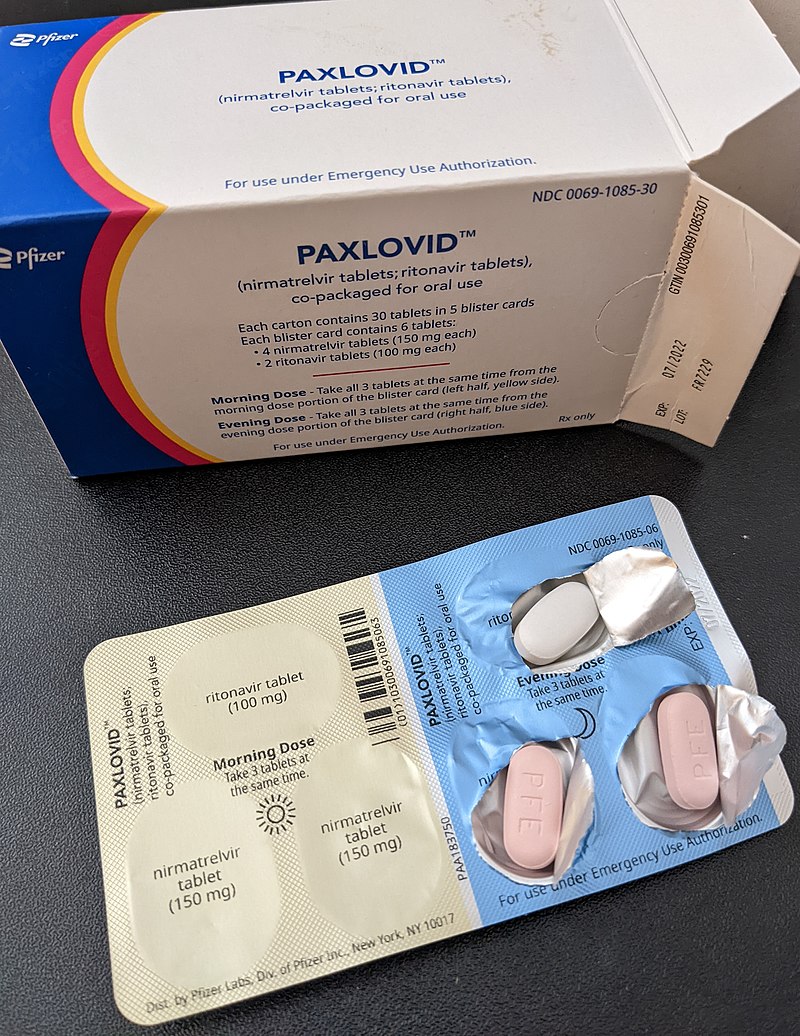
UK Trials Show Paxlovid speeds recovery, but doesn’t reduce hospitalization in vaccinated patients
On Apr. 23, 2026. two national trials published in the New England Journal of Medicine report Paxlovid (nirmatrelvir-ritonavir) does not reduce hospital admissions or deaths in vaccinated adults at higher risk of severe COVID-19, despite helping them recover faster. With COVID-19 still causing significant illness and death, clinicians urgently need to know which patients benefit most from early antiviral treatment.
The findings, from 4,232 participants across the two trials, help clarify who should receive Paxlovid now that widespread vaccination has dramatically reduced the risk of severe outcomes. The UK PANORAMIC trial, funded by the National Institute for Health and Care Research (NIHR) and led from the University of Oxford, enrolled 3,516 participants with COVID-19 across its Paxlovid arm (April 2022–March 2024).
The Canadian CanTreatCOVID trial, led by Dr Andrew Pinto, director of Upstream Lab (Unity Health Toronto), enrolled 716 participants (January 2023–September 2024). Both trials recruited adults aged 50 or over, or younger adults with additional conditions such as diabetes or asthma. Over 98% of all participants were vaccinated.
Paxlovid was approved in 2021 based on trials showing an 88% reduction in hospitalisation or death among unvaccinated high-risk adults. The two new trials tested the drug in mostly vaccinated higher-risk patients – a population very different from the one in which Paxlovid was originally studied. In May 2025, the National Institute for Health and Care Excellence (NICE) restricted routine NHS use to a narrower ‘highest-risk’ cohort (e.g. transplant recipients, severe liver disease), citing cost-effectiveness concerns.
Across multiple treatments, the trial recruited over 29,000 participants. To complement recruitment through general practices, the Primary Care Clinical Trials Unit pioneered remote participation methods – online consent, medication dispatched through its in-house dispensing facility, and self-collected samples – removing many traditional barriers to taking part and thus ‘democratising trials research.
Participants taking Paxlovid recovered substantially sooner. In PANORAMIC, median recovery time was 14 days with Paxlovid compared to 21 days with usual care. CanTreatCOVID found recovery at 6 days versus 9 days, respectively, but measures recovery in a slightly different way. Paxlovid also significantly reduced viral load by day 5, which may have implications for reduced opportunity for spread.
The safety profile matched what is already known about Paxlovid. In PANORAMIC, 90.4% reported at least one side effect – predominantly altered taste (dysgeusia) and gastrointestinal symptoms typical for this drug – with around 8% discontinuing treatment because of side effects. Serious adverse events remained rare in both groups.
Tags:
Source: American Association for the Advancement of Science
Credit: