Roche developed new serology test to detect COVID-19 antibodies
On Apr. 17, 2020, Roche announced the development and upcoming launch of its Elecsys Anti-SARS-CoV-2 serology test to detect antibodies in people who have been exposed to the Severe Acute Respiratory Syndrome Coronavirus 2 (SARS-CoV-2) that causes the COVID-19 disease.
Antibody testing is central to help identify people who have been infected by the virus, especially those who may have been infected but did not display symptoms. Additionally, the test can support priority screening of high risk groups, such as healthcare workers, food supply workers who might already have developed a certain level of immunity and can continue serving and/or return to work. Once we understand more about the immunity of COVID-19, it could also help society return faster to normality.
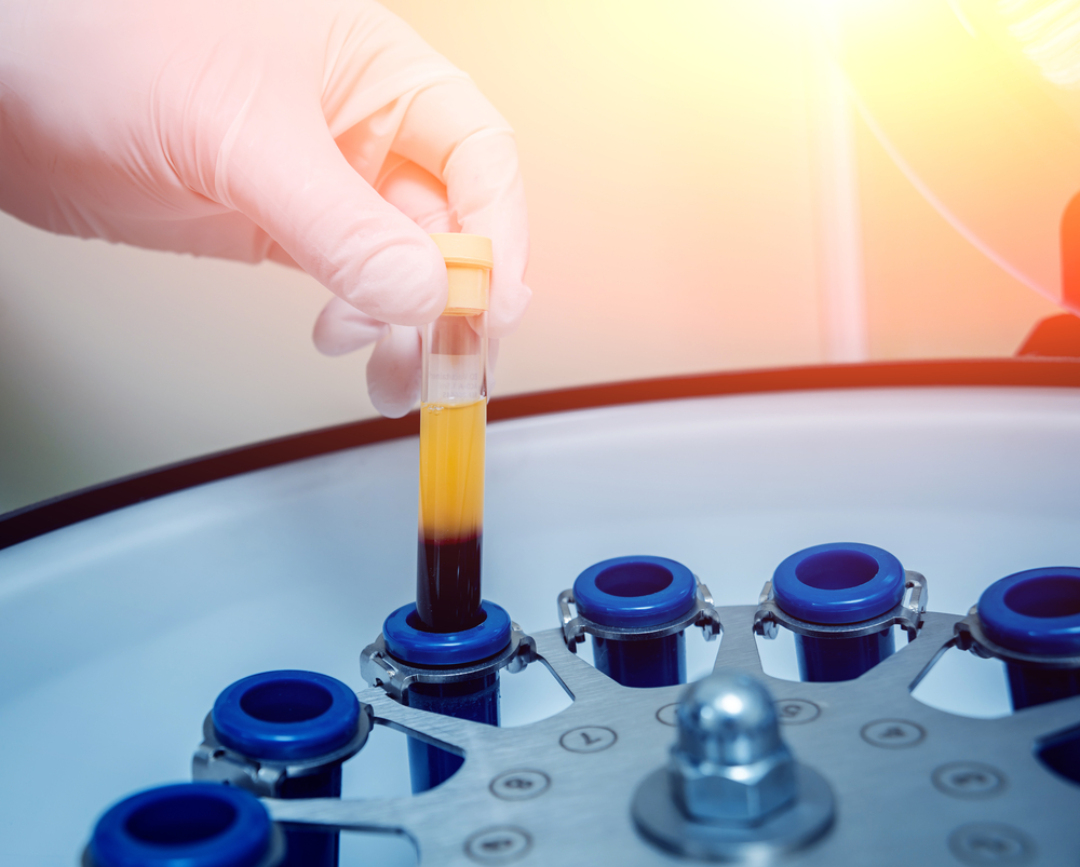
The Elecsys Anti-SARS-CoV-2 immunoassay is an in vitro test, using human serum and plasma drawn from a blood sample, to detect antibodies and determine the body’s immune reaction to SARS-CoV-2. The test may be used in epidemiological research to help better understand the spread of the disease and may also be used together with molecular tests to aid in the diagnosis of suspected COVID-19 patients. Hospitals and reference laboratories can run the test on Roche’s cobas e analysers, which are widely available in laboratories around the world.
Roche aims to have the antibody test available by early May in countries accepting the CE mark and is actively working with the FDA for an Emergency Use Authorisation. Roche is planning on an accelerated ramp up of monthly production to high double-digit million tests by June and will further scale up production as fast as possible.
Coronaviruses (CoV) are a large family of viruses that cause illness ranging from the common cold to more severe diseases such as Middle East Respiratory Syndrome (MERS-CoV) and Severe Acute Respiratory Syndrome (SARS-CoV). The novel coronavirus (SARS-CoV-2) is a new strain which has not previously been identified in humans.
Tags:
Source: Roche
Credit: