Researchers at UGA’s Center for the Ecology of Infectious Diseases received a $16 million grant to study tropical diseases
On Oct. 30, 2019, researchers at the University of Georgia’s Center for the Ecology of Infectious Diseases received a $1.6 million grant from the National Science Foundation (NSF) to study the tropical diseases cutaneous leishmaniasis and Chagas disease.
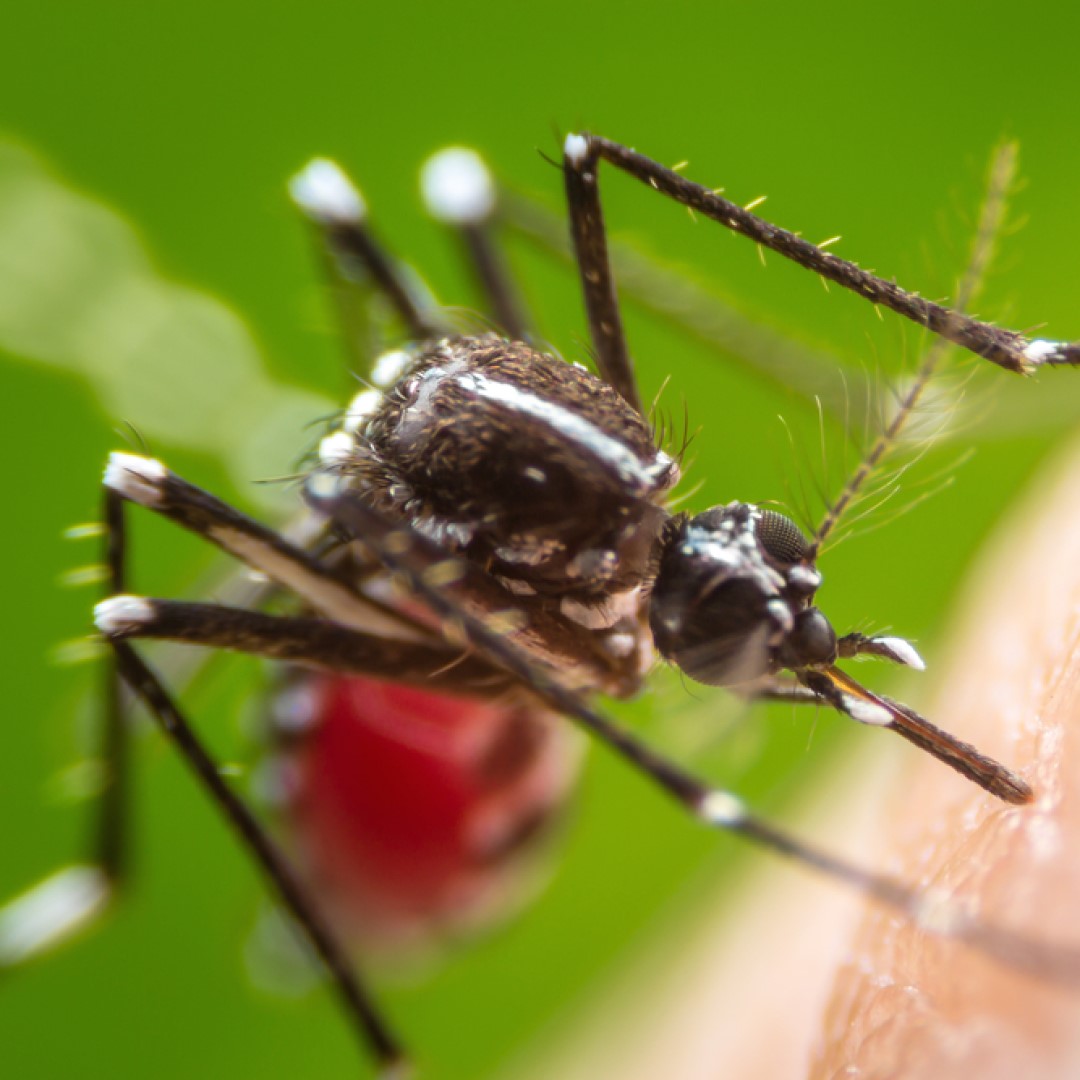
Vector-borne diseases—those transmitted by biting insects like mosquitoes and ticks—pose a significant health threat to more than half of the world’s population. Finding ways to control these diseases—many of which are zoonotic, meaning they can spread among wildlife, domestic animals and humans—requires understanding the ecological and social contexts in which they occur.
Chagas disease infects an estimated 10 million people and is a leading cause of cardiac morbidity and mortality in Latin America. Cutaneous leishmaniasis causes disfiguring sores and is treated with expensive and potentially toxic medicines.
The project is funded by a three-year $1.6 million Dynamics of Integrated Socio-Environmental Systems grant from the National Science Foundation. Results have the potential to inform public health policy in affected communities, potentially reducing the health burden for these costly, chronic diseases, as well as lowering the risk for northward advance of the disease ranges. The approaches developed by this research may apply to other emerging infectious diseases as well.
UGA’s award will unite an interdisciplinary and international team of ecologists, veterinarians and anthropologists with scientists from the parasitology department of the Gorgas Memorial Institute of Health Studies in Panama. Researchers will develop a new mathematical framework for studying how deforestation and reforestation, and associated human activities such as yard management and vector control, impact zoonotic infectious diseases. Mathematical models will be integrated with field data on parasite exposure and environmental conditions to demonstrate how land use change affects parasite transmission.
Researchers will also investigate how people perceive their personal health risks and how changes in human behavior affect environmental management practices, public health policy and attitudes toward land use change.
This project will benefit from UGA’s strengths in environmental and ecological anthropology and zoonotic vector-borne diseases, existing relationships with Panamanian collaborators, and with CEID serving as a dedicated hub for interdisciplinary research related to disease ecology. CEID’s 72 member scientists have expertise in infectious disease modeling and both experimental and field-based research.
Tags:
Source: UGA Today
Credit: