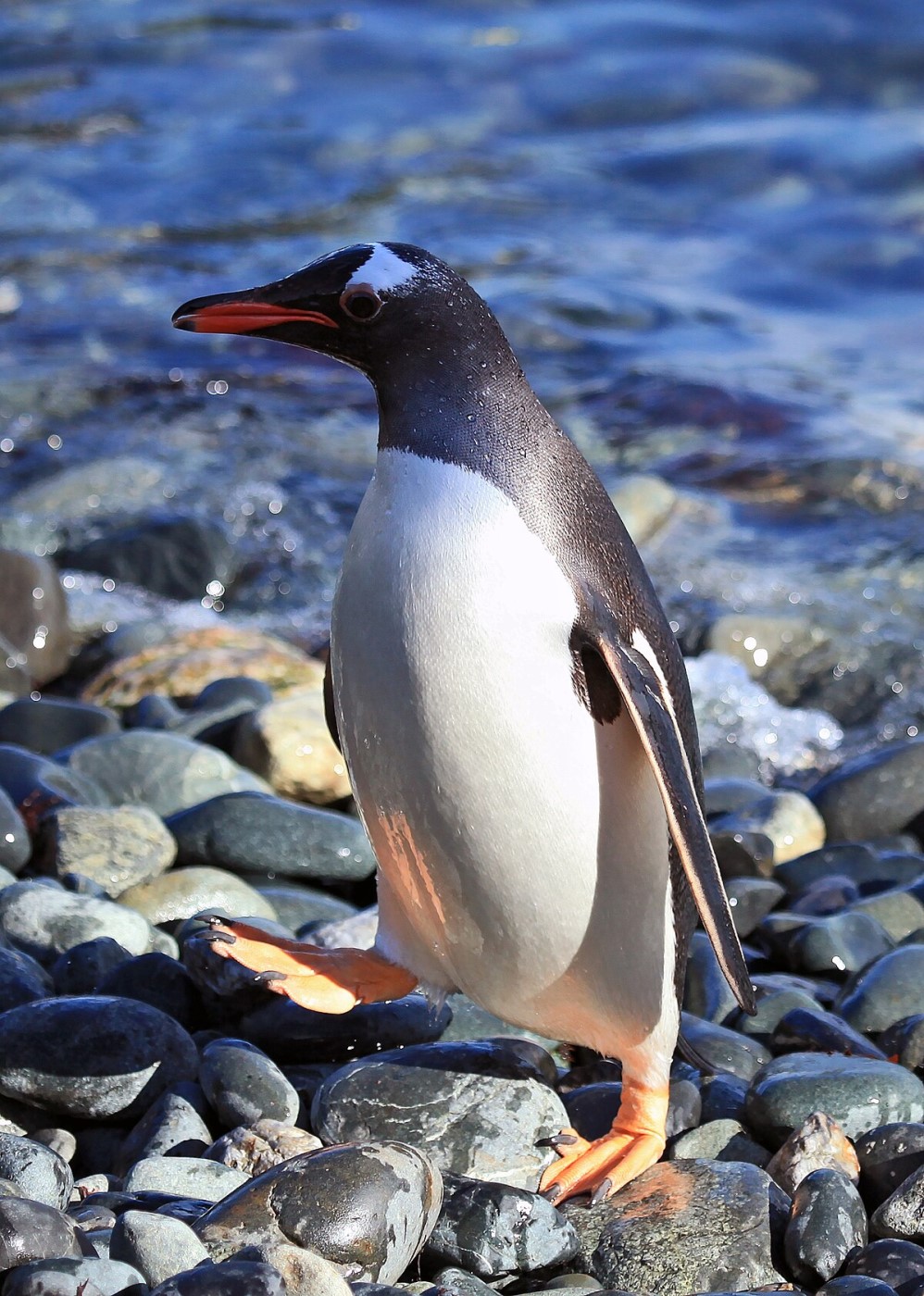
Penguins tested positive for Avian Flu on South Georgia
On Mar. 11, 2024, the British Antarctic Survey (BAS) reported that penguins on the sub-Antarctic Islands of South Georgia had tested positive for Avian flu. This was the first time the virus had been detected in gentoo and king penguin populations on the islands. HPAI was first detected in brown skuas at Bird Island, South Georgia in October 2023.
Several individual penguins have tested positive for High Pathogenicity Avian Influenza (HPAI), including five king penguins from Will point, on the north east coast of the islands, and five gentoo penguins from nearby Bird Island.
South Georgia is a haven for wildlife and research programmes are in place to study the penguins, seals and seabirds that live there. HPAI was first detected in brown skuas at Bird Island, South Georgia in October 2023. In early 2024, cases were confirmed in populations of elephant seals and fur seals. Antarctic terns and wandering albatross later tested positive. However, effects of infection appear to remain highly localised.
In early 2024, cases were confirmed in populations of elephant seals and fur seals. Antarctic terns and wandering albatross later tested positive. However, effects of infection appeared to remain highly localised.
South Georgia has some of the most closely monitored seabird colonies in the world, equipping scientists and conservationists with indicators of change for species. BAS and GSGSSI are working closely with DEFRA’s Animal Plant Health Agency (APHA) to monitor and control the spread of the disease and to understand the impact on the region’s wildlife.
Tags:
Source: British Antarctic Survey
Credit: