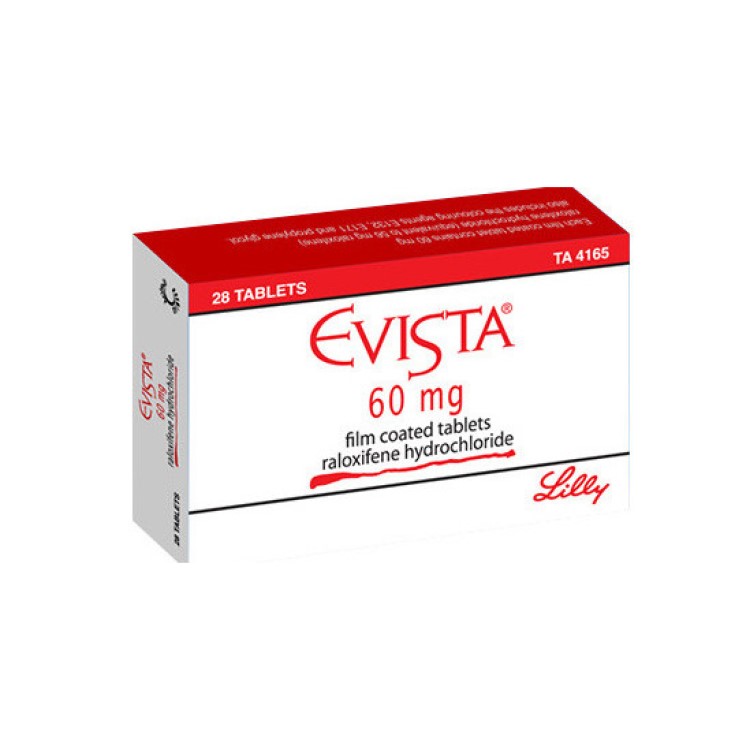
Osteoporosis drug shown to be as effective as Tamoxifen in preventing invasive breast cancer
On Apr. 17, 2006, the National Cancer Institute (NCI) announced initial results of the Study of Tamoxifen and Raloxifene, or STAR, showed that the drug raloxifene, used to prevent and treat osteoporosis in postmenopausal women, worked as well as tamoxifen in reducing breast cancer risk for postmenopausal women at increased risk of the disease. Researchers with the National Surgical Adjuvant Breast and Bowel Project (NSABP) are conducting the study at more than 500 centers across the United States, Canada, and Puerto Rico. The study is funded primarily by the National Cancer Institute (NCI) – part of the National Institutes of Health. NCI is the U.S. Government’s main agency for cancer research.
Women at increased risk of developing breast cancer, who had gone through menopause, and were at least 35 years old took part in STAR. STAR began enrolling participants in 1999. Enrollment was closed on November 4, 2004, with 19,747 women recruited.
All STAR participants had to have an increased risk of breast cancer equivalent to or greater than that of an average 60- to 64-year-old woman. In that age group, 1.66 percent of women — or about 17 of every 1,000 women — would be expected to develop breast cancer within five years. The average risk of breast cancer in the women who chose to enter STAR was about twice as high as this minimum risk.
In STAR, both drugs reduced the risk of developing invasive breast cancer by about 50 percent. In addition, within the study, women who were prospectively and randomly assigned to take raloxifene daily, and who were followed for an average of about four years, had 36 percent fewer uterine cancers and 29 percent fewer blood clots than the women who were assigned to take tamoxifen. Uterine cancers, especially endometrial cancers, are a rare but serious side effect of tamoxifen. Both tamoxifen and raloxifene are known to increase a woman’s risk of blood clots.
The initial results of STAR showed that raloxifene and tamoxifen were equally effective in reducing invasive breast cancer risk in postmenopausal women at increased risk of the disease after an average of 47 months. After an average of 81 months, (5 years of medication and 21 months of followup) women in the tamoxifen group had 247 cases of invasive breast cancer in 9,736 women and women in the raloxifene group had 310 cases of invasive breast cancer in 9,754 women. This means that in raloxifene reduces risk of invasive breast cancer by about 38 percent compared to tamoxifen reducing breast cancer by about 50 percent over almost 7 years; or, raloxifene is about 76 percent as effective as tamoxifen in reducing risk for invasive breast cancer over almost 7 years.
Tags:
Source: National Cancer Institute
Credit: