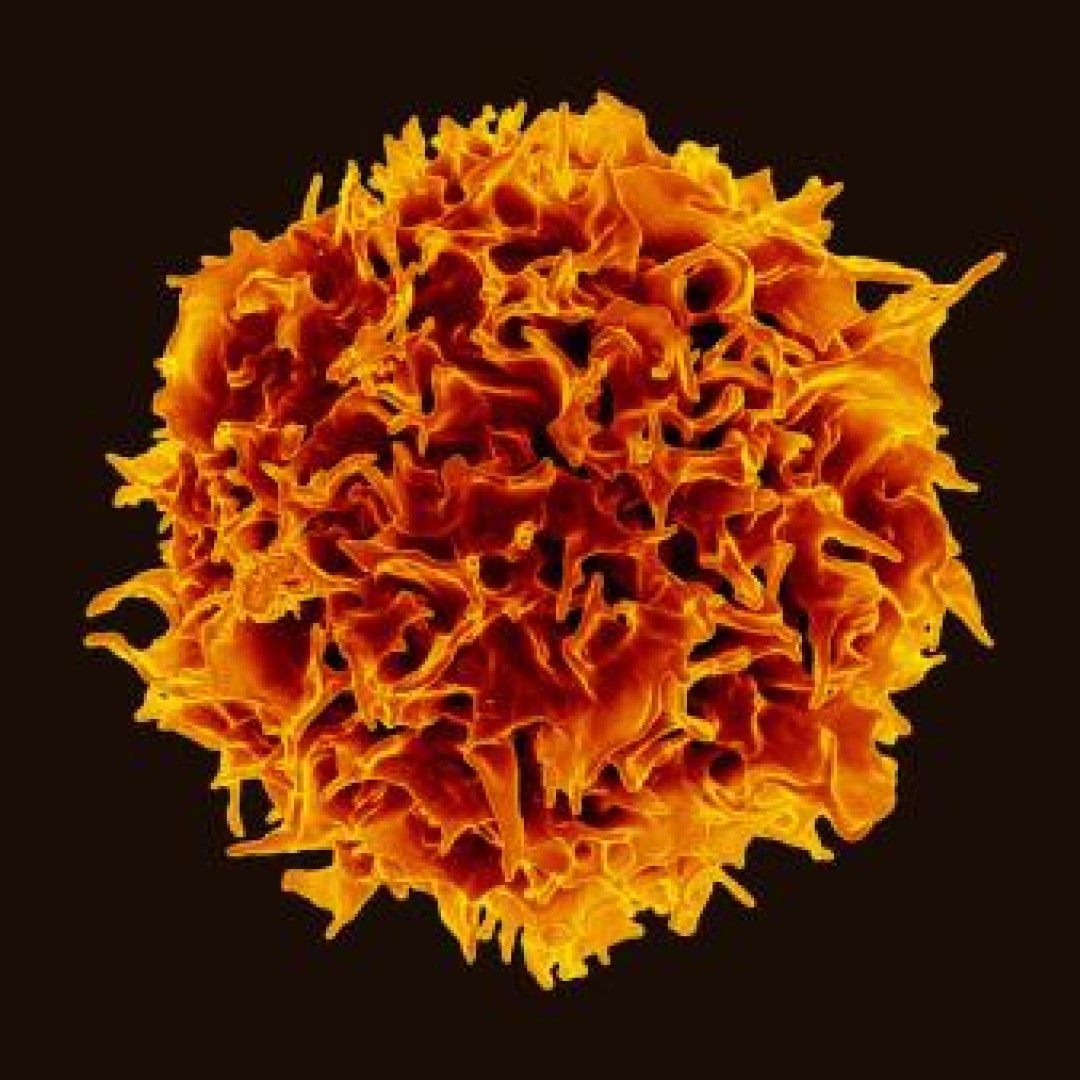
NIH researchers uncovered new details on rare immune disease
On May 3, 2023, National Institutes of Health (NIH) scientists announced that they had uncovered new details on idiopathic CD4 lymphocytopenia (ICL), a rare immune deficiency that leaves people vulnerable to infectious diseases, autoimmune diseases and certain types of cancer. ICL is a condition marked by too few CD4+ T cellsラa type of white blood cell. There is no evidence that ICL is transmitted from person to person, and it has no known cause. The study was published in the New England Journal of Medicine.
In this observational study, the NIAID researchers quantified immune cells and noted the presence of opportunistic infections—infections that typically only affect people with suppressed immune systems—and other clinical conditions among 91 participant volunteers with ICL. The most prevalent opportunistic infections were human papillomavirus-related diseases (in 29% of participants), cryptococcosis (24%), molluscum contagiosum (9%), and mycobacterial diseases other than tuberculosis (5%). Participants with CD4+ T-cell counts below 100 cells per mm³ had a more than five-fold higher risk of opportunistic infections than those with CD4+ T-cell counts above 100 cells. Cancer risk was also higher in individuals with the lowest CD4+ T-cell counts, but the risk of autoimmune disease was lower.
These findings further support the inverse correlation between CD4+ T-cell count and susceptibility to viral, fungal, and mycobacterial infections, as well as certain cancers, according to the authors. NIAID continues to pursue research on the natural history of rare conditions such as ICL to understand disease progression, as well as potential therapeutic interventions.
Tags:
Source: National Institute of Allergy and Infectious Diseases
Credit: