Hundreds of new primate genomes offer window into human health and our past
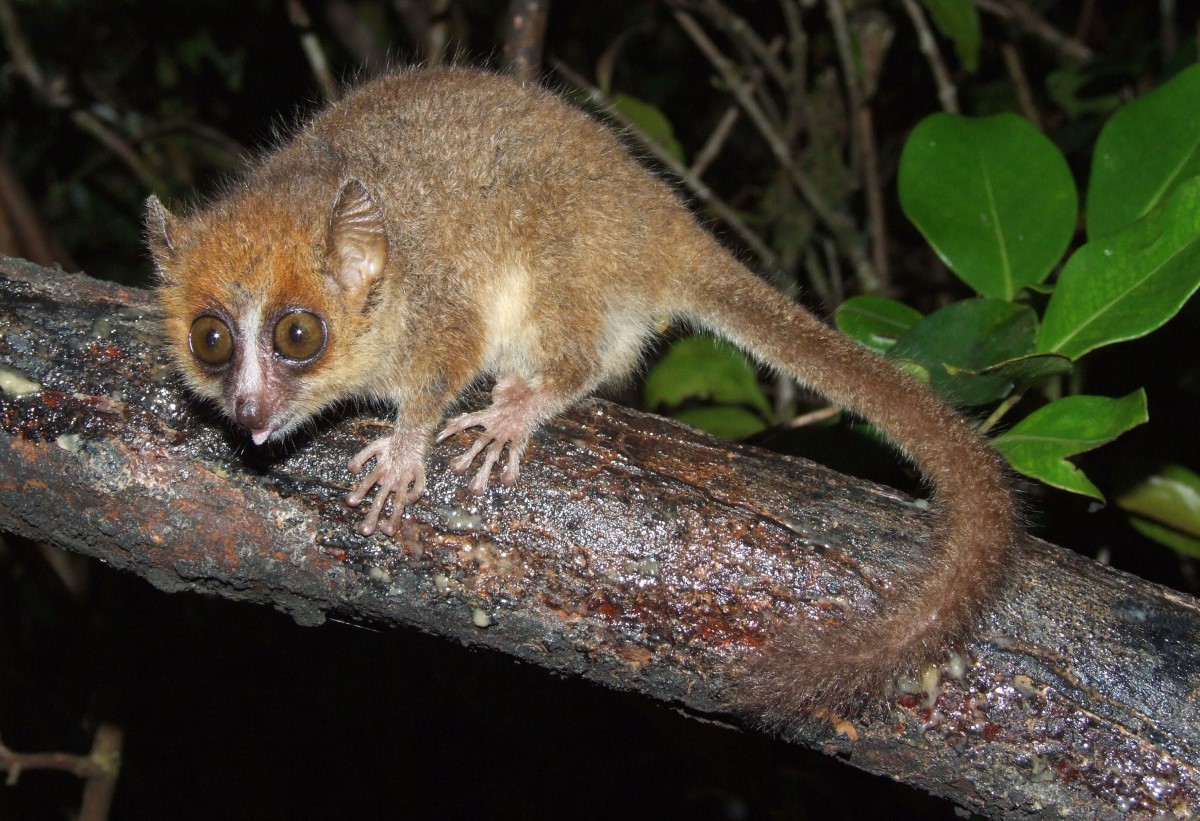
On Jun. 1, 2023, two international teams announced they have sequenced the genomes of more than 200 nonhuman primates, from palm-size mouse lemurs to 200-kilogram gorillas, they have come up with clues to human health and disease, and to the origin of our species.
The genomes and their analyses, reported in Science and Science Advances, represent a massive effort involving more than 100 researchers from about 20 countries who braved logistical challenges and bureaucratic gauntlets to collect blood samples from some 800 wild and captive primates. The resulting data show how knowing a primate’s genetic diversity could improve the odds of saving highly endangered species.
But our own species could also benefit. One team used the genomes to train a machine learning tool that could assess whether human genetic variants are likely to cause disease. And both explored the complexity of primates’ evolution, shedding light on our own. “This massive sample will ultimately spark new and unexpected research directly relevant to human origins,” says Luis Darcy Verde Arregoitia, a mammalogist at the Mexico Institute of Ecology who was not involved with either group.
The bigger of the two genome efforts was spearheaded not by a primatologist or evolutionary biologist, but a clinical geneticist at the DNA-sequencing company Illumina. For Kyle Farh, like many in medicine, the genomics revolution has been a source of frustration as well as hope. Human gene sequencing has turned up myriad variants of individual genes that might explain diseases or treatments. But human genetics alone often can’t tell whether a variant is medically relevant.
Already the genomes have revealed an important role in evolution for hybridization, once thought to be rare. In one Science paper, Wu and his colleagues show that the critically endangered gray snub-nosed monkey, which is endemic to mountains in south-central China, arose after the golden snub-nosed monkey mated with the ancestors of two other species in that genus, Rhinopithecus. Moreover, one of the three groups of macaques arose through hybridization between the other two, about 3.5 million years ago, they report in Science Advances.
The other consortium, led by Jeffrey Rogers at Baylor College of Medicine, also found signs of rampant hybridization in the DNA of 225 wild baboons from multiple species, which conservation biologist Julius Keyyu at the Tanzania Wildlife Research Institute helped obtain and analyze. “This work provides a potential analog to recent human evolution,” notes Eleanor Scerri, an evolutionary archaeologist at the Max Planck Institute of Geo anthropology. Increasing evidence shows that intermingling once occurred among various hominids—Neanderthals, modern humans, Denisovans, and maybe others—tens of thousands of years ago.
The primates that are delivering these insights are themselves under threat from habitat destruction and other human activity. But a surprising finding from the studies could aid efforts to save them. Normally a population crash in a species also narrows its genetic diversity, thanks to inbreeding among the survivors. Yet all but 15 primate species sequenced by the team still had relatively high genetic diversity—higher than humans. That was true even in extremely endangered ones such as the northern sportive lemur (Lepilemur septentrionalis) of which only 40 are known to exist, all within 12 square kilometers of Madagascar.
Tags:
Source: American Association for the Advancement of Science
Credit: