Bristol Myers and Rockefeller University announced license agreement for SARS-CoV-2 meutralizing mAb combination
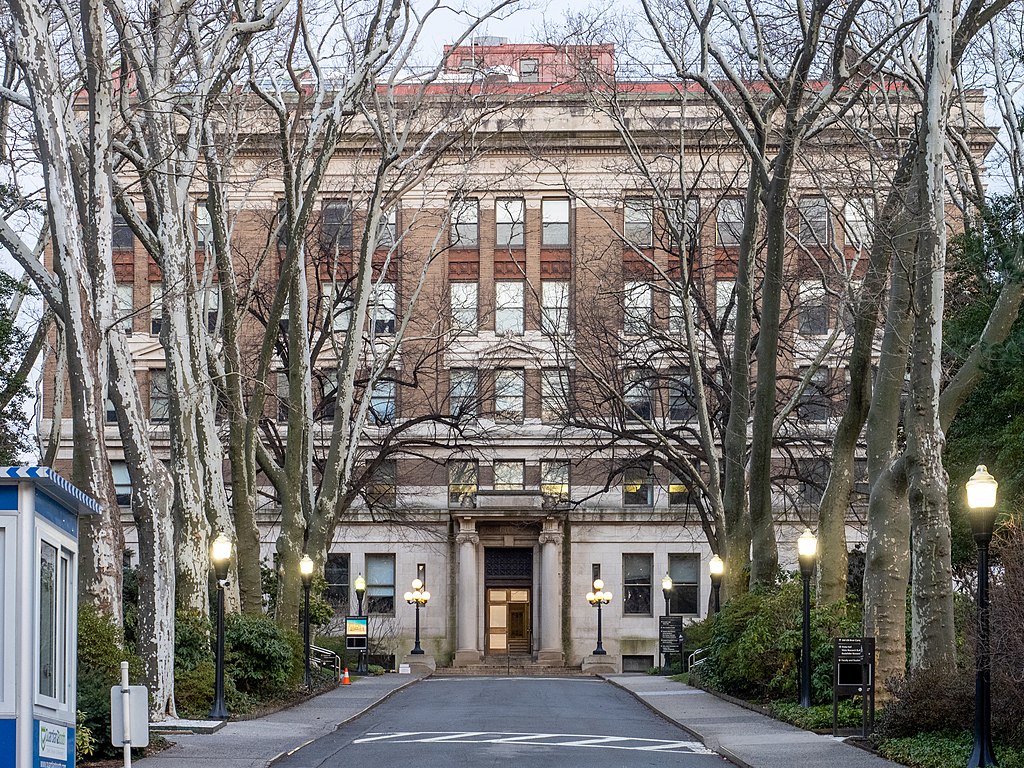
On Feb. 3, 2021, Bristol-Myers and The Rockefeller University announced an agreement under which Bristol Myers Squibb was granted a global exclusive license to develop, manufacture and commercialize Rockefeller’s novel monoclonal antibody (‘mAb’) duo treatment that neutralizes the SARS-CoV-2 virus for therapy or prevention of COVID-19.
Despite the increasing availability of the vaccines, there will continue to be patients who contract COVID-19 and will need treatment for their infection. This novel treatment is a combination of two mAbs directed at blocking the SARS-CoV-2 spike protein and neutralizing the virus. The mAbs have been engineered to be highly potent and stable, allowing them to last longer in the bloodstream. Preclinical data suggest that this could enable effective treatment against multiple variants of the virus using a low dose subcutaneous administration, which would increase access to the medicine by eliminating the need for intravenous infusion.
Ultimately, should the clinical development be successful, these advantages could potentially help expand access globally, including to low- and middle-income countries and to communities where healthcare resources are limited—a goal that both institutions will jointly work towards.
Phase 1 clinical trials to assess dosing for IV and subcutaneous formulations, and to assess safety for the mAb duo, were initiated by Rockefeller in mid-January. Planning is underway with the goal of moving rapidly to a registrational program following readout of the phase 1 study taking place at Rockefeller University Hospital.
Included in the terms of the agreement, Rockefeller is entitled to receive royalty payments on future sales. Should the clinical development be successful, Bristol Myers Squibb will work to enable availability and affordability of this potential treatment to patients globally.
Tags:
Source: Bristol-Myers Squibb Company
Credit: