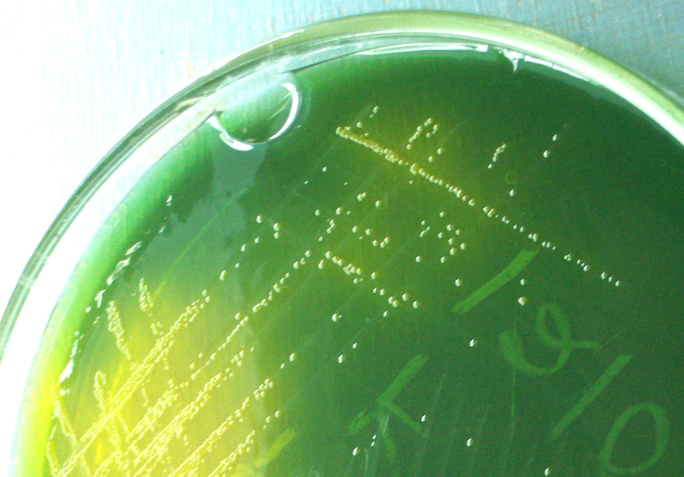
WHO warned of deadly cholera outbreak in Lebanon as cases increase
On Oct. 6, 2022, the World Health Organization announced the first cholera outbreak in nearly three decades in Lebanon by the Ministry of Public Health and was currently spreading to every governorate in the country. Since the first case was confirmed on 5 October 2022, over 1400 suspected cases have been reported across the country, including 381 laboratory-confirmed cases and 17 deaths.
While the outbreak was initially confined to northern districts, it rapidly spread, with laboratory-confirmed cases now reported from all eight governorates and 18 out of 26 districts. Serotype Vibrio cholerae O1 El-Tor Ogawa was identified as the currently circulating cholera strain, similar to the one circulating in Syria.
WHO is joining with the Ministry of Public Health and other health partners to curb the evolving cholera outbreak. For instance, WHO and other humanitarian partners have supported the Ministry to develop a national cholera preparedness and response plan, outlining the most urgent response interventions required, while scaling up surveillance and active case-finding in hotspot areas.
Given the shortage of both health staff and medical supplies in the country, WHO has provided the two reference laboratories, three prisons and 12 hospitals designated for cholera treatment with laboratory reagents, treatment kits and rapid diagnostic tests, and deployed nurses and doctors as surge capacity to hospitals in the most affected areas. The procurement and prepositioning of additional cholera supplies are being also finalized.
Additionally, WHO is ensuring that proper clinical management practices, infection prevention and control, and cholera testing protocols are in place for the adequate referral of cases to the needed level of care. Over the past few weeks, WHO has supported a series of training sessions at central and peripheral levels to improve the early detection and reporting of suspected cases, enhance clinical management and raise awareness among the public and frontline health workers on cholera prevention and control.
Despite global shortages in cholera vaccine, WHO is supporting the Ministry of Public Health to secure 600,000 doses of cholera vaccine for the most vulnerable populations, including frontline workers, prisoners, refugees and their host communities. Additional efforts to ensure more doses are ongoing given the rapid spread of the outbreak.
The vulnerability of people in Lebanon is being exacerbated by the prolonged difficult economic conditions and limited access to clean water and proper sanitation across the country. The migration of health care workers, disrupted supply chains and unaffordable energy supply have severely weakened the response capacity of hospitals and primary health care facilities, which are now threatened by the growing outbreak and increasing caseloads.
Tags:
Source: World Health Organization
Credit: