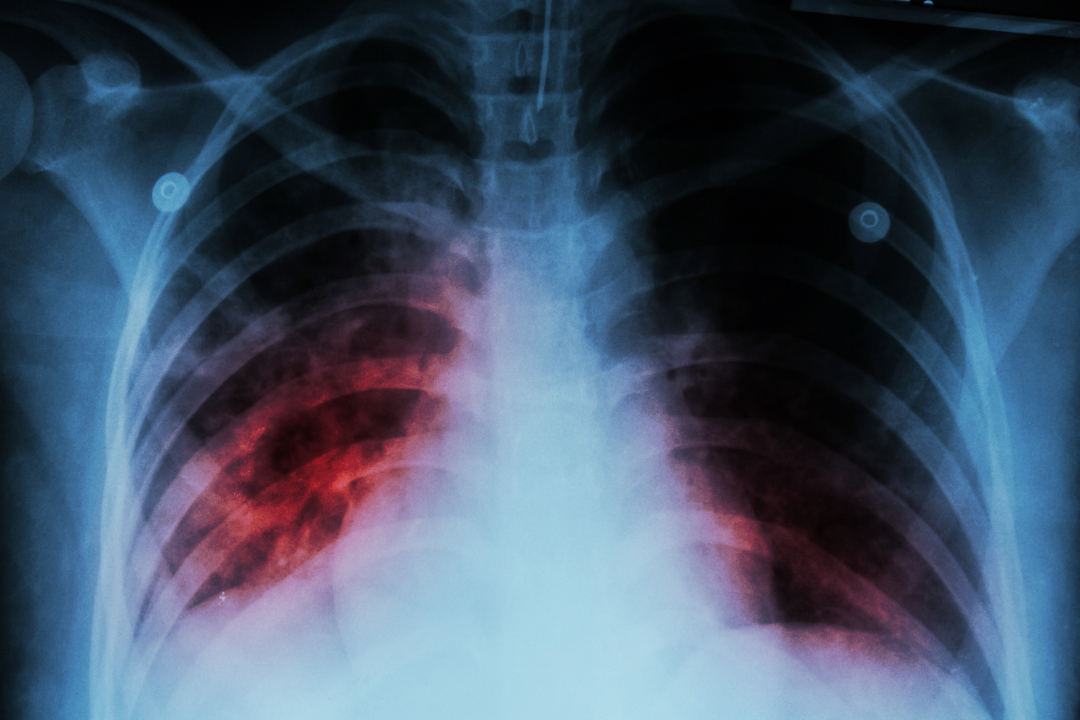
Tuberculosis deaths and disease increased during the COVID-19 pandemic
On Oct. 27, 2022, the World Health Organization (WHO) reported that an estimated 10.6 million people fell ill with tuberculosis (TB) in 2021, an increase of 4.5% from 2020, and 1.6 million people died from TB (including 187 000 among HIV positive people), according to the World Health Organization’s 2022 Global TB report.
The burden of drug-resistant TB (DR-TB) also increased by 3% between 2020 and 2021, with 450 000 new cases of rifampicin-resistant TB (RR-TB) in 2021.This is the first time in many years an increase has been reported in the number of people falling ill with TB and drug resistant TB. TB services are among many others disrupted by the COVID-19 pandemic in 2021, but its impact on the TB response has been particularly severe. Ongoing conflicts across Eastern Europe, Africa and the Middle East have further exacerbated the situation for vulnerable populations.
Continued challenges with providing and accessing essential TB services have meant that many people with TB were not diagnosed and treated. The reported number of people newly diagnosed with TB fell from 7.1 million in 2019 to 5.8 million in 2020. There was a partial recovery to 6.4 million in 2021, but this was still well below pre-pandemic levels.
Reductions in the reported number of people diagnosed with TB suggest that the number of people with undiagnosed and untreated TB has grown, resulting first in an increased number of TB deaths and more community transmission of infection and then, with some lag-time, increased numbers of people developing TB.
The number of people provided with treatment for RR-TB and multidrug-resistant TB (MDR-TB) has also declined between 2019 and 2020. The reported number of people started on treatment for RR-TB in 2021 was 161 746, only about one in three of those in need.
The report notes a decline in global spending on essential TB services from US$6 billion in 2019 to US$5.4 billion in 2021, which is less than half of the global target of US$13 billion annually by 2022. As in the previous 10 years, most of the funding used in 2021 (79%) was from domestic sources. In other low- and middle-income countries, international donor funding remains crucial. The main source is the Global Fund to Fight AIDS, Tuberculosis and Malaria (the Global Fund). The United States Government is the largest contributor of funding to the Global Fund and is also the largest bilateral donor; overall, it contributes close to 50% of international donor funding for TB.
The report reiterates its call for countries to put in place urgent measures to restore access to essential TB services. It further calls for increased investments, multisectoral action to address the broader determinants that influence TB epidemics and their socioeconomic impact as well as the need for new diagnostics, drugs and vaccines. To intensify vaccine development, building on lessons from the pandemic, WHO will be convening a high-level summit in early 2023.
Tags:
Source: World Health Organization
Credit: