Possible case of deer-to-human SARS-CoV-2 transmission
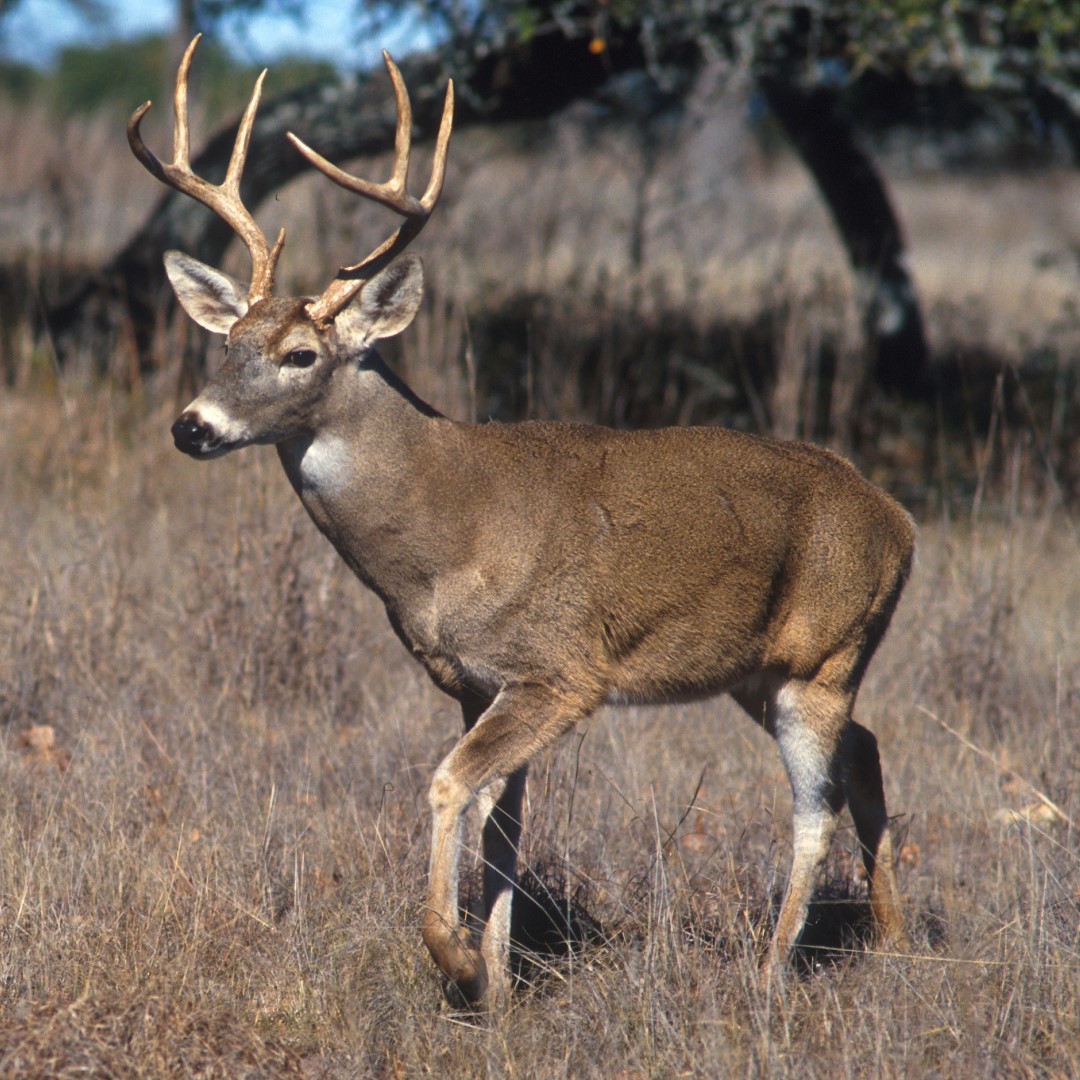
On Mar. 3, 2022, a study carried out in southwestern Ontario identified a highly mutated variant of SARS-CoV-2 in local populations of white-tailed deer (Odocoileus virginianus) and found evidence that it might have infected a person in the area.
The white-tailed deer (Odocoileus virginianus) is a common North American ungulate that is susceptible to SARS-CoV-2. An experimental study reported that deer develop subclinical infection. A subsequent study found that 40% of free-ranging deer sampled in Michigan, Illinois, New York and Pennsylvania, United States were positive for SARS-CoV-2 antibodies.
Transmission of SARS-CoV-2 among deer, and multiple spillovers from humans to deer, have also been reported. So far, most of the SARS-CoV-2 isolated and reported in deer has been similar to lineages circulating among humans in the same region, which has led to proposal of multiple, recent, spillover events. Also, a divergent Alpha-like virus has been reported in deer, providing some evidence of sustained transmission in deer.
Persistence of SARS-CoV-2 in wild animals might conceivably result in viral evolution through adaptation to the animal host. Although virus isolates that are circulating in animals may become less fit for humans, a risk of future emergence into the human population, with unknown consequences, remains.
The study was published in the Scientist.
Tags:
Source: U.S. National Library of Medicine
Credit: