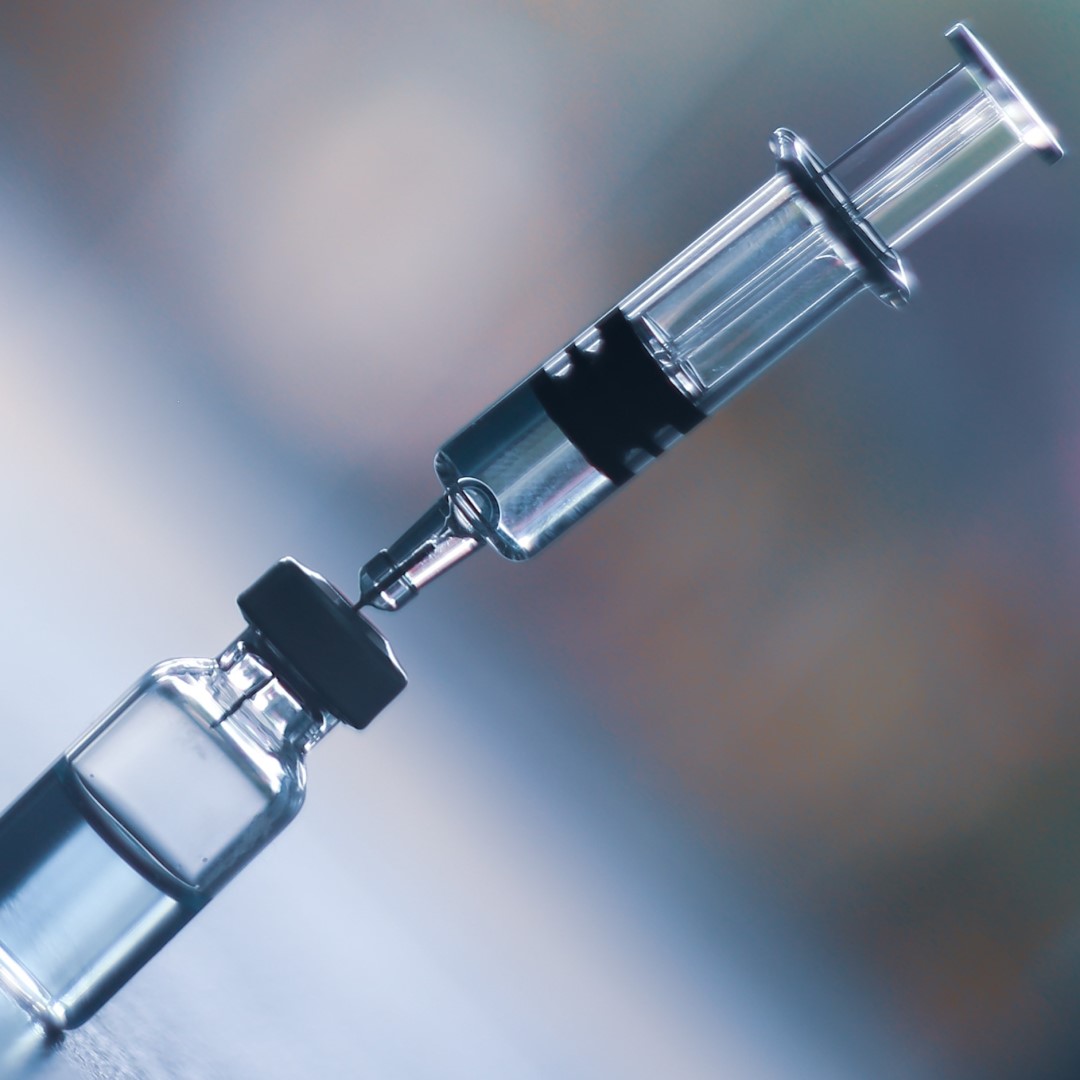
Anixa Biosciences announced patient dosing of investigational vaccine candidate in first-of-its-kind preventative breast cancer vaccine study
On Oct. 26, 2021, Anixa Biosciences announced that, in conjunction with its partner, Cleveland Clinic, it had commenced dosing of patients for a novel study of its vaccine that being investigated for preventing triple-negative breast cancer, the most aggressive and lethal form of the disease. Anixa has a worldwide, exclusive license to the vaccine technology originating from Cleveland Clinic.
Funded by the U.S. Department of Defense, the new study was a multiple-ascending dose Phase 1 trial to determine the maximum tolerated dose of the vaccine in patients with early-stage, triple-negative breast cancer as well as monitor immune response. The study was conducted at Cleveland Clinic and consisted of 18 to 24 patients who have completed treatment for early-stage, triple-negative breast cancer within the past three years and are currently tumor-free but at high risk for recurrence. During the course of the study, participants received three vaccinations, each two weeks apart, and will be closely monitored for side effects and immune response. The study was estimated to be completed in the third quarter of 2022.
The study that is being conducted was based on pre-clinical work conducted by Cleveland Clinic researchers that was originally published in Nature Medicine. Plans for subsequent trials of Anixa Bioscience’s vaccine would involve healthy, cancer-free study participants at high risk for developing breast cancer who have decided to undergo voluntary bilateral mastectomy to lower their risk. Typically, those women carry mutations in the BRCA1 or related genes and are therefore at risk of developing triple-negative breast cancer or have high familial risk for any form of breast cancer.
Tags:
Source: PR Newswire
Credit: