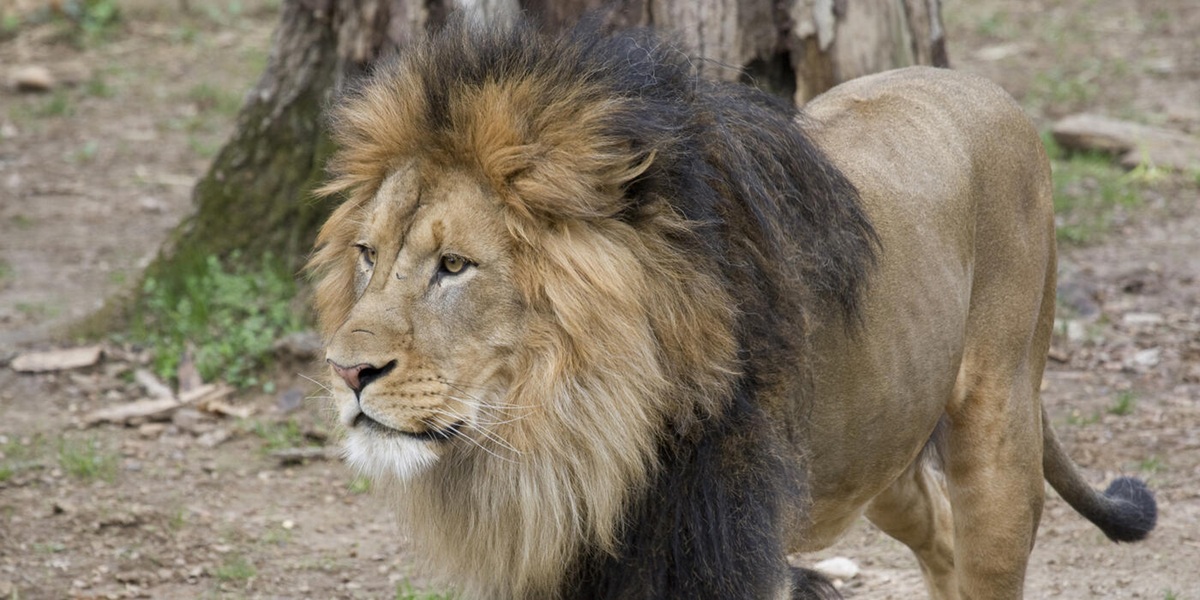
Great cats tested presumptive positive for COVID-19 at the Smithsonian’s National Zoo
On Sept. 17, 2021, six African lions, a Sumatran tiger and two Amur tigers tested presumptive positive at the the Smithsonian’s National Zoo for the virus that causes COVID-19. Animal keepers observed decreased appetites, coughing, sneezing and lethargy in several lions and tigers. Fecal samples for all great cats were collected and tested presumptive positive. All lions and tigers were treated with anti-inflammatories and anti-nausea medication to address discomfort and decreased appetite. In addition, all were treated with antibiotics for presumptive secondary bacterial pneumonia. They were under close observation and, because their condition does not require they remain inside, staff manage the cats’ access to their outdoor habitats. Given the substantial distance between the animals and visitors, the public was not at risk. No other animals at the Zoo were showing any signs of infection.
The Zoo’s existing COVID-19 protocols restrict behind-the-scenes access in all animal areas and require use of personal protective equipment, hygiene, cleaning, employee self-screening and health management. The Zoo’s COVID safety and response protocols were in place and were being strictly followed.
The Zoo has conducted a thorough investigation of all staff that were in close proximity to the lions and tigers. There was no evidence to pinpoint the source of the infection. While it was possible the infection was transmitted by an asymptomatic carrier, it has been standard practice for all animal care staff and essential staff to mask indoors in all public and non-public areas. The health and vaccination status of employees was confidential medical information.
The U.S. Department of Agriculture had authorized the use of a SARS-COV-2 vaccine made specifically for animals by Zoetis. The first round of vaccine disbursement was administered to select animals identified as a susceptible species at both the Zoo and Conservation Biology Institute in Virginia when it becomes available in the coming months.
Tags:
Source: Smithsonian’s National Zoo
Credit: Photos: Luke the Lion. Courtesy The Smithsonian’s National Zoo & Conservation Biology Institute.