NIH COVID-19 testing initiative funded additional research projects to safely return children to in-person school
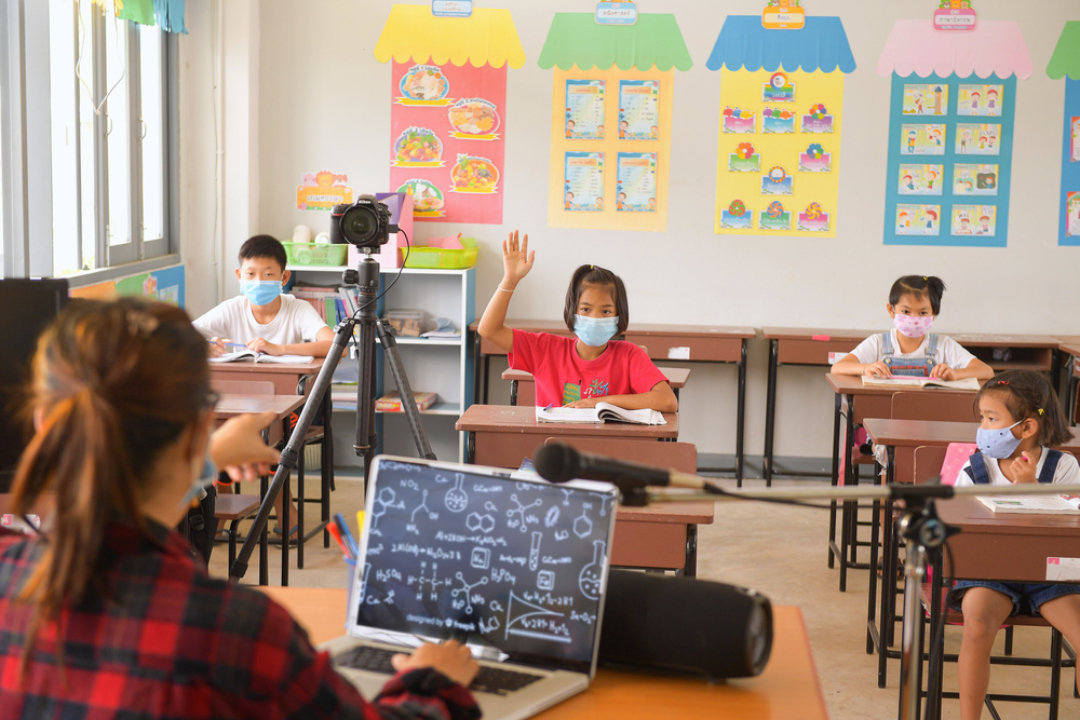
On Jul. 2, 2021, the National Institutes of Health (NIH) announced funding five additional projects to identify ways of safely returning students and staff to in-person school in areas with vulnerable and underserved populations. The awards were the second installment of the Safe Return to School Diagnostic Testing Initiative, launched earlier. The new awards provided up to $15 million over two years for five projects in California, Arizona, Hawaii, Nebraska and Florida. The 8 initial awards, totaling $33 million over two years, were made in April 2021.
The program addresses the needs of children with unequal access to COVID testing as well as those facing barriers to attending school remotely, including children who lack access to computers and internet connectivity, or who may not have family members available to help with virtual learning. Without in-person schooling, many children will miss out on school-based meals, speech or occupational therapy and after school programs. Loss of such services disproportionately affects minorities, socially and economically disadvantaged children, children with disabilities and those with medical complexities, such as those with medication-related problems, mental health issues, severe neurologic conditions or other serious health conditions and those who are dependent on medical technology for daily living. Award recipients also will explore strategies for including preschoolers in return to school efforts.
The new projects will focus on implementing COVID-19 testing regimens for students younger than age 12, who are ineligible for vaccination, exploring the influence of vaccination for eligible staff and students, addressing vaccine hesitancy and seeking information on circulating variants and breakthrough infections. One of the new projects will focus on native Hawaiians and other Pacific islanders, groups not addressed in the previous awards. Researchers will work closely with state, tribal and local officials in planning their investigations.
Tags:
Source: National Institutes of Health
Credit: