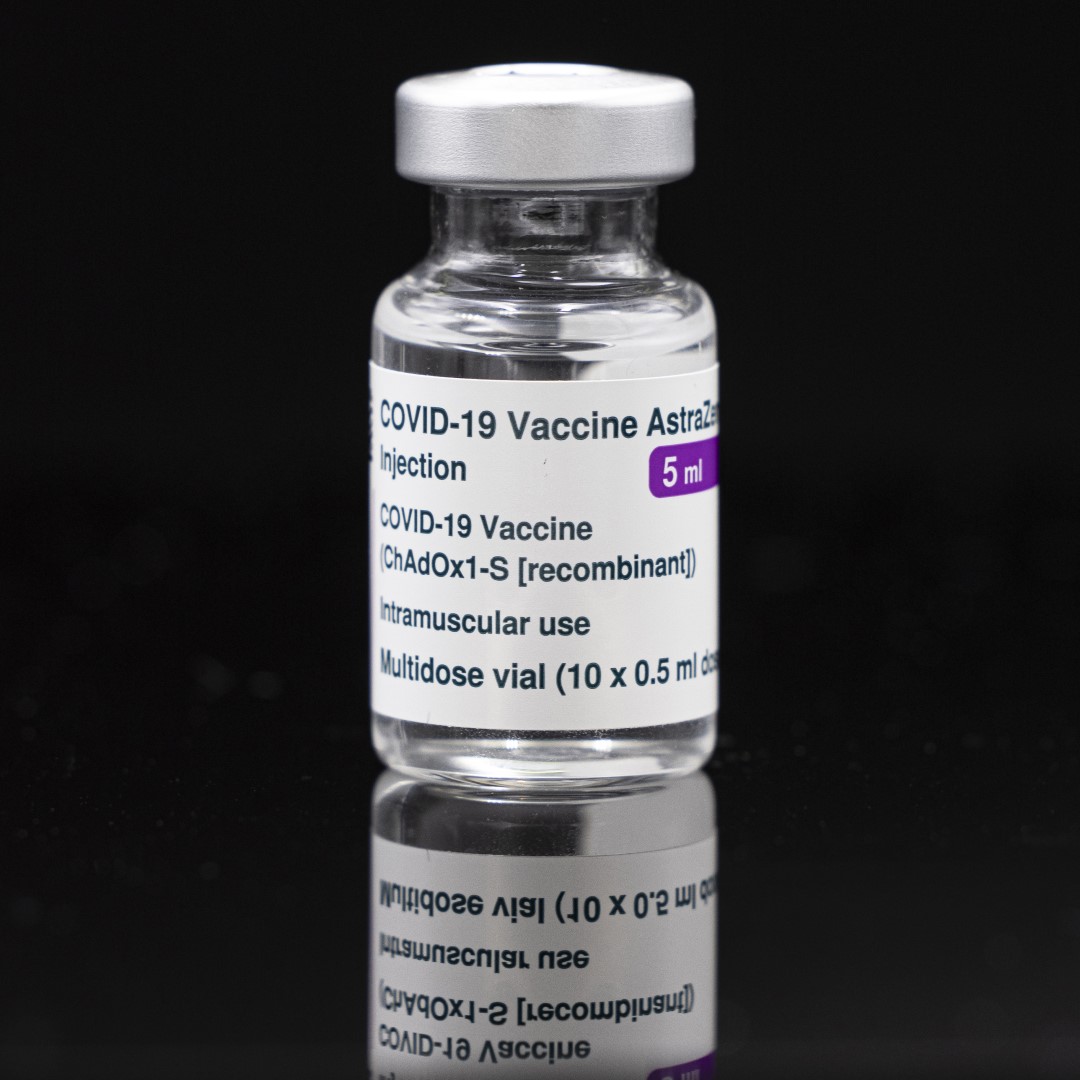
Oxford University reported breakthrough on global COVID-19 vaccine
On Nov. 23, 2020, the University of Oxford, in collaboration with AstraZeneca, announced interim trial data from its Phase III trials that show its candidate vaccine, ChAdOx1 nCoV-2019, is effective at preventing COVID-19 (SARS-CoV-2) and offers a high level of protection. Phase 3 interim analysis including 131 Covid-19 cases indicates that the vaccine is 70.4% effective when combining data from two dosing regimens In the two different dose regimens vaccine efficacy was 90% in one and 62% in the other.
Following the trial reaching the target for interim analysis, the independent Data and Safety Monitoring Board (DSMB) recommended that the team at Oxford conduct its first analysis on all the cases with data locked on 4 November 2020. These preliminary data indicate that the vaccine is 70.4% effective, with tests on two different dose regimes showing that the vaccine was 90% effective if administered at a half dose and then at a full dose, or 62% effective if administered in two full doses. Additional cases are expected to accrue by the time of the final analysis and future analyses will determine the duration of protection. No serious safety events related to the vaccine have been identified.
Oxford will now support AstraZeneca in submitting both the interim Phase III efficacy data and the extensive safety data to all regulators across the world, including in the UK, Europe and Brazil for independent scrutiny and product approval, including for emergency use. Many of these regulators have been reviewing the trial data on a rolling basis during the trial. In parallel, Oxford is submitting the full analysis of the Phase III interim data for independent scientific peer review and publication. The coordination of the programme and execution of the trials in the UK would not have been possible without the support of the National Institute for Health Research and UKRI.
These data also suggest that this half dose and full dose regime could help to prevent transmission of the virus, evidenced by lower rates of asymptomatic infection in the vaccinees, with further information to become available when trial data are next evaluated. The interim Phase III data builds on Oxford’s phase I/II peer-reviewed trial results which have shown that the vaccine induces strong antibody and T cell immune responses across all age groups, including older adults, and has a good safety profile.
The clinical trials, enrolling over 24,000 participants from diverse racial and geographical groups in the UK, Brazil and South Africa, will now continue to final analysis. Further trials are being conducted in the United States, Kenya, Japan and India and the trial team expect to have under 60,000 participants by the end of the year. These trials will provide regulators with further information about the efficacy and safety of the Oxford candidate vaccine, including its ability to both protect against and stop the transmission of COVID-19.
The Oxford vaccine (ChAdOx1 nCoV-19) is made from a virus, which is a weakened version of a common cold virus (adenovirus), that has been genetically changed so that it is impossible for it to grow in humans. Adenovirus vaccines have been researched and used extensively for decades and have the significant benefit that they are stable, easily manufactured, transported and stored at domestic fridge temperature (2-8 degrees C). This means they can be easily distributed using existing medical facilities such as doctor’s surgeries and local pharmacies, allowing for the vaccine, if approved, to be deployed very rapidly.
Oxford University’s collaboration with AstraZeneca has been crucial to the successful development of the vaccine and vital for its global manufacturing and distribution across the world. AstraZeneca already has international agreements in place to supply three billion doses of the vaccine, with access being built through more than 30 supply agreements and partner networks.
Tags:
Source: University of Oxford
Credit: