RedHill completed enrollment for COVID-19 US phase 2 study with opaganib
On Nov. 16, 2020, RedHill Biopharma announced that the U.S. Phase 2 study with opaganib (Yeliva®, ABC294640) in patients hospitalized with severe COVID-19 pneumonia has completed enrollment of the last patient in the study. The study is not powered for statistical significance. Topline data is expected in the coming weeks.
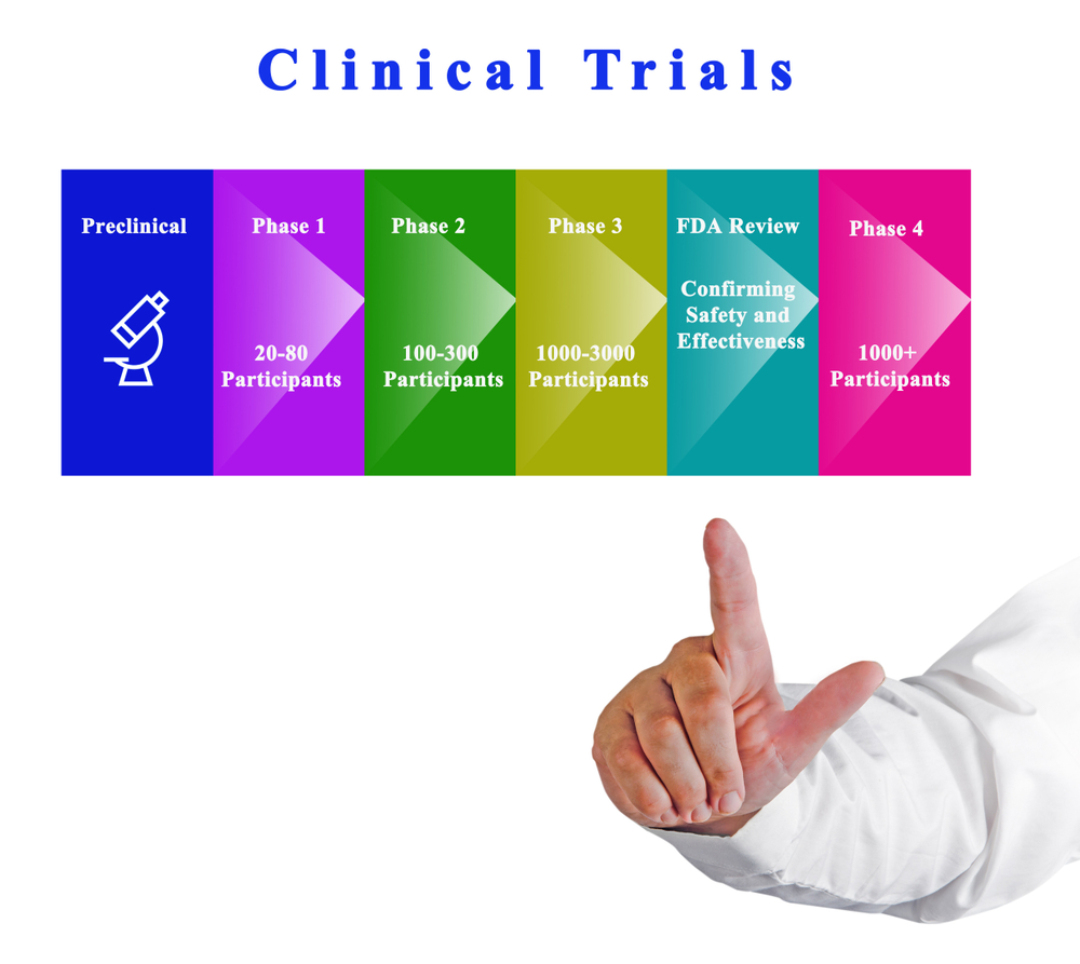
The randomized, double-blind, placebo-controlled Phase 2 study with opaganib (NCT04414618) enrolled 40 patients in clinical sites across the U.S. The study is not powered for statistical significance and is focused on safety evaluation and identifying a signal of efficacy. Patients in the study were randomized at a 1:1 ratio to receive either opaganib or placebo on top of standard-of-care. The primary objective of the study is to evaluate the reduction in total oxygen requirement over the course of treatment for up to 14 days. Secondary endpoints include time to 50% reduction in oxygen requirements, the proportion of patients without fever at Day 14, and proportion with negative nasal swabs at Day 14.
In parallel, the global Phase 2/3 study with opaganib in patients with severe COVID-19 pneumonia (NCT04467840) is approximately 50% enrolled and is expected to report topline data in the first quarter of 2021. The study is being conducted across 21 clinical sites and is on track to enroll up to 270 patients. A first unblinded review of safety data from the first 70 patients enrolled in the study by an independent Data and Safety Monitoring Board (DSMB) is expected in the coming days. An unblinded futility interim analysis will be conducted by the DSMB in the coming weeks, evaluating data from the first 135 subjects that have reached the primary endpoint. This study is focused on, and powered for, efficacy evaluation. The study has been approved in the UK, Italy, Russia, Mexico, Brazil and Israel, with further expansion ongoing.
The clinical studies with opaganib are intended to support potential emergency use applications as early as the first quarter of 2021, subject to positive results.
Opaganib, a new chemical entity, is a proprietary, first-in-class, orally administered, sphingosine kinase-2 (SK2) selective inhibitor with demonstrated dual anti-inflammatory and antiviral activity that targets a host cell component of viral replication, potentially minimizing the likelihood of viral resistance. Opaganib has also shown anticancer activity and has the potential to target multiple oncology, viral, inflammatory, and gastrointestinal indications.
Opaganib received Orphan Drug designation from the U.S. FDA for the treatment of cholangiocarcinoma and is being evaluated in a Phase 2a study in advanced cholangiocarcinoma and in a Phase 2 study in prostate cancer. Opaganib is also being evaluated in a global Phase 2/3 study and a U.S. Phase 2 study for the treatment of COVID-19.
Preclinical data have demonstrated both anti-inflammatory and antiviral activities of opaganib, with the potential to reduce inflammatory lung disorders, such as pneumonia, and mitigate pulmonary fibrotic damage. Opaganib demonstrated potent antiviral activity against SARS-CoV-2, the virus that causes COVID-19, completely inhibiting viral replication in an in vitro model of human lung bronchial tissue. Additionally, preclinical in vivo studies3 have demonstrated that opaganib decreased fatality rates from influenza virus infection and ameliorated Pseudomonas aeruginosa-induced lung injury by reducing the levels of IL-6 and TNF-alpha in bronchoalveolar lavage fluids.
Opaganib was originally developed by U.S.-based Apogee Biotechnology Corp. and completed multiple successful preclinical studies in oncology, inflammation, GI, and radioprotection models, as well as a Phase 1 clinical study in cancer patients with advanced solid tumors and an additional Phase 1 study in multiple myeloma.
Under a compassionate use program, COVID-19 patients (as classified by the WHO ordinal scale) were treated with opaganib in a leading hospital in Israel. Data from the treatment of these first patients with severe COVID-19 with opaganib have been published2. Analysis of treatment outcomes suggested substantial benefit to patients treated with opaganib under compassionate use in both clinical outcomes and inflammatory markers as compared to a retrospective matched case-control group from the same hospital. All patients in the opaganib-treated group were discharged from hospital on room air without requiring intubation and mechanical ventilation, whereas 33% of the matched case-control group required intubation and mechanical ventilation. Median time to weaning from high-flow nasal cannula was reduced to 10 days in the opaganib-treated group, as compared to 15 days in the matched case-control group.
Tags:
Source: RedHill Biopharma Ltd.
Credit: