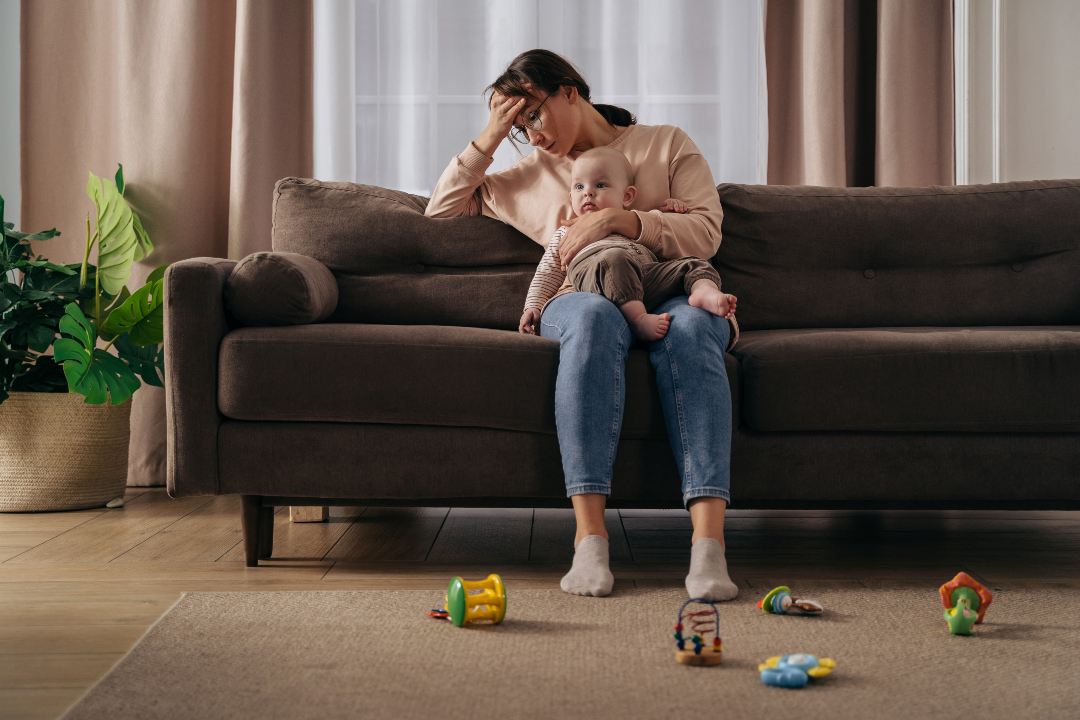
Postpartum depression may persist three years after giving birth
On Oct. 27, 2020, a National Institutes of Health (NIH) study of 5,000 women found that approximately 1 in 4 experienced high levels of depressive symptoms at some point in the three years after giving birth. The rest of the women experienced low levels of depression throughout the three-year span. The study was conducted by researchers at NIH’s Eunice Kennedy Shriver National Institute of Child Health and Human Development. The study was published in the journal Pediatrics.
The American Academy of Pediatrics recommends that pediatricians screen mothers for postpartum depression at well-child visits at one, two, four and six months after childbirth. Researchers identified four trajectories of postpartum depressive symptoms and the factors that may increase a woman’s risk for elevated symptoms. The findings suggest that extending screening for postpartum depressive symptoms for at least two years after childbirth may be beneficial, the authors write.
The researchers analyzed data from the Upstate KIDS study, which included babies born between 2008 and 2010 from 57 counties in New York State. The study followed 5,000 women for three years after their children were born.
Researchers assessed women’s symptoms through a brief, five-item depression screening questionnaire, but the study did not clinically diagnose depression in the women. Women with underlying conditions, such as mood disorders and/or gestational diabetes, were more likely to have higher levels of depressive symptoms that persisted throughout the study period.
The researchers noted that the study participants were primarily white, non-Hispanic women. Future studies should include a more diverse, broad population to provide more inclusive data on postpartum depression, Dr. Putnick said.
Tags:
Source: National Institutes of Health
Credit: