COVID-19 vaccine generated immune response in older adults
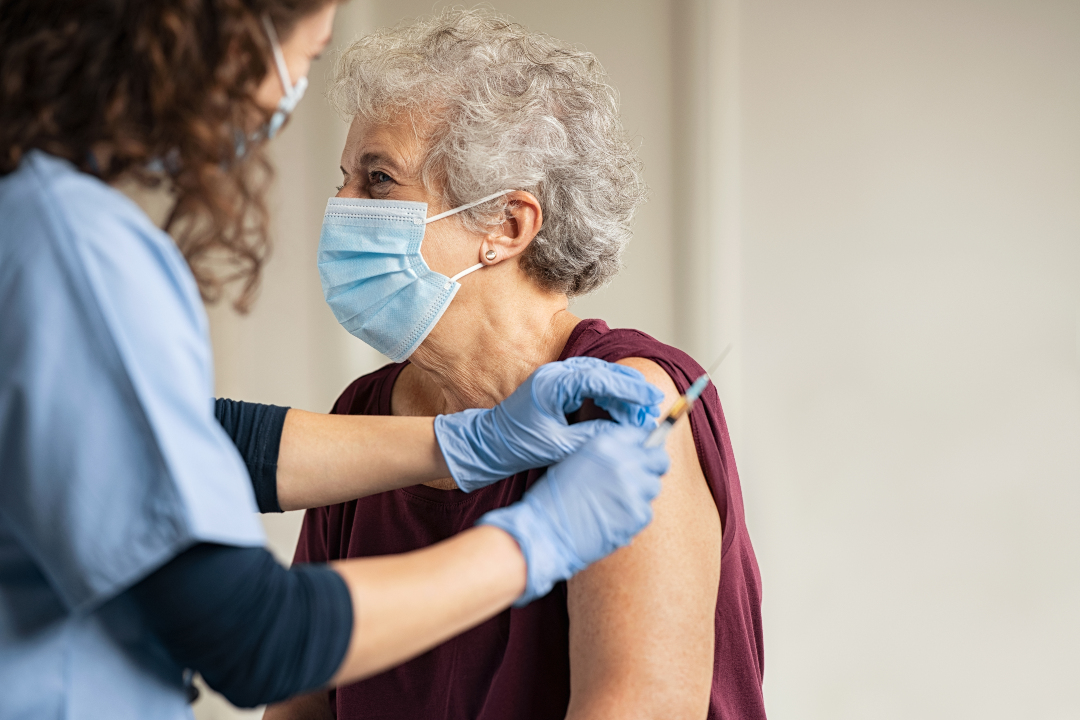
On Sept. 29, 2020, a phase 1 trial of an investigational mRNA vaccine to prevent SARS-CoV-2 infection was shown that the vaccine was well-tolerated and generated a strong immune response in older adults. A report published in The New England Journal of Medicine described the findings from the study, which was supported by the National Institute of Allergy and Infectious Diseases (NIAID), part of the National Institutes of Health. Lisa A. Jackson, MD, MPH, a senior investigator at Kaiser Permanente Washington Health Research Institute (KPWHRI) lead the phase 1 trial and was a co-author of the report.
The experimental vaccine, mRNA-1273, was co-developed by researchers at NIAID and Moderna, Inc. of Cambridge, Massachusetts. The Phase 1 trial began on March 16, 2020, and was expanded to enroll older adults about one month later.
The trial was conducted at KPWHRI in Seattle, Emory University in Atlanta, and NIAID’s Vaccine Research Center (VRC) clinic at the NIH Clinical Center in Bethesda, Maryland. The Coalition for Epidemic Preparedness Innovations (CEPI) supported the manufacturing of the vaccine candidate for this trial. This trial is supported by the Infectious Diseases Clinical Research Consortium (IDCRC) through NIAID.
In its expansion to include older adults, the trial enrolled 40 healthy volunteers: 20 adults ages 56 to 70 years, and 20 adults ages 71 years and older. Ten volunteers in each age group received a lower dose of the vaccine (25 µg), and 10 volunteers in each age group received a higher dose (100 µg). After approximately one month, volunteers then received a second dose of the same vaccine at the same dosage. Throughout the study, volunteers attended clinic visits to track their responses to the vaccine and assess safety.
Overall, the researchers found that the investigational vaccine was well-tolerated in this older age group. Although some volunteers experienced some transient adverse effects, including fever and fatigue after vaccination, the researchers found that they also exhibited a good immune response to the vaccine: the blood of vaccinated volunteers contained robust binding and neutralizing antibodies against SARS-CoV-2. Importantly, the immune response to the vaccine seen in older volunteers was comparable to that seen in younger age groups.
The study will continue to follow the older volunteers for approximately a year after second vaccination to monitor the long-term effects of the vaccine. According to the researchers, these Phase 1 trial results further support testing of the investigational vaccine in older adults in an ongoing large Phase 3 trial.
Kaiser Permanente Washington’s vaccine research group has a registry for Seattle-area people who want to be considered to participate in trials of investigational vaccines for COVID-19 at Kaiser Permanente Washington in Seattle
Tags:
Source: Kaiser Permanente Washington Health Research Institute
Credit: