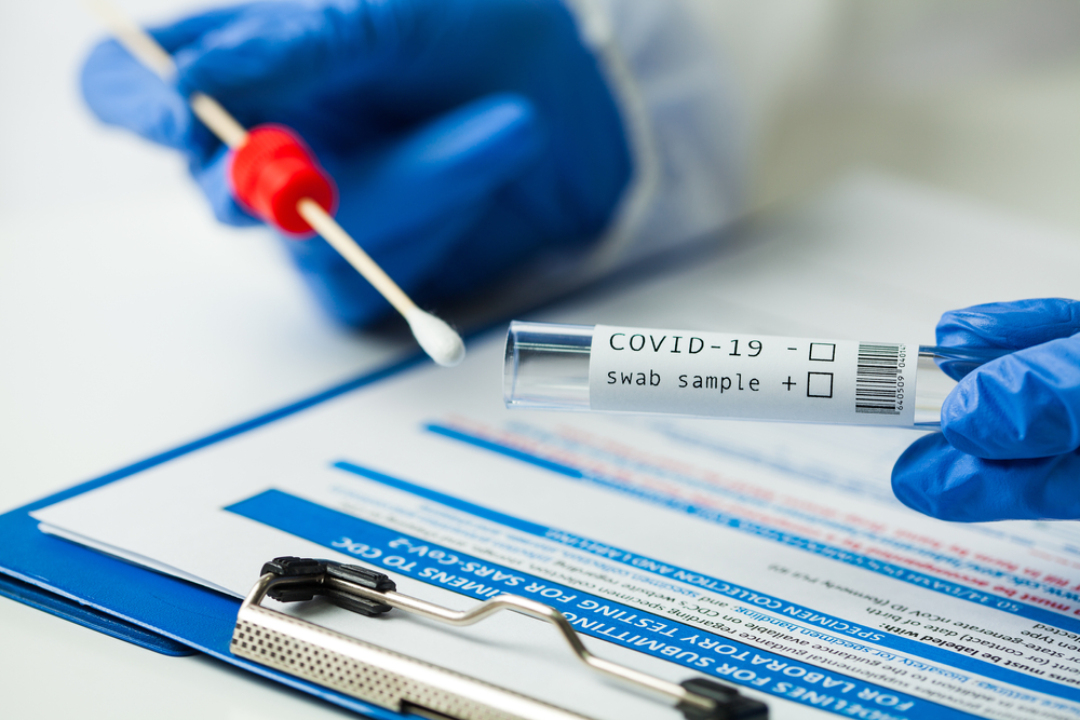
UConn researchers validate clinical feasibility for COVID-19 testing at point of care
On Sept. 18, 2020, Uconn researchers, in a paper published in Nature Communications, validated the clinical feasibility of the platform using COVID-19 clinical swab samples. Additionally, the researchers used a low-cost hand warmer as an incubator to detect clinical sample results within 20 minutes. In March, the researchers began to develop a new, low-cost, CRISPR-based diagnostic platform to detect infectious diseases, including HIV virus, the novel coronavirus (SARS-CoV-2).
Lead by associate professor Changchun Liu, the “All-In-One-Dual CRISPR-Cas12a” (AIOD-CRISPR) method enables simple, rapid, ultrasensitive, visual detection of SARS-CoV-2, intended for use at home or in small clinics.
In a paper published in Nature Communications, the researchers validated the clinical feasibility of the platform using COVID-19 clinical swab samples. Additionally, the researchers used a low-cost hand warmer as an incubator to detect clinical sample results within 20 minutes.
Nucleic acid amplification testing (PCR/RT-PCR) is currently the most sensitive and specific method for early detection of pathogens, but is not suitable for rapid point-of-care diagnostics because of the need for specialized laboratory equipment and trained technicians. Highly contagious pathogens, however, need real-time monitoring to prevent spreading from person to person.
In the study, Liu and his team evaluated their AIOD-CRISPR method using the RNA extract of 28 clinical COVID-19 swab samples, which included eight COVID-19 positive samples. To ensure the reliability of detection, each sample was tested twice in two independent trials. All eight of the COVID-19 positive samples were identified as positive in 40 minutes, which was also confirmed by visual detection. The results were also consistent with those of the CDC-approved RT-PCR method.
The researchers also used a low-cost hand warmer as an incubator to detect the patient samples to eliminate the need for an electric incubator. The AIOD-CRISPR tubes were directly placed on an air-activated hand warmer, and the results were visible by the naked eye under LED light. Two COVID-19 positive samples incubated in the hand warmer bag were visually detected and identified as positive in 20 minutes.
Tags:
Source: University of Connecticut
Credit: