COVID-19 antibody tests evaluated as diagnostic test in low-resource settings
On Jul. 18, 2020, with Brazil leading the world in newly diagnosed COVID-19 cases, Latin America has become the epicenter of the coronavirus pandemic. Meanwhile, outbreaks continue to escalate in parts of Asia, Africa and the Middle East. Public health authorities worldwide desperately need to expand testing so they can track the spread of the infection, but molecular diagnostic tests used in the U.S. and other wealthy countries are too expensive for widespread use in many low- and middle-income countries. Antibody tests may provide an alternative approach.
Antibody tests reveal whether someone has been infected with the virus that causes COVID-19. In the U.S., antibody tests are principally performed on healthy people as part of public health surveillance to track how widely the virus has spread through a population. Antibody tests are not used in the U.S. to diagnose people who currently have symptoms, because they miss too many people in the early stages of the disease. But in places where many people do not have immediate access to health care and can’t be tested in a timely manner, the tendency of antibody tests to give false negative results in the first few days is much less of a problem.
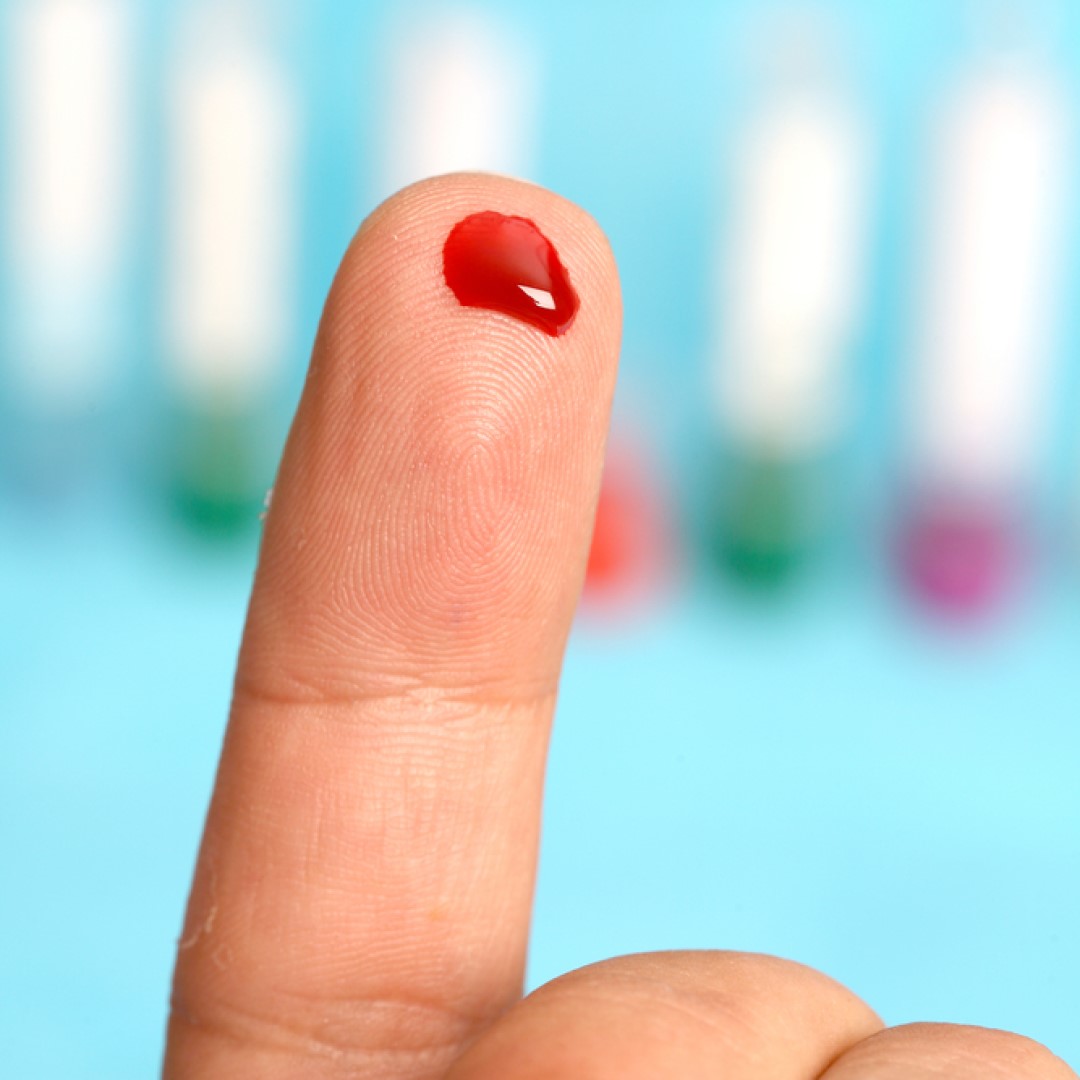
“Although antibody tests do not detect a high percentage of infected people until 10 to 14 days after infection, you must remember that it takes time for symptoms to appear and then for people in developing countries to get to a health clinic and get access to a diagnostic test,” said Gary Weil, MD, a professor of medicine and of molecular microbiology at Washington University School of Medicine in St. Louis. “By the time someone actually gets tested, they may have been symptomatic for more than a week, and most people do have detectable antibodies at that point. Rapid antibody tests for COVID could work really well in low-resource settings because they require only a finger stick of blood, and results are available within minutes. With that information in hand, public health authorities could isolate infected people or transfer them to a more advanced medical facility, test their families and start contact tracing. It could be really helpful for controlling this disease in countries with limited resources, even though it’s imperfect.”
Tags:
Source: Washington University School of Medicine
Credit: