UC Berkeley launched trial of saliva test for COVID-19
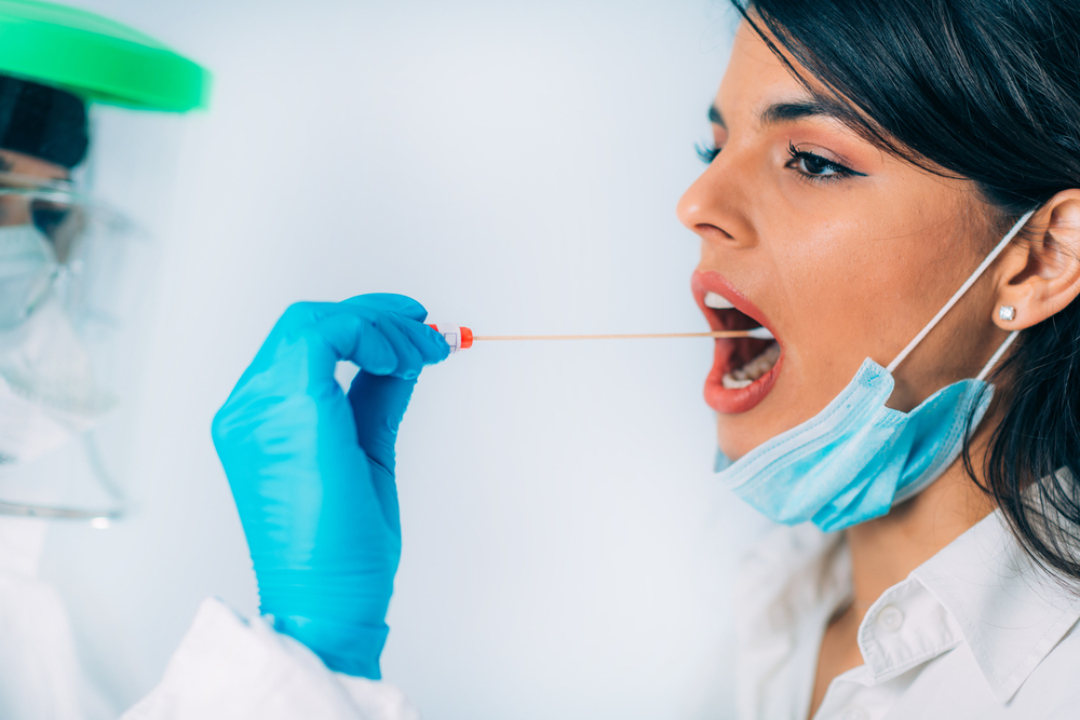
On Jun. 30, 2020, scientists from the Innovative Genomics Institute (IGI) at the University of California Berkeley announced a quicker way to obtain Covid-19 patient samples through saliva. The IGI established a state-of-the-art COVID-19 testing laboratory in March.
Saliva, collected in the same way companies like 23andMe and Ancestry.com get samples for DNA genealogy analysis, can be gathered without medical supervision, and that saves time, money and precious PPE.
If the new study demonstrates that detecting the coronavirus in saliva is just as reliable as using nasal swabs, UC Berkeley will be able to ramp up the monitoring of students, faculty and staff as the campus gradually opens in preparation for the start of classes in late August.
Infected people can spread the virus before symptoms appear, or even if symptoms never appear. Regular testing would, in theory, allow the campus to catch infected, but asymptomatic, people early, isolate them, trace and quarantine their close contacts and ideally tamp down inevitable flare-ups before they spread.
Campus volunteers began collecting saliva samples from a few hundred UC Berkeley employees on June 23 at kiosks set up in the breezeway of the Genetics and Plant Biology building, near Pat Brown’s Grill.
The IGI researchers hope to analyze the results of the saliva tests and submit an application for an Emergency Use Authorization (EUA) to the Food and Drug Administration (FDA), which would allow them to employ the saliva test clinically.
The IGI was started in 2014 by UC Berkeley and UCSF with the goal of advancing CRISPR-based genome editing, a technology for changing the DNA of cells and organisms that Doudna and French colleague Emmanuelle Charpentier pioneered two years earlier. When California mandated shelter in place, IGI scientists quickly pivoted to create a clinically certified pop-up COVID-19 diagnostic lab.
Tags:
Source: University of California, Berkeley
Credit: