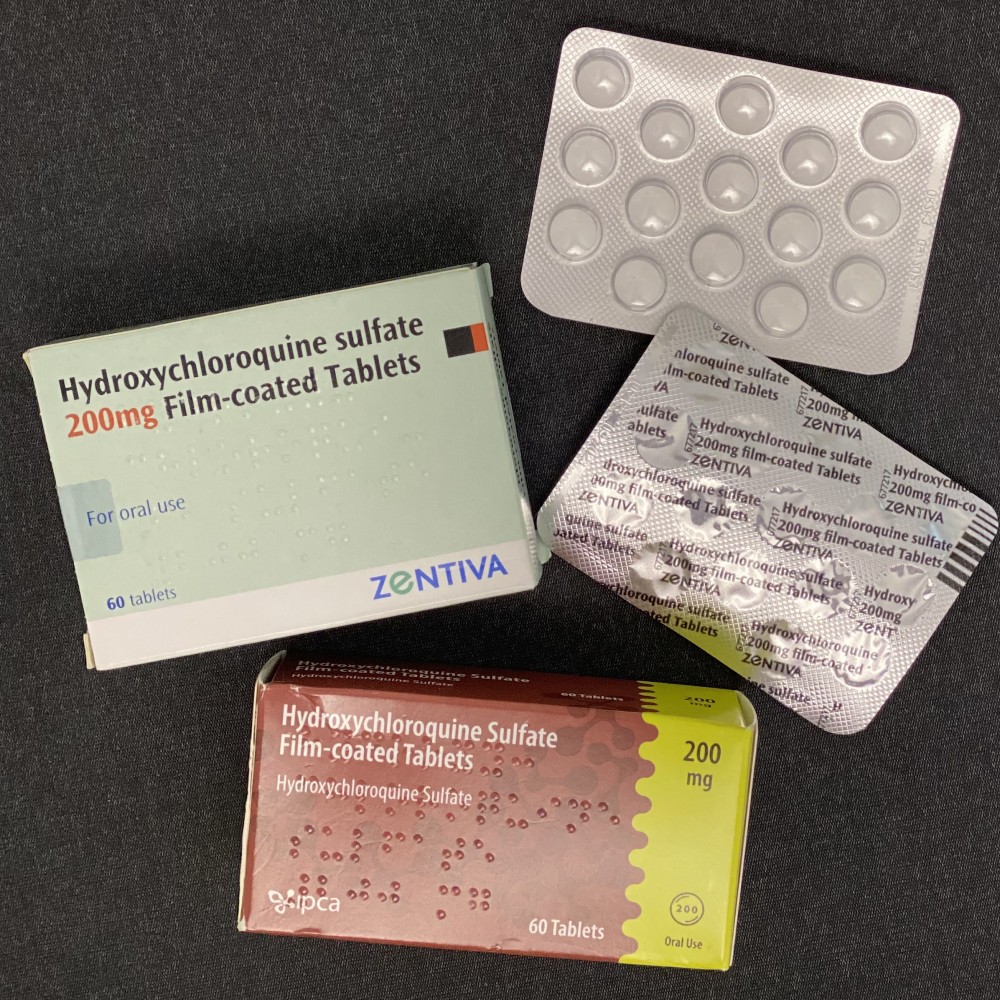
The NIH halted clinical trial of hydroxychloroquine
On Jun. 20, 2020, the National Institutes of Health (NIH) announced that a clinical trial to evaluate the safety and effectiveness of hydroxychloroquine for the treatment of adults hospitalized with coronavirus disease 2019 (COVID-19) had been stopped.
A data and safety monitoring board (DSMB) determined that while there was no harm, the study drug was very unlikely to be beneficial to hospitalized patients with COVID-19. After its fourth interim analysis the DSMB, which regularly monitors the trial, recommended to the National Heart, Lung, and Blood Institute (NHLBI), part of NIH, to stop the study. NHLBI halted the trial immediately.
The Outcomes Related to COVID-19 treated with hydroxychloroquine among In-patients with symptomatic Disease study, or ORCHID Study, was being conducted by the Prevention and Early Treatment of Acute Lung Injury (PETAL) Clinical Trials Network of NHLBI. The data from this study indicate that this drug provided no additional benefit compared to placebo control for the treatment of COVID-19 in hospitalized patients.
The first participants enrolled in the trial in April at Vanderbilt University Medical Center, Nashville, Tennessee, one of dozens of centers in the PETAL Network. The blinded, placebo-controlled randomized clinical trial aimed to enroll more than 500 adults who are currently hospitalized with COVID-19 or in an emergency department with anticipated hospitalization. More than 470 were enrolled at the time of study’s closure.
All participants in the study received clinical care as indicated for their condition. Those randomized to the experimental intervention had also received hydroxychloroquine. Participants in the study will now continue to receive standard of care and follow up as indicated for their condition.
Tags:
Source: National Institutes of Health
Credit: