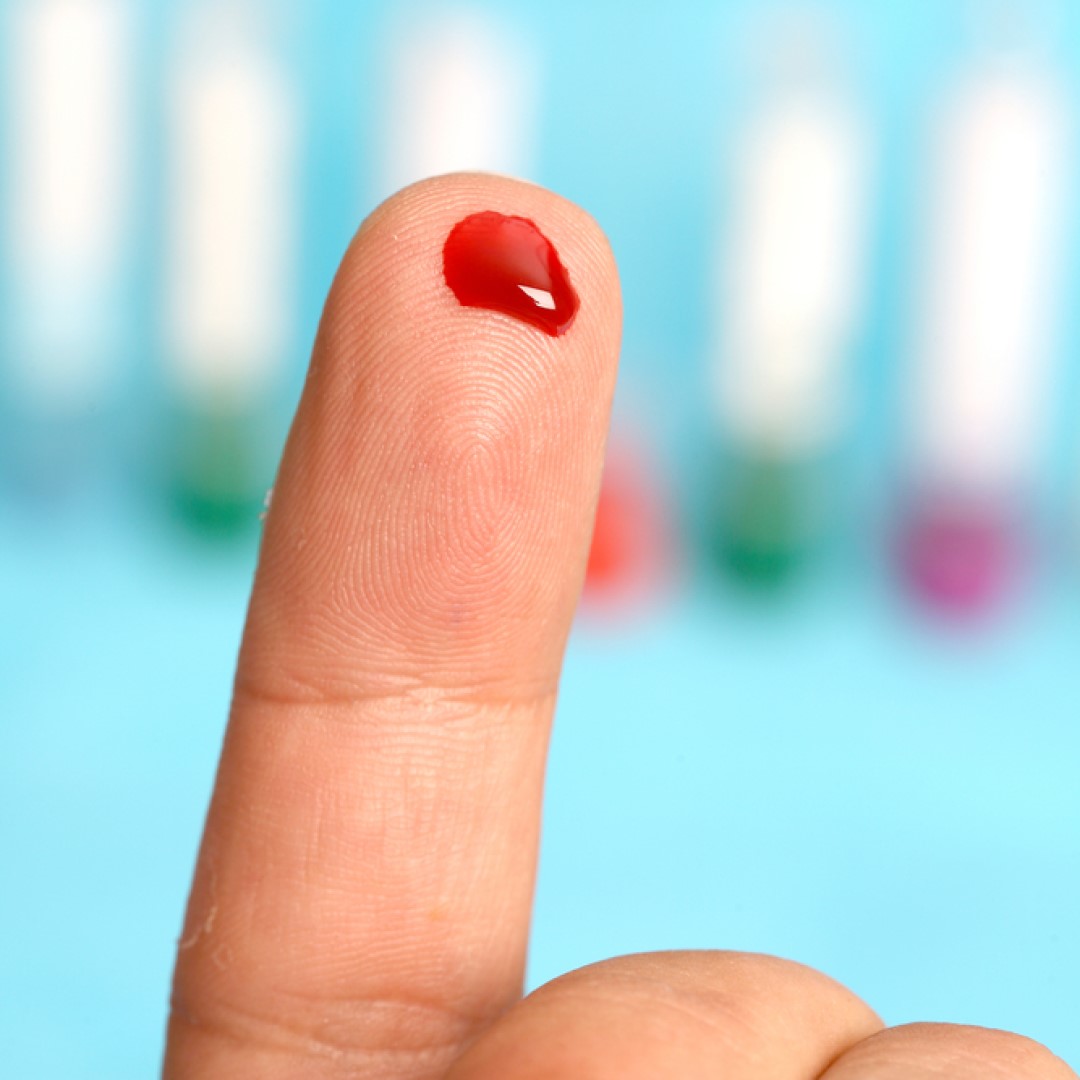
Research from University of Washington demonstrated high performance of Abbott’s SARS-CoV-2 antibody blood test
On May 8, 2020, Abbott announced new research, published in the Journal of Clinical Microbiology, which found that its SARS-CoV-2 IgG lab-based serology blood test had 99.9% specificity and 100% sensitivity for detecting the IgG antibody in patients 17 days or more after symptoms began. Independent research was conducted by University of Washington School of Medicine in Seattle.
Antibody testing can tell if someone has been previously infected with the virus and may be recovering or has recovered from the infection, in both people with or without signs or symptoms. Large scale antibody testing is seen as an important next step to understanding and addressing the COVID-19 pandemic and is part of the Centers for Disease Control and Prevention’s (CDC) surveillance strategy. Antibody tests provide greater understanding of the virus, including how long antibodies stay in the body, how much of the population has been infected, and how this changes over time.
In April, Abbott announced the launch of its SARS-CoV-2 IgG antibody blood test as the company’s third COVID-19 test to help combat the pandemic. Abbott significantly scaled up its manufacturing and has already shipped more than 10 million antibody tests for its ARCHITECT platform to hospital systems and reference labs in all 50 states in the U.S. and around the world.
Researchers at University of Washington School of Medicine were one of the first health systems to receive the test and help validate its performance. The researchers found that when testing on 1,020 patient samples, the test had a specificity of 99.9% (ability to exclude false positives). When running the assay on 689 serum samples from 125 PCR-confirmed COVID-19 cases, they found 100% sensitivity (ability to exclude false negatives) at 17 days or more after symptoms began in this population.
Hospitals and reference laboratories are beginning to implement antibody testing. The data generated from these tests could help uncover new insights around the novel virus, including prevalence at local, state or country-wide levels.
Tags:
Source: Abbott
Credit: