LabCorp broadened availability of COVID-19 serological antibody tests to hospitals and healthcare organizations
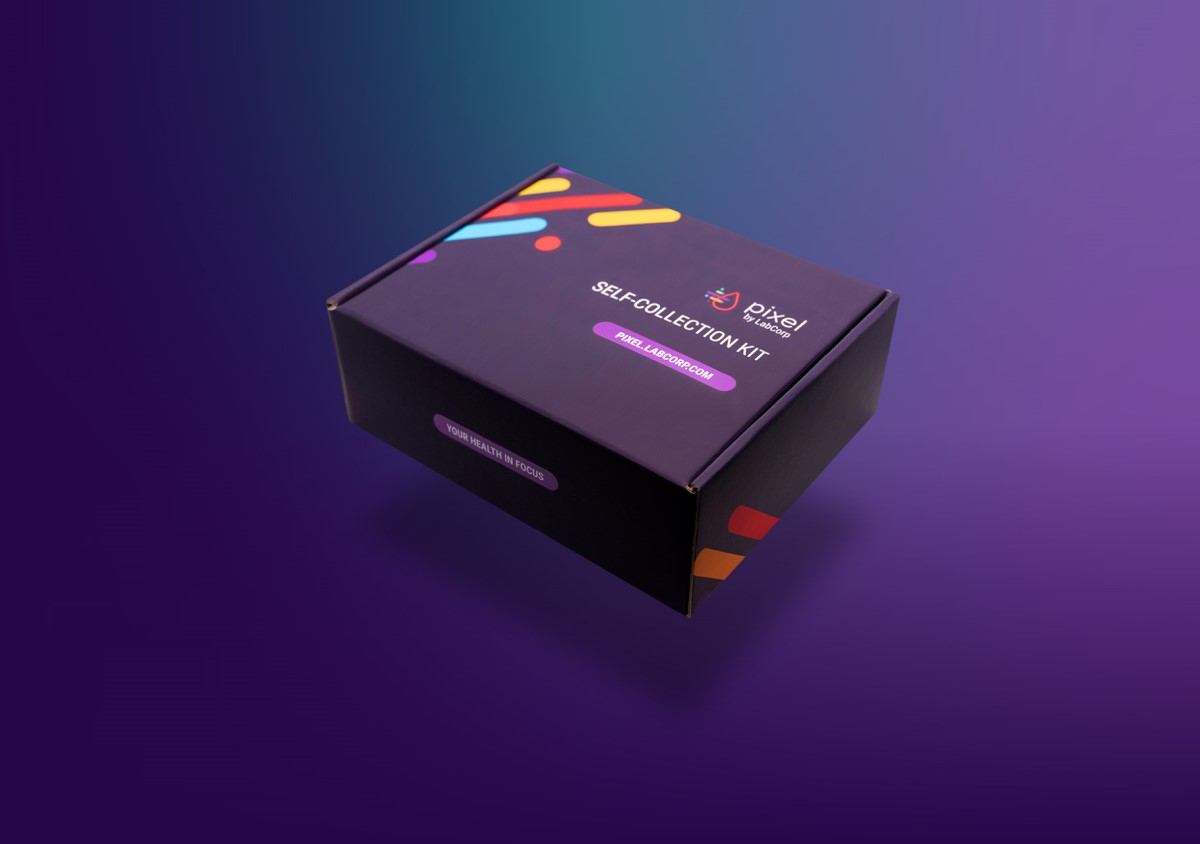
On Apr. 22, 2020, LabCorp announced expanded serological testing for SARS-CoV-2, the virus that causes COVID-19, to more hospitals and healthcare organizations. The COVID-19 serological tests are in addition to the company’s existing molecular test for COVID-19 available nationwide through healthcare providers, and to healthcare workers and emergency responders through its Pixel by LabCorp at-home self-collection test kit.
Serological tests for SARS-CoV-2 are intended for individuals who may have had COVID-19 symptoms but are no longer symptomatic. The tests determine the presence of antibodies to the virus and can help to identify individuals who have been exposed to the virus. Understanding if an individual has developed antibodies and a potential immune response can be useful in the determination of important decisions such as the ability for hospital staff to care for patients.
LabCorp began offering serological tests to hospitals and healthcare systems on a limited basis in late March, focusing on high priority healthcare workers. The company has built up capacity to perform over 50,000 serological tests per day and complete those tests within an average of 1 to 3 days from the time the specimen is picked up, assuming adequate supplies. The company is preparing to make the tests more broadly available over the coming weeks for ordering by hospitals and health systems, organizations, and physicians. By mid-May, LabCorp expects to be able to perform several hundred thousand tests per week as more tests and testing platforms receive U.S. Food and Drug Administration (FDA) Emergency Use Authorization (EUA).
Serological tests analyze serum in blood samples from individuals who are being evaluated or have been exposed to the virus. The company offers separate tests for each of the three major classes of SARS-CoV-2 antibodies (IgG, IgA, and IgM).
A positive serologic result indicates that an individual has likely produced an immune response to the SARS-CoV-2 virus. A negative serologic result indicates that an individual has not developed detectable antibodies at the time of testing. While contingent on a variety of factors, this could be due to testing too early in the course of COVID-19, the absence of exposure to the virus, or the lack of an adequate immune response, which can be due to conditions or treatments that suppress immune function. Confirmation of infection with SARS-CoV-2 must be made through a combination of clinical evaluation and other applicable tests. Decisions about ongoing monitoring, treatment or return to normal activities for patients being treated for suspected infection with SARS-CoV-2 should also be made in accordance with guidance from public health authorities.
Tags:
Source: LabCorp
Credit: