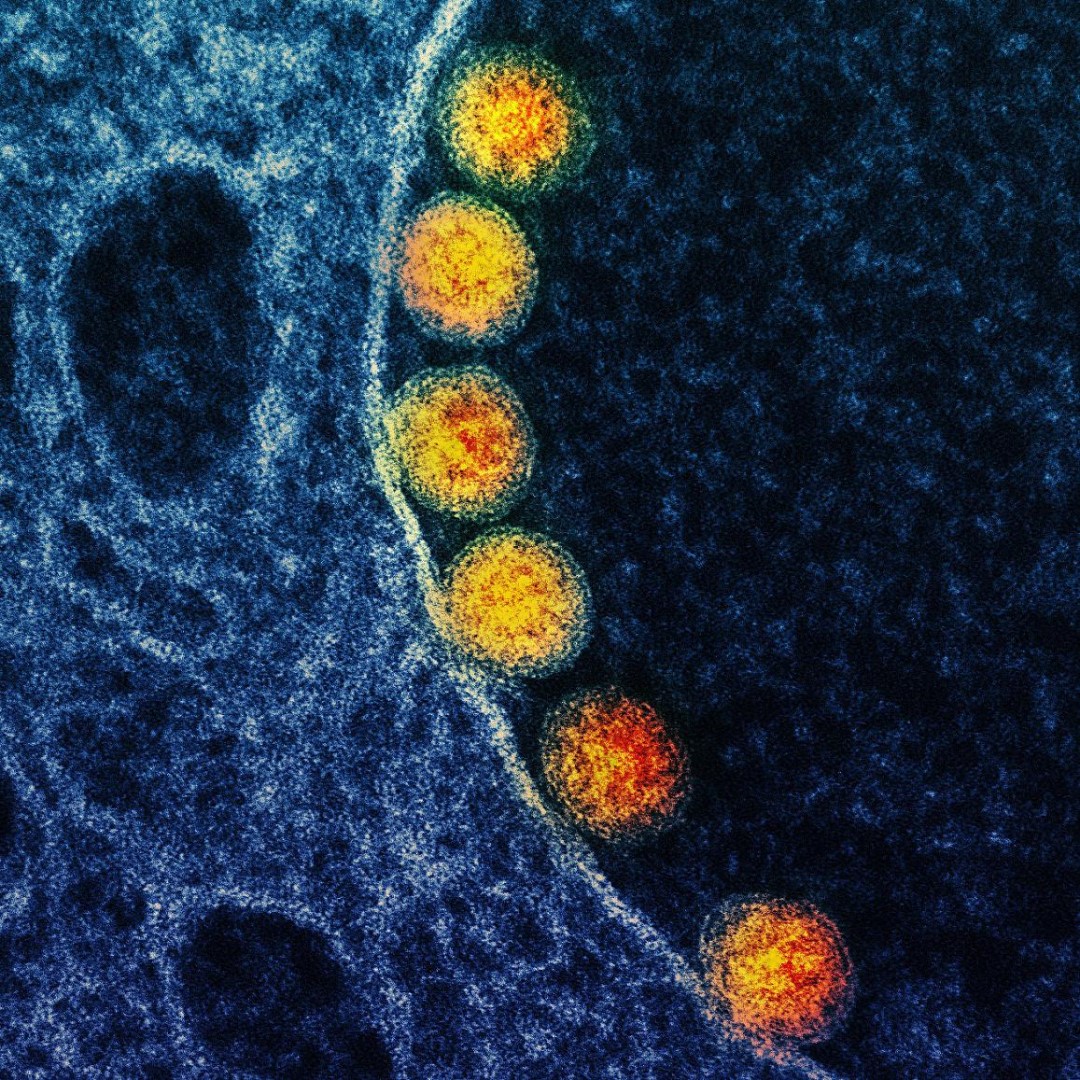
University of Minnesota researchers revealed how the novel coronavirus binds to human cells
On Mar. 30, 2020, researchers from the University of Minnesota broke new ground in understanding how SARS-CoV-2, the virus that causes COVID-19, binds to its human receptor. Their findings were published in the journal Nature. This knowledge not only facilitates a better understanding of the infectivity of the virus, but also sheds light on its animal origin and provides guidance on vaccine and antiviral drug designs.
Several technologies, all with intrinsic limitations, have recently provided some information on how SARS-CoV-2 binds to its receptor. Li’s study is the first to use x-ray crystallography, the “gold-standard” method of structural biology at atomic resolution, to map out the 3D structure of a protein on SARS-CoV-2 that binds to its hum The study has identified key mutations that potentially enabled the animal-to-human transmission of SARS-CoV-2.
With the 3D structure in hand, the study has mapped out the important binding sites on SARS-CoV-2 for antibody drugs to act on, providing a blueprint for developing new antibody drugs that specifically target those sites.
If a new antibody drug can bind to those sites on the virus more strongly and frequently than the receptor, it will block the virus out of cells, making it a potentially effective treatment for viral infections. Those sites are also valuable for vaccine designs, as vaccines containing those sites can induce the production of antibodies in the human body, which can prevent future viral infections.
Next, the research team plans to use structural information from this study to develop antibody drugs and vaccines that specifically target the binding of SARS-CoV-2 to its human receptor.
Tags:
Source: University of Minnesota
Credit: