SARS-CoV-2 RNA can persist in stool months after respiratory tract clears virus
On May 18, 2022, SARS-CoV-2, or at least pieces of it, sticks around longer in some infected individuals than respiratory sample testing would suggest, a study found.
After respiratory samples tested negative, a small proportion of the 113 study participants continued to shed SARS-CoV-2 RNA in their feces—about 4% of them for at least 7 months—and those people were more likely to report ongoing gastrointestinal (GI) symptoms, researchers reported in the journal Med.
The findings provide more evidence that SARS-CoV-2 infects the gut as well as the lungs and could help explain why some people with “long COVID” have persistent abdominal pain, nausea, and other GI symptoms, according to the authors. It’s no secret that infected people shed SARS-CoV-2 through feces. Among patients with moderate to severe COVID-19, studies have detected SARS-CoV-2 RNA in about 40% to 85% of fecal samples.
However, the authors of the new study wrote, less is known about fecal shedding of SARS-CoV-2 RNA in people with mild to moderate disease, even though they represent about 81% of those who are infected. Most studies of mild to moderate cases have been cross-sectional or followed up patients for a relatively short period after diagnosis. The few studies that have investigated longitudinal fecal samples found that fecal shedding can persist longer than shedding in respiratory samples.
In her new study, fecal SARS-CoV-2 RNA was detected in about half of the participants within the first week after a polymerase chain reaction–confirmed diagnosis of COVID-19. At 4 months, no participants were still shedding viral particles from the respiratory tract, but 12.7% continued to shed SARS-CoV-2 RNA in feces. At 7 months, 3.8% were still shedding SARS-CoV-2 in feces.
Tags:
Source: JAMA Network
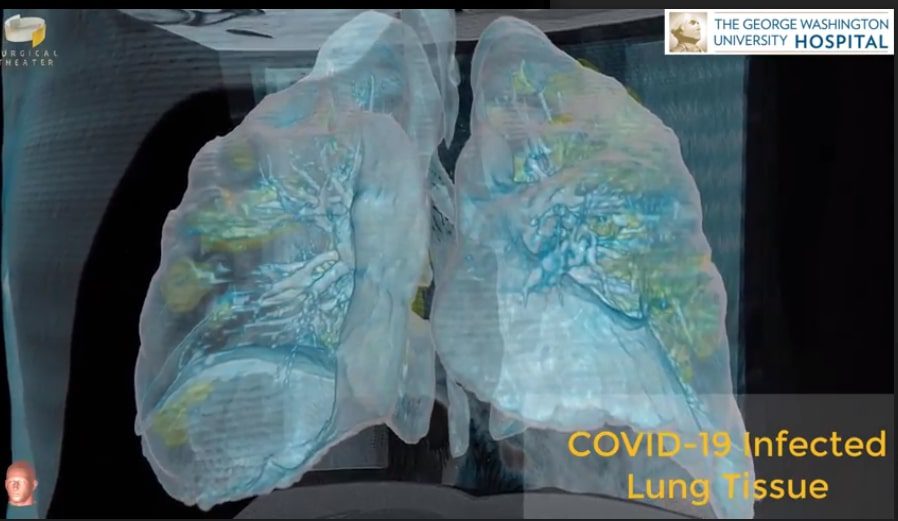
Credit: Image: COVID-19 infected lung tissue. Courtesy: George Washington University.