CDC published ACIP recommendations for use of cholera vaccine
On May 12, 2017, the U.S. Centers for Disease Control and Prevention’s (CDC) Advisory Committee on Immunization Practices (ACIP) voted to recommend use of lyophilized CVD 103-HgR for prevention of cholera among adult travelers to areas with endemic or epidemic cholera caused by toxigenic V. cholerae.
Cholera, caused by infection with toxigenic Vibrio cholerae bacteria of serogroup O1 (>99% of global cases) or O139, is characterized by watery diarrhea that can be severe and rapidly fatal without prompt rehydration. Cholera is endemic in approximately 60 countries and causes epidemics as well. Globally, cholera results in an estimated 2.9 million cases of disease and 95,000 deaths annually. Cholera is rare in the United States, and most U.S. cases occur among travelers to countries where cholera is endemic or epidemic. Forty-two U.S. cases were reported in 2011 after a cholera epidemic began in Haiti (2); however, <25 cases per year have been reported in the United States since 2012.
Lyophilized CVD 103-HgR is the only cholera vaccine licensed for use in the United States. Its efficacy against severe diarrhea (defined here as fecal output >3 L/24 hours) after oral toxigenic V. cholerae O1 challenge is estimated to be 90% at 10 days after vaccination and 80% at 3 months after vaccination (6). Studies of the previously available formulation (discontinued in 2003) demonstrated similar efficacy (7). Both the previously and currently available formulations of the vaccine were effective in inducing a vibriocidal antibody response, the best available correlate of protection against cholera infection. No vaccine-related serious adverse events were reported in studies conducted using either of the two formulations. Studies with the currently available vaccine formulation found a slightly higher prevalence of diarrhea (mostly mild) among vaccine recipients (3.8%) than among unvaccinated groups (1.6%) (8). No other differences were detected between vaccinated and unvaccinated groups in the occurrence of any adverse events.
The body of evidence, which included studies with the currently available lyophilized CVD 103-HgR formulation and studies with oral toxigenic V. cholerae O1 challenge, consistently indicated high vaccine efficacy and was judged to be GRADE evidence type 1 (evidence from randomized controlled trials or overwhelming evidence from observational studies), which is the strongest type of evidence. For safety outcomes, the data were more limited, because relatively few persons had received the currently available lyophilized vaccine formulation. Few studies evaluated coadministration of CVD 103-HgR with other vaccines or medications. Because of these limitations, the GRADE evidence for safety outcomes was judged to be type 3 (evidence from observational studies or randomized controlled trials with notable limitations).
Through the GRADE systematic review, the Work Group found high-quality evidence that the vaccine is highly effective and lower quality evidence that it is safe. The available safety data indicate no harms except for a slightly elevated risk for mild diarrhea among vaccine recipients. Although cholera is rare, the Work Group concluded that a safe and effective vaccine that can prevent a potentially severe cholera infection can benefit certain travelers.
Tags:
Source: U.S. Centers for Disease Control and Prevention
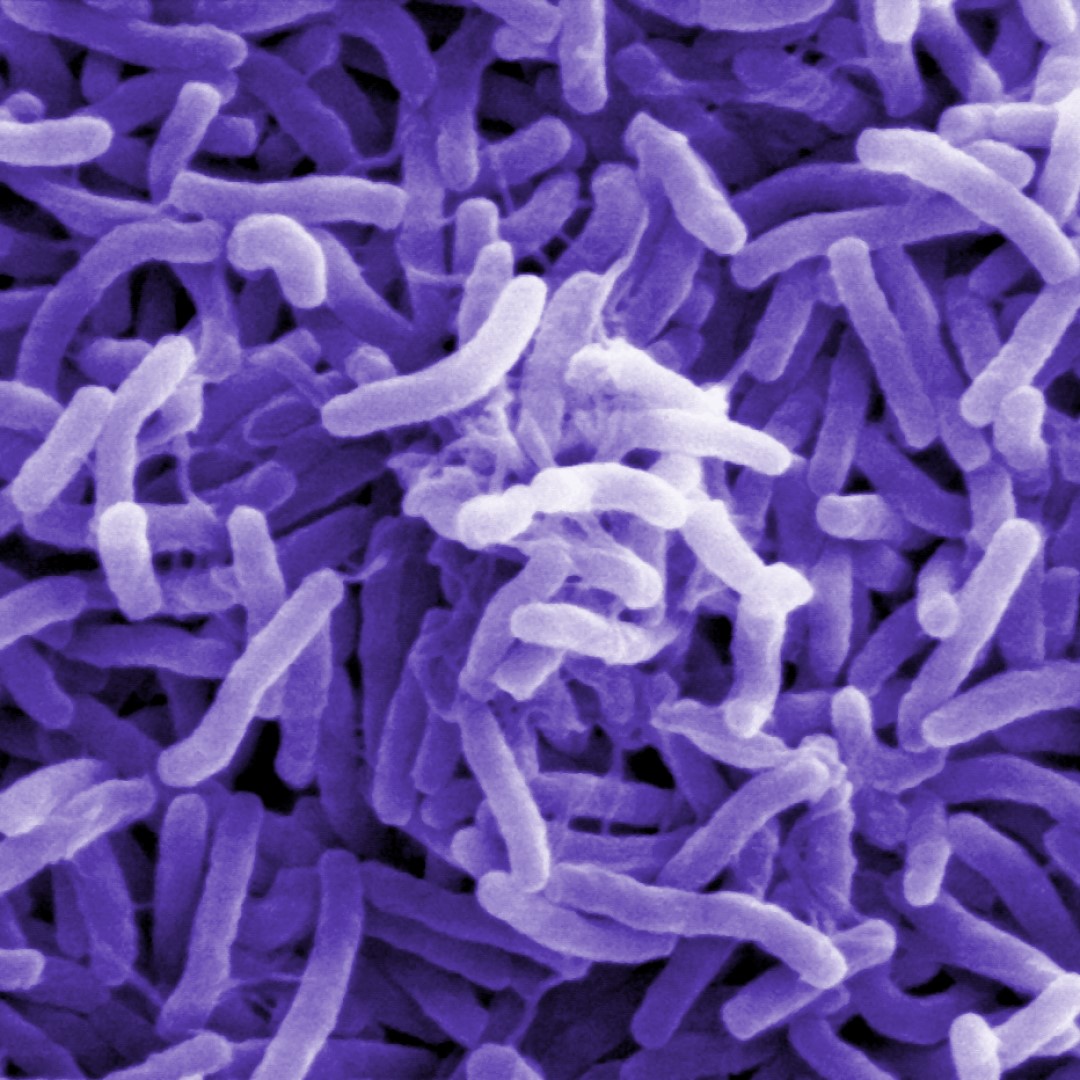
Credit: Photo: Microscopy of cholera bacteria, vibrio cholerae. Courtesy U.S. Centers for Disease Control and Prevention.