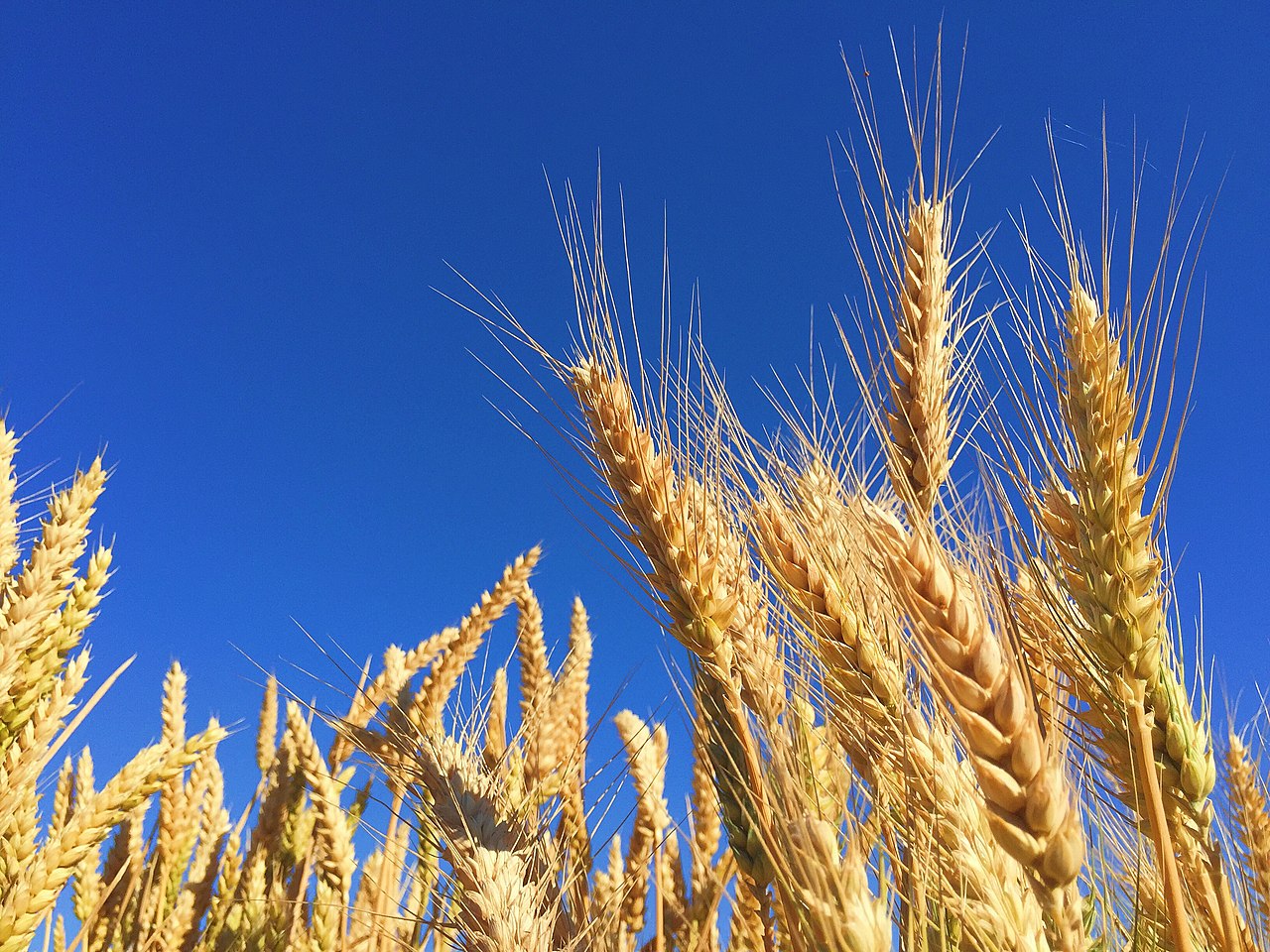
The genome of bread wheat was published
On Aug. 17, 2018, The International Wheat Genome Sequencing Consortium (IWGSC) published in the international journal Science a detailed description of the genome of bread wheat, the world’s most widely cultivated crop.
This work will pave the way for the production of wheat varieties better adapted to climate challenges, with higher yields, enhanced nutritional quality and improved sustainability, IWGSC said.
The research article — authored by more than 200 scientists from 73 research institutions in 20 countries — presents the reference genome of the bread wheat variety Chinese Spring. The DNA sequence ordered along the 21 wheat chromosomes is the highest-quality genome sequence produced to date for wheat, the consortium said. It is the result of 13 years of collaborative international research.
To meet future demands of a projected world population of 9.6 billion by 2050, wheat productivity needs to increase by 1.6% each year. In order to preserve biodiversity, water and nutrient resources, the majority of this increase has to be achieved via crop and trait improvement on land currently cultivated rather than committing new land to cultivation, IWGSC explained.
With the reference genome sequence now completed, breeders have at their disposal new tools to address these challenges. They will be able to identify more rapidly genes and regulatory elements underlying complex agronomic traits — such as yield, grain quality, resistance to fungal diseases and tolerance to abiotic stress — and produce hardier wheat varieties.
Tags:
Source: Farm Progress
Credit: