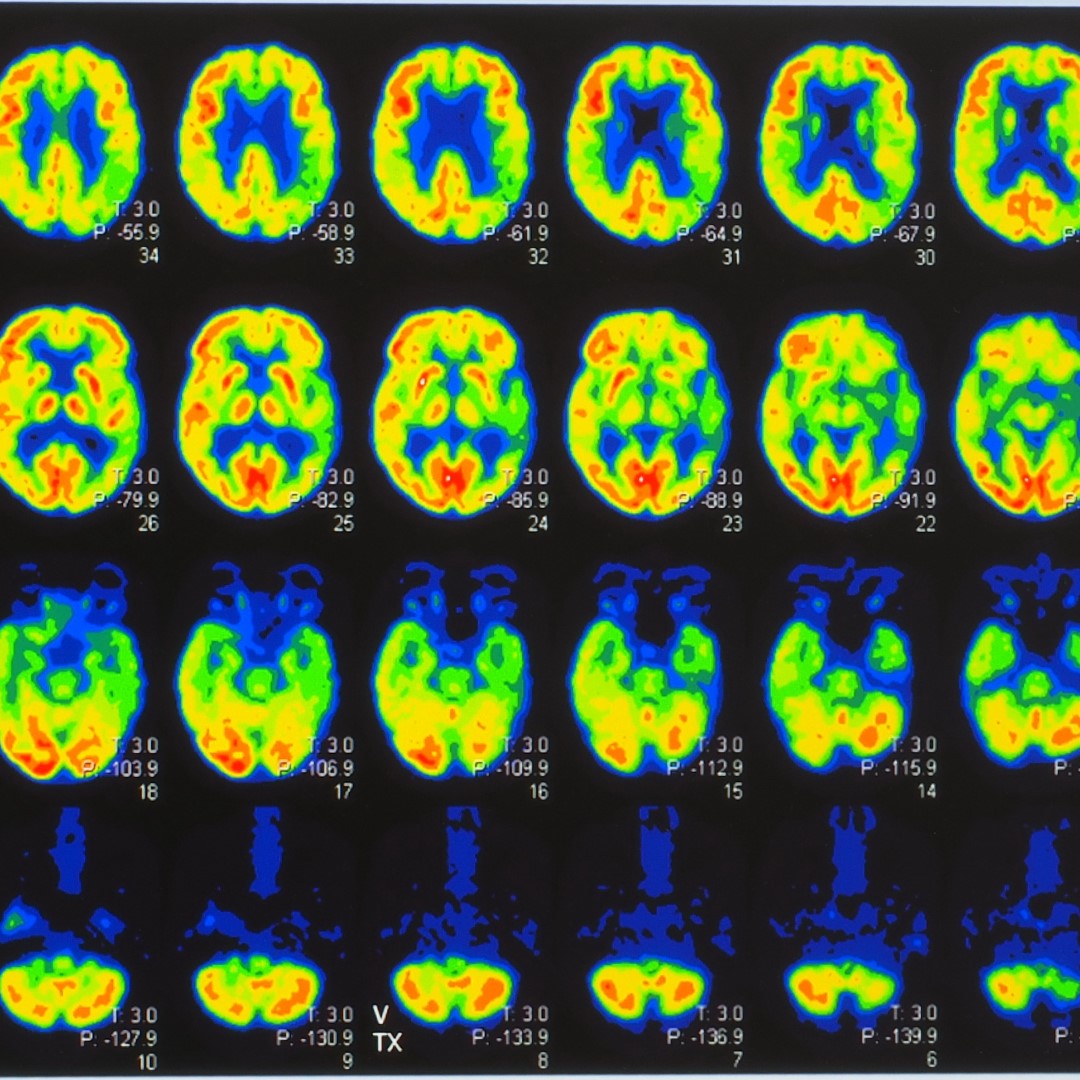
UC-Berkeley neuroscientists first used NMR to elucidate mental images
On Sept. 22, 2011, University of California, Berkeley neuroscientists, led by Jack Gallant, used functional Magnetic Resonance Imaging (fMRI) and computational models in decoding and reconstructing peopleメs dynamic visual experiences.
Using functional Magnetic Resonance Imaging (fMRI) and computational models, UC Berkeley researchers have succeeded in decoding and reconstructing people’s dynamic visual experiences – in this case, watching Hollywood movie trailers.
As yet, the technology can only reconstruct movie clips people have already viewed. However, the breakthrough paves the way for reproducing the movies inside our heads that no one else sees, such as dreams and memories, according to researchers.
“This is a major leap toward reconstructing internal imagery,” said Professor Jack Gallant, a UC Berkeley neuroscientist and coauthor of the study published online n the journal Current Biology. “We are opening a window into the movies in our minds.”
Eventually, practical applications of the technology could include a better understanding of what goes on in the minds of people who cannot communicate verbally, such as stroke victims, coma patients and people with neurodegenerative diseases.
It may also lay the groundwork for brain-machine interface so that people with cerebral palsy or paralysis, for example, can guide computers with their minds.
However, researchers point out that the technology is decades from allowing users to read others’ thoughts and intentions, as portrayed in such sci-fi classics as “Brainstorm,” in which scientists recorded a person’s sensations so that others could experience them.
Tags:
Source: University of California, Berkeley
Credit: