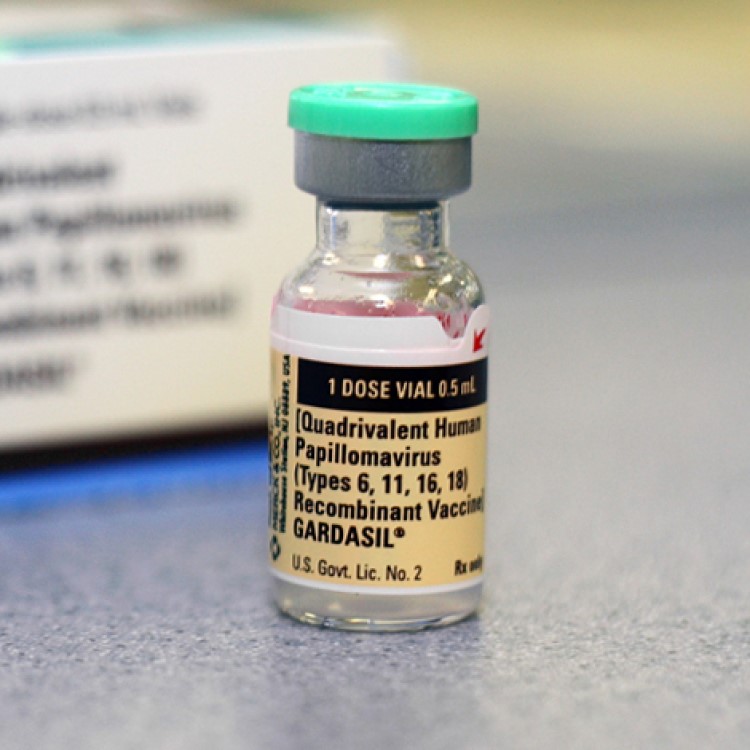
FDA approved new indication for gardasil to prevent genital warts in men and boys
On Oct. 16, 2009, the U.S. Food and Drug Administration (FDA) announced it had licensed quadrivalent human papillomavirus vaccine (HPV4; Gardasil, Merck & Co. Inc.) for use in males aged 9 through 26 years for prevention of genital warts caused by human papillomavirus (HPV) types 6 and 11.
HPV4 had been licensed previously for use in females aged 9 through 26 years for prevention of HPV 6, 11, 16, and 18-related outcomes (i.e., vaginal, vulvar, and cervical precancers and cancers and genital warts). The Advisory Committee on Immunization Practices (ACIP) recommends routine vaccination of females at age 11 or 12 years and catch-up vaccination for females aged 13 through 26 years.
On October 21, 2009, ACIP provided guidance that HPV4 may be given to males aged 9 through 26 years to reduce their likelihood of acquiring genital warts; ACIP does not recommend HPV4 for routine use among males. This report presents the ACIP policy statement and summarizes background data. Issues reviewed by ACIP included efficacy, immunogenicity, and safety of the HPV4 vaccine in males, epidemiology of HPV and burden of HPV-associated diseases and cancers in males, cost-effectiveness of male vaccination, and programmatic considerations.
HPV types 6 and 11 cause approximately 90% of genital warts and most cases of recurrent respiratory papillomatosis. Approximately 500,000 cases of genital warts are estimated to occur each year in the United States among sexually active men and women(2,3). Direct medical costs related to genital warts are estimated at $200 million per year (2,3); in addition,genital warts can have an adverse impact on quality of life (4). HPV-associated cancers in males include certain anal, penile, and oropharyngeal and oral cavity cancers caused primarily by HPV 16.
HPV4 has high efficacy for prevention of genital warts. The phase III efficacy study enrolled 4,065 males aged 16 through 26 years. Participants were enrolled from North America, South America, Europe, Australia, and Asia. The efficacy for prevention of genital warts related to HPV types 6, 11, 16, or 18 among males who received all 3 vaccine doses and were seronegative at day 1, and DNA negative day 1 through month 7 to the respective HPV type (per protocol population) was 89.4%; the efficacy for HPV 6 or 11-related genital warts alone was approximately the same.
The efficacy for prevention of HPV 6, 11, 16, or 18-related genital warts among males who received at least 1 vaccine dose and regardless of baseline DNA or serology (intent to treat population), was 67.2%, and the efficacy for prevention of genital warts related to any HPV type was 62.1% (Table) (5). No evidence of efficacy was observed among males who were infected with the respective HPV type at baseline. The median duration of follow-up at the time of the study’s interim analysis was approximately 2.3 years.
As observed previously with females, in the clinical trials for males, the most common adverse events were injection-site reactions, most of which were mild or moderate in intensity. Headache and fever were the most commonly reported systemic adverse reactions in both treatment groups. Postlicensure data in females indicate that HPV4 adverse events are similar to adverse events reported following administration of other vaccines to adolescents.
Tags:
Source: Centers for Disease Control and Prevention
Credit: